Creating a beautiful window box garden can transform your small space into a vibrant oasis. I made this post because I know how challenging it can be to fill those narrow, limited spots with plants that not only look good but also thrive. You may be craving ideas that are full, colorful, and bursting with life, and this guide is here to help you achieve just that.
If you’re passionate about gardening but live in an urban setting with limited space, this is definitely for you. Whether you’re a seasoned gardener or just starting, you care about making the most out of your window box. In this post, you’ll discover 10 expert window box planting ideas that are varied, practical, and will help create stunning decorative arrangements. You’ll learn how to mix plants for layered textures, choose seasonal flowers, and even grow your own herbs!
By the end of this article, you’ll have a treasure trove of tips and tricks to elevate your window box game, making it not just attractive but also a reflection of your personal style. Let’s dive in and transform those simple boxes into lush displays that bring your urban gardening dreams to life!
Key Takeaways
– Layered Textures: Discover how to mix different plants to create a visually appealing window box that offers depth and interest.
– Seasonal Splendor: Learn to change your window box arrangements with the seasons for year-round beauty.
– Edible Arrangements: Explore the idea of herb gardens in your window boxes, bringing fresh flavors right to your kitchen.
– Playful Color Schemes: Find out how to choose bold and bright color schemes that will make your window box a focal point.
– Low Maintenance Wonders: Get tips on selecting easy-care plants that require minimal upkeep, perfect for busy lifestyles.
1. Layered Textures: Mixing Plants
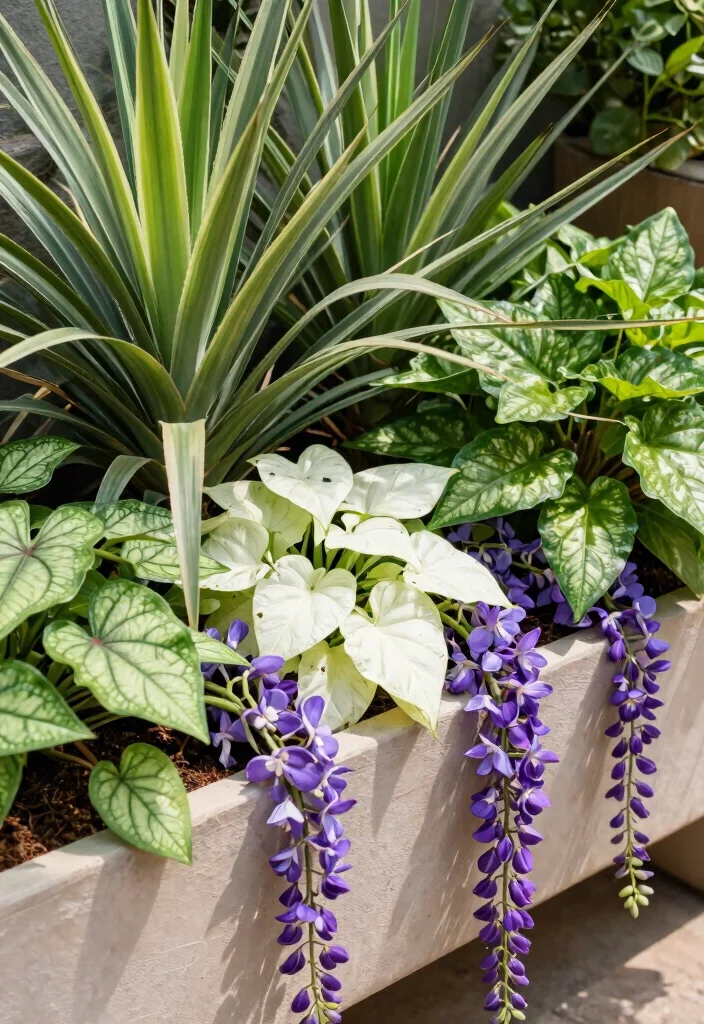
Creating a stunning window box involves mixing plants of various textures. Combining the sharp edges of spiky plants like dracaena with the soft, lush leaves of caladium not only adds visual interest but also creates a lively arrangement. This approach brings depth and character, making your window box a focal point of attraction.
Start by selecting a mix of plants that complement each other in height and texture. Incorporate tall plants for height, and let trailing varieties like lobelia gracefully spill over the edge. A harmonious color scheme, such as deep purples paired with whites, keeps the look cohesive and visually appealing.
Key tips for layering textures:
– Combine spiky and soft-leaved plants for contrast
– Choose tall varieties and trailing plants for dynamic height
– Use a consistent color palette for unity
This layered texture technique will elevate your window box into a captivating masterpiece that evolves with the seasons.
Layered Textures: Mixing Plants
Editor’s Choice




2. Seasonal Splendor: Changing with the Seasons
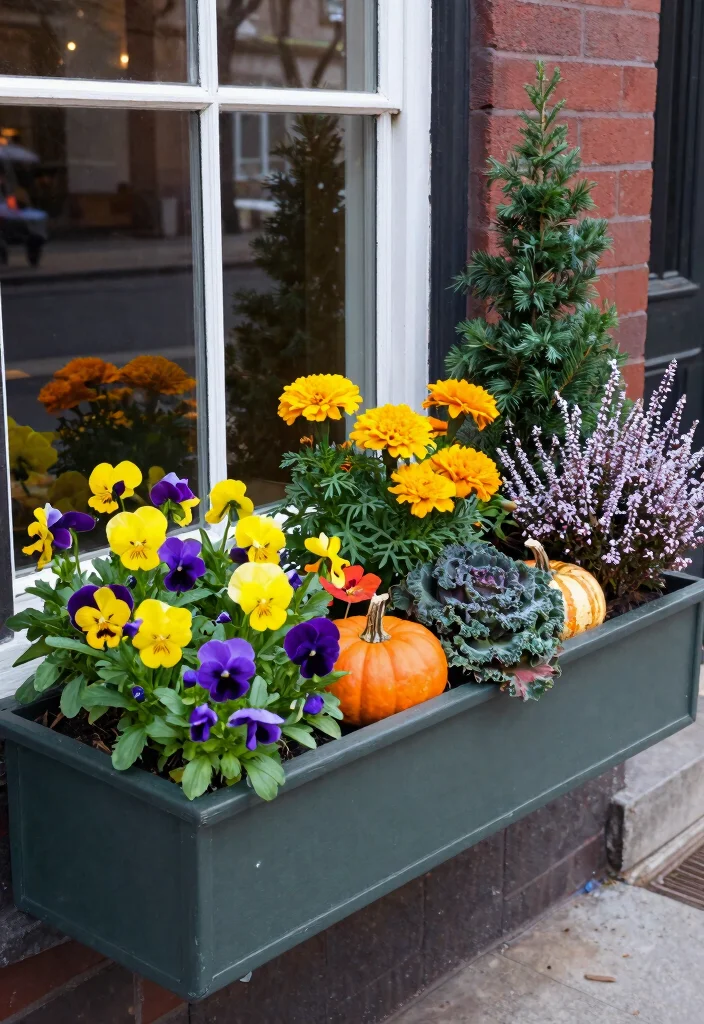
One of the joys of container gardening is the ability to refresh your plant selections with the seasons. Imagine your window box adorned with bright pansies in spring, followed by vibrant marigolds in summer. This seasonal rotation keeps your space looking fresh and inviting all year round.
Plan your planting schedule by using a seasonal calendar to guide your choices. Research what plants thrive in your local climate for the best results. In winter, consider evergreens and hardy blooms like heather that can endure frost, ensuring beauty even in colder months.
Strategies for seasonal planting:
– Use a seasonal calendar to plan your plant swaps
– Choose plants suited for your climate for success
– Rotate plants to express your creativity throughout the year
This dynamic approach ensures your window box remains a delightful visual treat, surprising everyone who passes by.
Did you know that a seasonal rotation can boost color in your window box planting ideas by up to 40%? Spring pansies, summer marigolds, and fall asters keep your urban garden vibrant all year. Plan with a simple calendar for maximum impact.
Seasonal Splendor: Changing with the Seasons
Editor’s Choice


3. Edible Arrangements: Herb Garden Delight
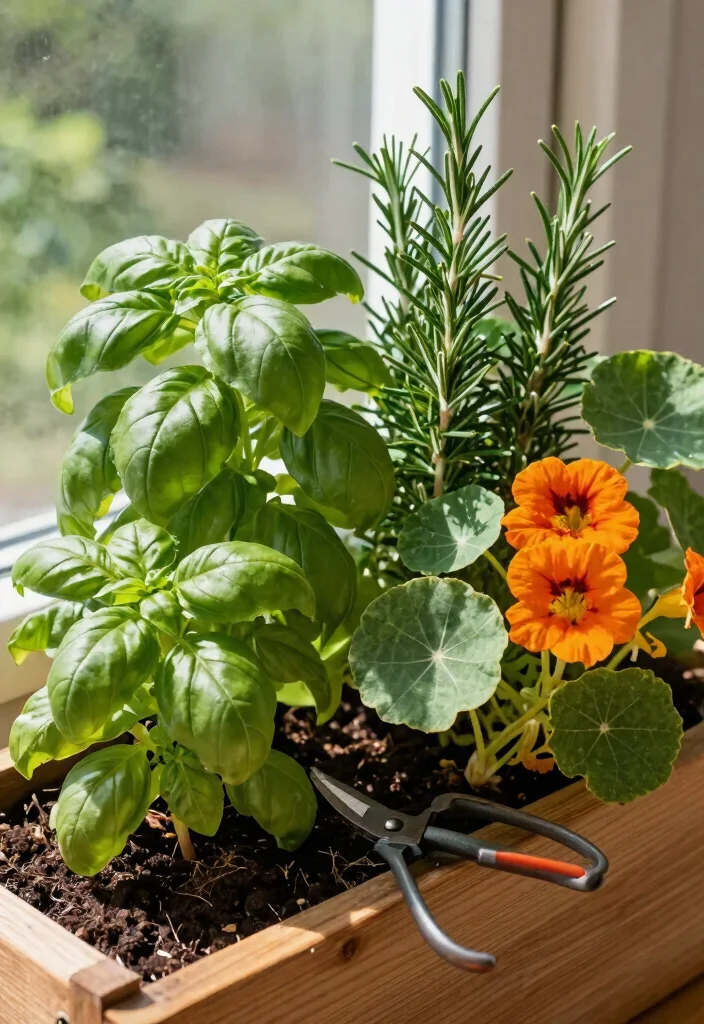
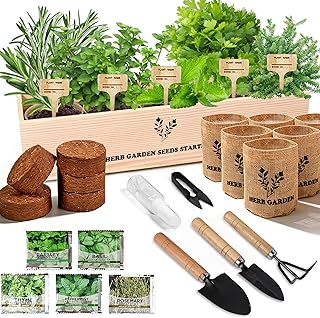
Imagine stepping outside to gather fresh herbs right from your window box! Planting an herb garden not only enhances your cooking but also adds beauty to your space. Think of aromatic herbs like basil, parsley, and rosemary that are easy to grow and delightful to use.
Pair your herbs with colorful edible flowers such as nasturtiums for an eye-catching display. This combination not only provides flavor but also attracts beneficial pollinators to your garden. Having fresh herbs at your fingertips encourages culinary creativity and healthy cooking habits.
Tips for crafting an edible window box:
– Choose easy-to-grow herbs for convenience
– Mix in edible flowers for a pop of color
– Harvest regularly to encourage growth and freshness
With an herb garden in your window box, you’ll enjoy both beauty and convenience, transforming your cooking experience.
Edible Arrangements: Herb Garden Delight
Editor’s Choice



4. Playful Color Schemes: Bold & Bright
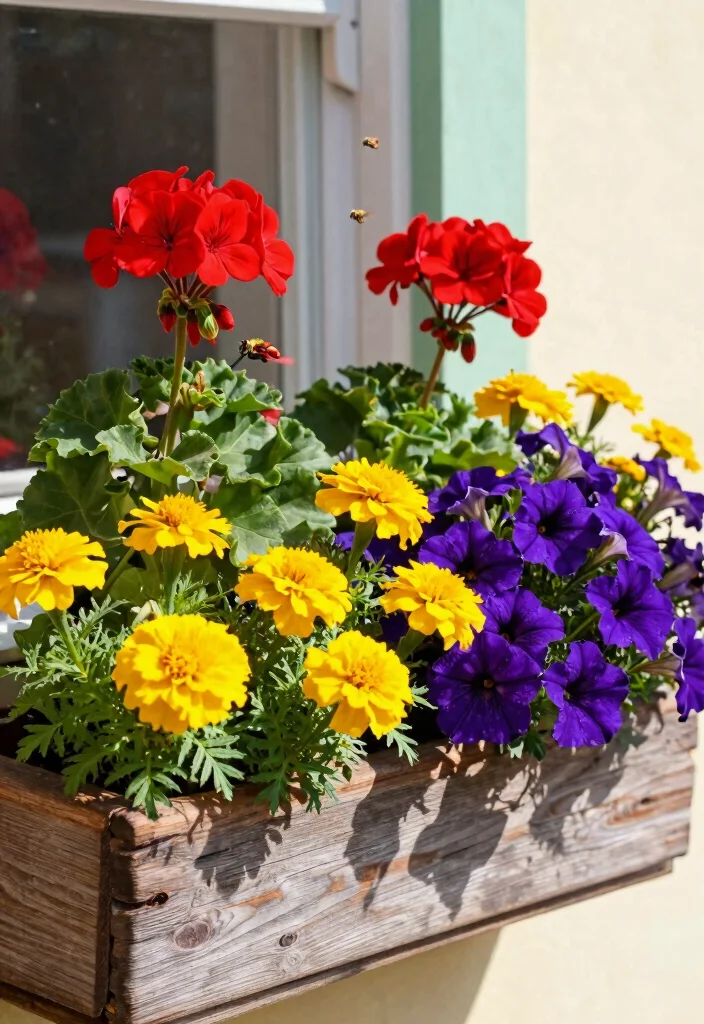
Don’t be afraid to splash some color into your window box! A vibrant color palette can energize your living space and bring joy to your surroundings. Consider bright blooms that contrast beautifully against your home’s exterior, creating a harmonious yet lively atmosphere.
Choose a theme that complements your style, such as pairing bold yellows with deep purples. Experiment with contrasting colors for a stunning effect, and remember, you can always switch your plants based on the season or your mood for fresh looks.
Ideas for creating playful color schemes:
– Match colors with your home’s exterior for harmony
– Use contrasting colors for a striking visual impact
– Change out plants to reflect the season or your style
By embracing bold colors, your window box can become a lively oasis that captures attention and brings joy to everyone who sees it.
Top Varieties for Different Conditions
1. Petunias
– Best conditions: Ideal for sunny spots in temperate climates.
– Key features: Petunias bloom profusely and come in a variety of vibrant colors. They are excellent for creating a cheerful, colorful display in your window box.
– Considerations: They need regular watering and may require deadheading to encourage more blooms.
2. Herbs (Basil, Thyme, and Chives)
– Best conditions: Thrives in warm, sunny areas, perfect for urban gardening where fresh ingredients are a delight.
– Key features: These herbs not only provide fresh flavors for your cooking but also offer a lovely green look. They can be used in a variety of dishes, enhancing your culinary experience.
– Considerations: Ensure they have well-drained soil and regular watering, especially during hot months.
3. Marigolds
– Best conditions: Great for sunny, humid environments, commonly found in continental climates.
– Key features: Marigolds are hardy, colorful flowers that repel insects, making them practical for garden health. Their bright hues can add warmth and charm to your window box.
– Considerations: They thrive in well-drained soil and need consistent watering without letting the soil dry out.
4. Succulents (Echeveria and Sedum)
– Best conditions: Perfect for hot, dry climates and low-maintenance gardening.
– Key features: Succulents store water in their leaves, making them ideal for busy urban gardeners. They come in various shapes and sizes, adding visual interest to your arrangement.
– Considerations: Make sure they have good drainage and avoid overwatering, as excess moisture can lead to root rot.
5. Fuchsia
– Best conditions: Works well in cooler, shaded areas, perfect for urban spaces with less sunlight.
– Key features: Fuchsia adds a unique cascading effect with its delicate, pendulous flowers. They are stunning in a window box and can attract hummingbirds to your garden.
– Considerations: Keep them well-watered and avoid direct sunlight, which can scorch their leaves.
6. Nasturtiums
– Best conditions: Thrives in sunny, cooler environments and is suitable for urban gardening.
– Key features: Nasturtiums are not only beautiful but also edible. Their vibrant blooms and leaves can be used in salads, adding flavor and color.
– Considerations: They can spread quickly, so be mindful of spacing and ensure they have room to grow.
7. Lavender
– Best conditions: Prefers sunny, dry conditions and well-drained soil, ideal for hot, dry climates.
– Key features: Lavender not only brings a lovely fragrance to your space but also attracts beneficial pollinators. Its gray-green foliage provides a beautiful contrast to other plants.
– Considerations: Requires minimal watering once established, but be cautious of overwatering in the early stages.
Climate/Condition Guide:
When choosing plants for your window box, consider your local climate.
– Temperate climates: Look for flowers and herbs that thrive in moderate temperatures and can handle some rainfall, like Petunias and Marigolds.
– Continental climates: Select hardy plants that can withstand temperature fluctuations, such as Nasturtiums and Fuchsia.
– Coastal conditions: Opt for salt-tolerant varieties like Succulents that can handle windy conditions.
– Hot/dry climates: Focus on drought-resistant plants like Lavender and Echeveria that don’t need much water.
– Humid environments: Choose plants that thrive in moisture, such as Basil and Thyme, which can also help with air quality.
Growing Tips:
– Ensure your window box has good drainage to prevent any root rot. Use a mix of potting soil and sand for better aeration.
– Regularly check moisture levels. Different plants have different needs, so be mindful of their requirements.
– Rotate your plants seasonally to keep your window box looking fresh and vibrant throughout the year.
Avoid:
– Overwatering, as it can lead to root rot in many plants, especially Succulents and Lavender.
– Crowding your window box with too many plants. Give each plant enough space to grow without competing for resources.
5. Low Maintenance Wonders: Easy-Care Plants
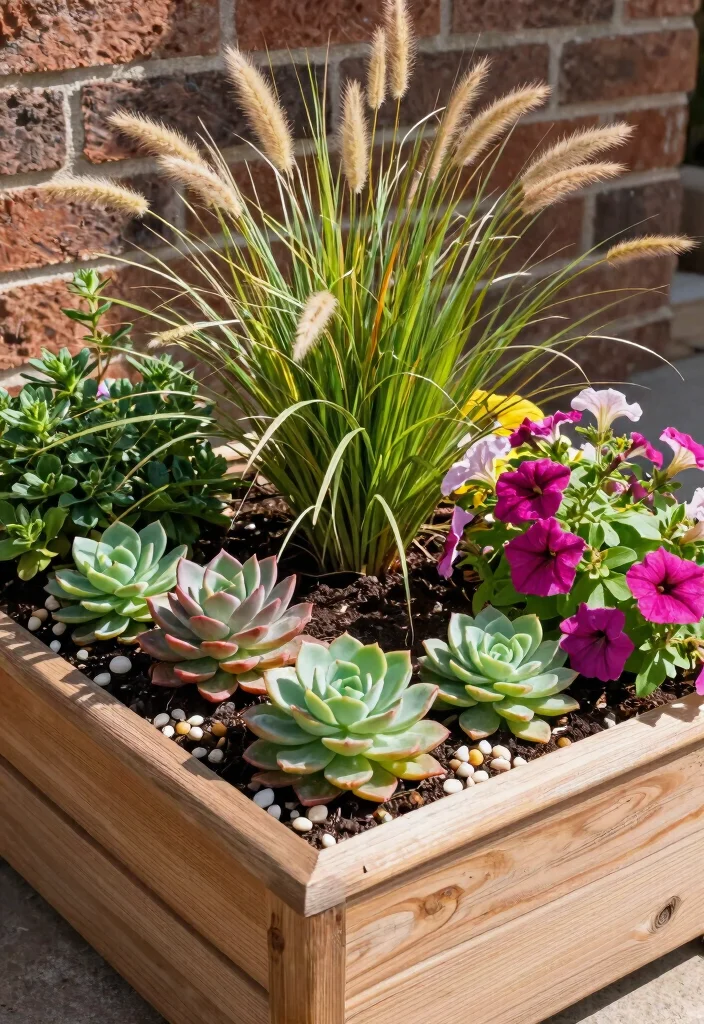
If you love a lush look but want to keep it simple, opt for low-maintenance plants. These resilient beauties thrive with minimal care, giving you beautiful blooms without the hassle. Consider incorporating succulents, ornamental grasses, and sedums that flourish with little water and attention.
Mix these easy-care plants with hardy annuals like petunias for a fuller appearance. Group plants with similar watering needs to simplify maintenance and ensure they thrive together. This approach makes your window box beautiful and easy to manage.
Steps to create a low-maintenance window box:
– Select resilient plants that require minimal care
– Combine with hardy annuals for fullness
– Group plants with similar watering requirements
With easy-care plants, you can achieve an attractive window box that enhances your space without demanding too much of your time.
6. Vertical Vibes: Use Height to Your Advantage
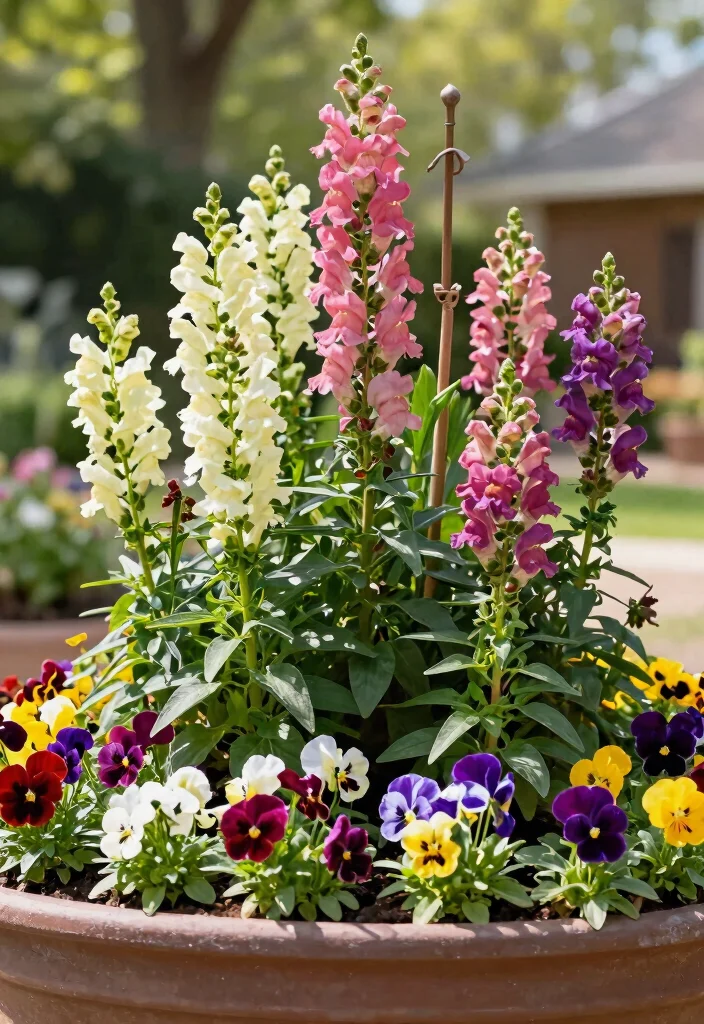
Adding vertical elements to your window box can create stunning dimension and make a bold statement, especially in small spaces. Incorporating tall plants like snapdragons or delphiniums draws the eye upward, making your arrangement stand out.
Consider a tiered planting system that allows for better sunlight exposure and visual separation of your plants. Adding stakes for support can help maintain a neat appearance while showcasing your beautiful plants.
Tips for maximizing vertical space:
– Use tall plants to create height and interest
– Implement tiered planting for sunlight access
– Add stakes to support taller plants and keep them tidy
This vertical gardening approach can transform your window box into an exciting display that showcases your love for gardening.
Fun fact: A tiered window box can boost sunlight exposure by up to 30% for tall plants like delphiniums and snapdragons. Use this height trick to turn your window box planting ideas into a dramatic, vertical display.
Vertical Vibes: Use Height to Your Advantage
Editor’s Choice


7. Decorative Accents: Personal Touches
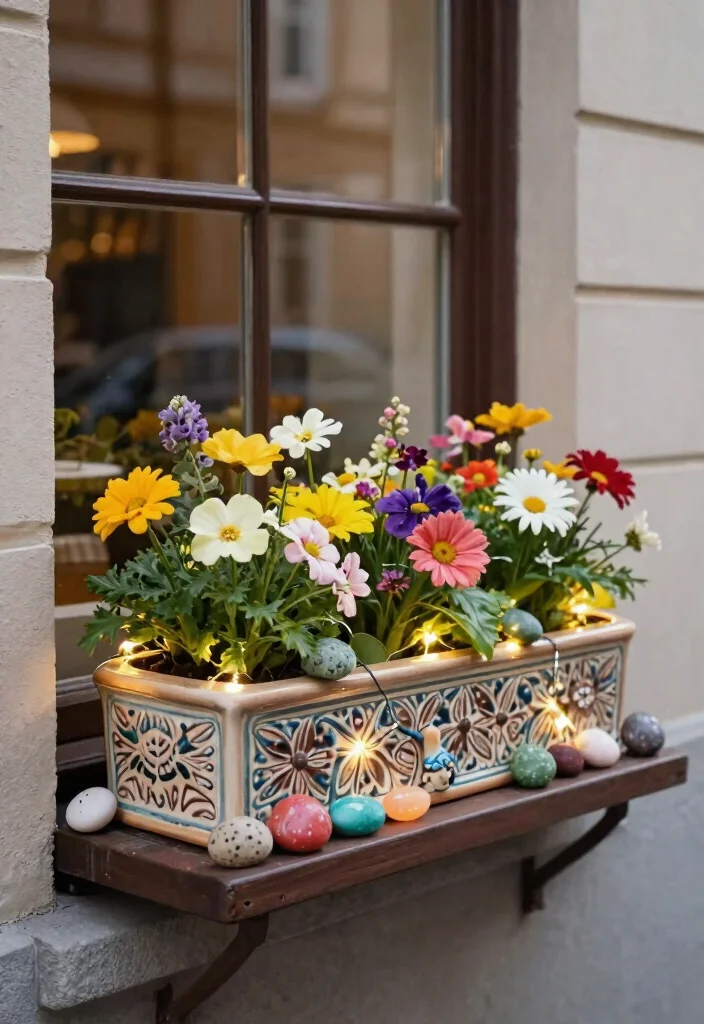
Infuse your personality into your window box by adding decorative accents that reflect your style. Small details can transform a simple arrangement into a unique showcase. Consider using decorative stones, charming sculptures, or twinkling fairy lights to create a captivating display.
Choose stylish containers made from interesting materials like metal or ceramic to enhance the visual appeal. Colorful plant labels or garden markers can provide organization while complementing your home’s aesthetic.
Ways to personalize your window box:
– Incorporate decorative stones or sculptures for charm
– Select unique containers to add flair
– Use colorful labels that match your home’s style
These small personal touches will elevate your window box, making it a delightful conversation piece for your neighborhood.
Fun fact: A well-styled window box with decorative accents can look up to 30% fuller in just one season. Mix metal or ceramic containers, tiny sculptures, and fairy lights to elevate texture, then add colorful garden markers for a tidy, personal touch.
8. Companion Planting: Nature’s Way
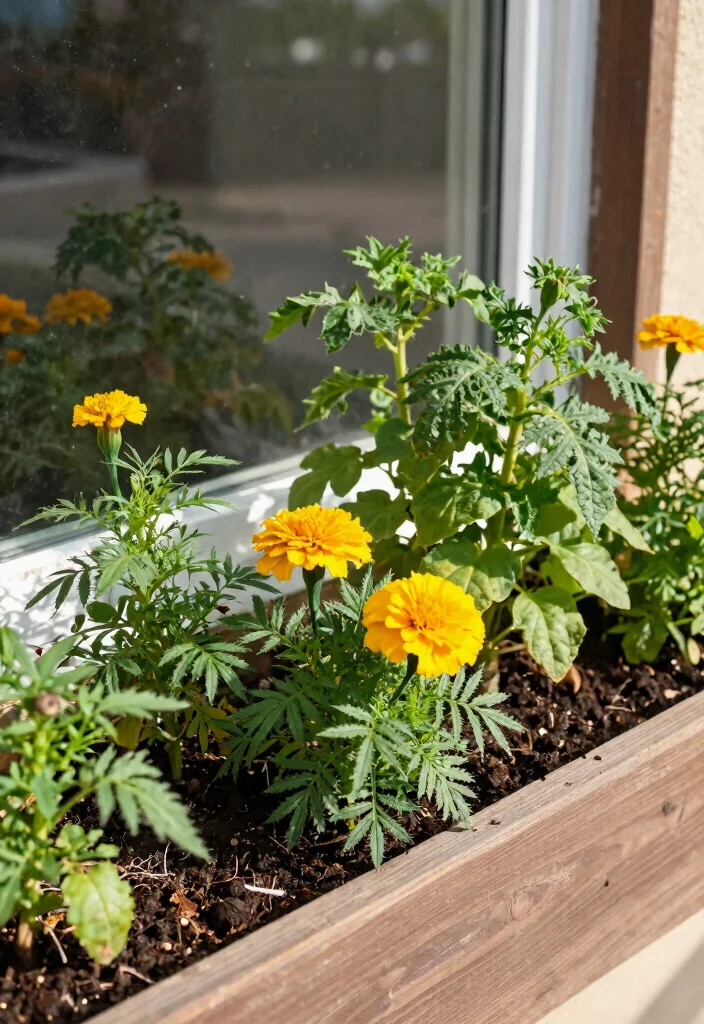
Companion planting can work wonders in window boxes too! Certain plants thrive together, enhancing growth and helping to repel pests. For example, pairing marigolds with tomatoes not only adds vibrant color but also offers natural pest control.
Consider combining herbs like basil with tomatoes to create a harmonious duo that benefits both plants. Ensure taller plants provide shade for shorter varieties, promoting healthier growth overall.
Companion planting strategies:
– Pair marigolds with tomatoes for color and pest control
– Combine herbs with vegetables for mutual benefits
– Place taller plants strategically to protect shorter ones
This natural approach optimizes your window box’s health, resulting in a flourishing and visually appealing arrangement.
9. Eco-Friendly Choices: Native Plants
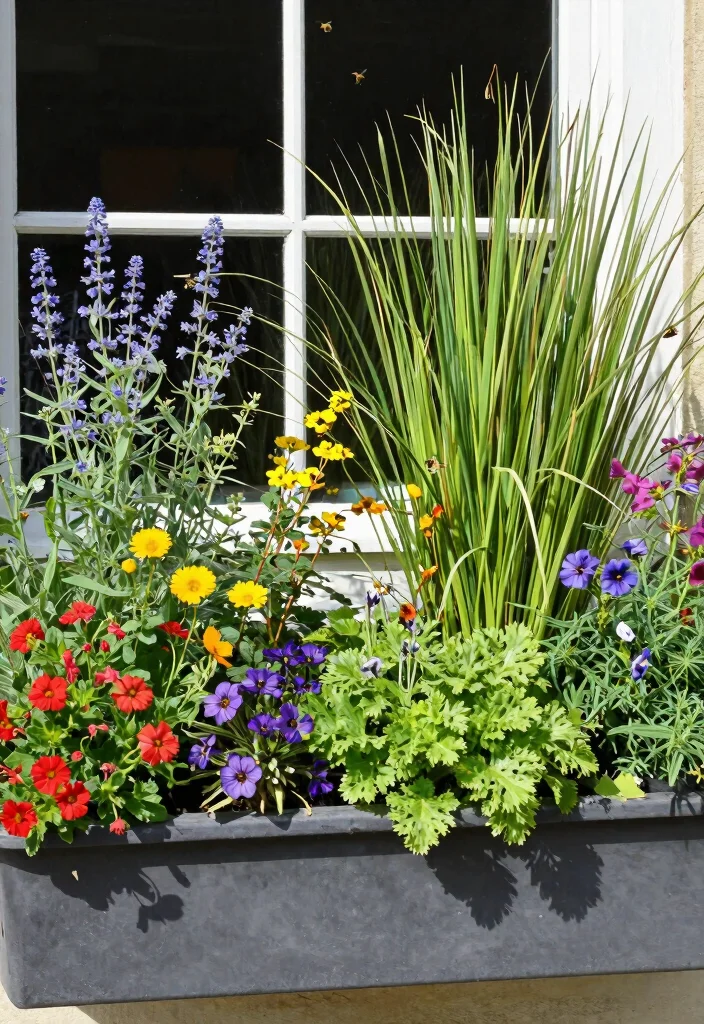
Selecting native plants for your window box is not only eco-friendly but also low maintenance. These plants are adapted to your local climate, requiring less water and care while supporting local ecosystems. Researching local flora can help you choose the best native species for a sustainable arrangement.
Incorporate a variety of native plants to attract beneficial pollinators and wildlife, enhancing biodiversity in your garden. Many native species offer beautiful blooms throughout the year, enriching your view regardless of the season.
How to create an eco-friendly window box:
– Research native plants that thrive in your area
– Include diverse species to support local wildlife
– Choose plants that bloom in different seasons for year-round beauty
By embracing native plants, your window box can be a beautiful and beneficial addition to your environment.
Eco-Friendly Choices: Native Plants
Editor’s Choice


10. Monochromatic Magic: Shades of One Color
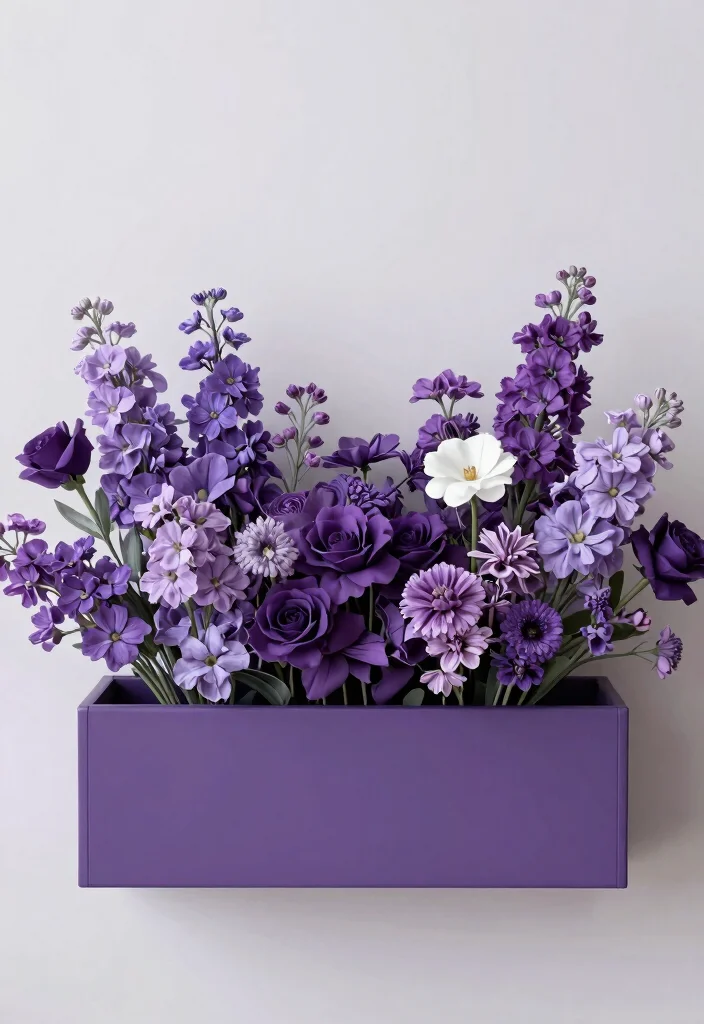
For an elegant and sophisticated look, consider a monochromatic color scheme using varying shades of a single color. This trend creates a cohesive design that is visually pleasing and stylish. Whether you prefer calming blues or passionate reds, choose a color that resonates with your personal style.
Mix different plants with varying textures within the same color palette to keep your arrangement interesting. You can also add a single standout plant in a contrasting color for a modern twist that captures attention.
Creating a monochromatic window box involves:
– Selecting a color that reflects your personal taste
– Mixing plants with different textures for variety
– Adding a contrasting plant for a unique focal point
This approach can transform your window box into a chic statement piece that captivates and delights.
Conclusion
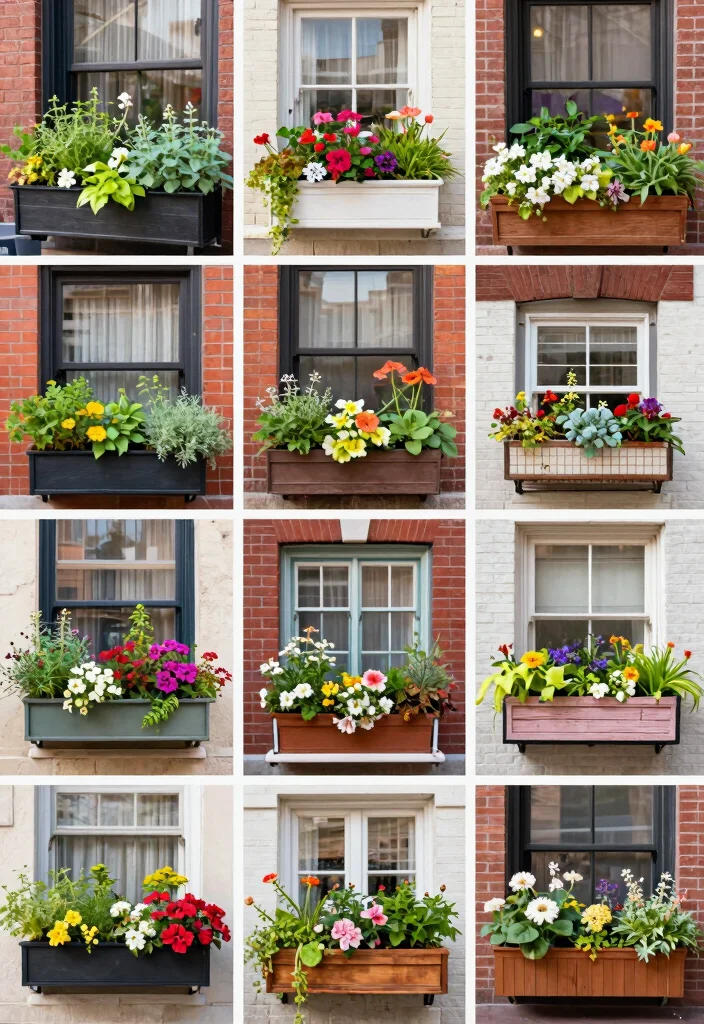
Creating a vibrant window box can completely enhance your urban space, bringing beauty and life to even the smallest areas.
Whether you’re experimenting with colors, adding edible plants, or incorporating sustainable options, your choices can transform your window box into a lively focal point.
Have fun with your selections, and let your personality shine through your plant arrangements!
Note: We aim to provide accurate product links, but some may occasionally expire or become unavailable. If this happens, please search directly on Amazon for the product or a suitable alternative.
This post contains Amazon affiliate links, meaning we may earn a small commission if you purchase through our links, at no extra cost to you.
Frequently Asked Questions
What are effective window box planting ideas to achieve a full look in a small urban space?
To get a lush, full look in a small urban window box, plan like a tiny garden bed. Start with a tall thriller for height (e.g., salvia, geranium, or ornamental grass), add mid-height fillers (petunias, calibrachoa, or coleus), and finish with trailing spillers along the edges. Pick a cohesive color palette and mix textures for depth. Use a quality container mix with good drainage, and water regularly, especially in heat. In tight spaces, place two or three matching boxes along the sill for a continuous, lush edge. A classic thriller–filler–spiller approach helps you achieve window box planting ideas, container gardening, and small space gardening in action.
Which window box flowers and plants work best for small-space urban gardening?
Sunny windows respond best to bright annuals like window box flowers such as petunias and calibrachoa, plus a bold climber or vine for drama. For shade, try coleus, caladiums, and begonias. In small spaces, choose 4–6 plants in an 18–24 inch box, mix different textures, and keep a clear thriller/filler/spiller pattern. Use well-draining potting mix, water consistently, and feed every 2–4 weeks with a balanced fertilizer. These combos align with urban gardening tips and small space gardening while keeping your boxes vibrant year-round.
How can I create decorative plant arrangements in a window box that looks full from the street?
Create decorative plant arrangements by using the thriller/filler/spiller concept. Place a focal thriller at one end or in the center for visual anchor, surround with a few mid-height fillers, and finish with trailing spillers that drape over the box edges. Keep a unifying color scheme and repeat plant groupings along the row for rhythm. Include evergreen fillers for year-round structure, and choose compact varieties that are easy to care for. This approach helps your window box look full from the street and reads as cohesive decorative plant arrangements.
What are practical tips for maintaining window boxes in apartments with limited sun, wind, or drought?
Maintenance tips for apartments with limited sun, wind, or drought: first match plants to light conditions (sun-loving for bright spots, shade-tolerant for left corners). Use self-watering containers or a tray system to prevent drying out, and top with mulch to conserve moisture. Water in the morning, check drainage, and avoid overwatering in cooler weather. Add wind protection (a barrier or heavier pots) and place higher plants where wind hits less. Fertilize every 4–6 weeks during the growing season, and rotate out fading blossoms for continuous color. These are practical urban gardening tips to keep window boxes thriving with minimal effort.
How do I choose the right window box container and placement to maximize growth and aesthetics?
Choosing the right window box container and placement matters as much as the plants. Look for a box with adequate depth (about 6–8 inches or more for most annuals), drainage holes, and sturdy brackets. Consider the weight of the box material when filled, and pick a color and style that complements your exterior. For placement, face south or west for sunny bloom, or choose shade-friendly setups if you’re north-facing. Ensure secure mounting on railings or walls, and allow space behind for airflow. Pair your container choice with a thoughtful layout to maximize growth and curb appeal, delivering strong window box planting ideas and eye-catching decorative plant arrangements in urban settings.