The beauty of gardening doesn’t have to be lost in the hustle and bustle of urban living. If you’ve been craving a touch of greenery in your home but are short on space and time, you’re not alone. Many city dwellers are seeking ways to incorporate plants into their lives without the hassle of extensive upkeep. That’s why I created this post— to share modern and stylish succulent window box ideas that are as low maintenance as they are charming.
If you’re someone who loves to bring nature indoors, or if you just want to spruce up your windows with some artistic flair, this guide is for you. Whether you’re a novice gardener or a seasoned green thumb, you’ll find inspiration that fits your style and your schedule. I gathered 11 succulent window box ideas that are trendy, practical, and perfect for small spaces.
By the end of this post, you’ll be equipped with creative designs and essential succulent care tips that will not only beautify your home but also save you time and effort. Let’s dive into these delightful ideas that promise to make your windows shine!
Key Takeaways
– Discover 11 modern succulent window box ideas that are perfect for small urban spaces, ensuring you can enjoy greenery without sacrificing precious room.
– Learn how to select drought-resistant plants that thrive in window boxes, allowing for low maintenance and minimal worry about watering.
– Explore unique designs, including minimalist wooden boxes and vintage metal tins, to match your home décor while adding a touch of nature.
– Gain practical tips on succulent care that will help your plants flourish even in limited light and space, ensuring they remain healthy with little effort.
– Find out how to personalize your window box with seasonal themes and bold color combos, making it a statement piece in your urban home.
1. Minimalist Wooden Box
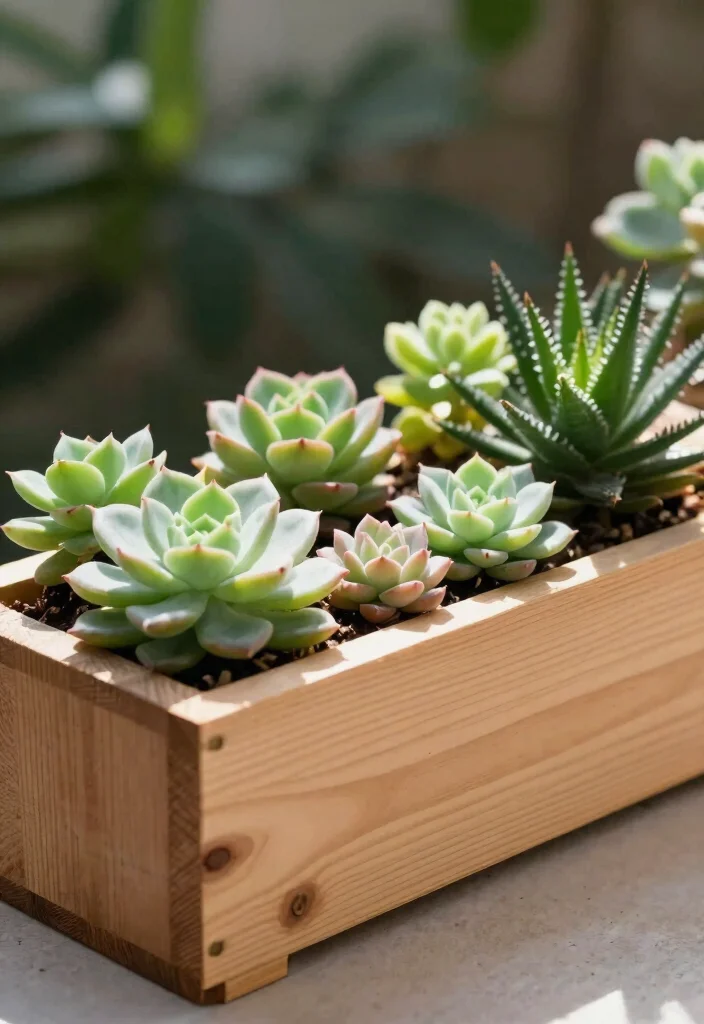
Imagine a sleek, minimalist wooden window box that beautifully showcases your vibrant succulents. This natural design not only complements the lush greens and striking colors of your plants but also creates an inviting atmosphere. Utilizing untreated wood adds a raw, organic feel, allowing the succulents to shine as the main attraction. Mix different succulent varieties like Echeveria, Haworthia, and Sedum for a delightful visual contrast that captures attention.
To get started, ensure your wooden box has proper drainage by drilling holes in the bottom. Pair this with a high-quality, well-draining potting mix for optimal growth. You can also experiment with various shapes and sizes of succulents to enhance the overall look.
Key steps for a stunning setup:
– Choose a location with at least 6 hours of sunlight daily.
– Water sparingly, allowing the soil to dry out completely before the next watering.
– Rotate your plants regularly for even growth.
This minimalist approach allows your succulents to take center stage while adding a touch of nature to your space.
Minimalist wooden boxes turn small spaces into green havens. Use untreated wood, mix Echeveria, Haworthia, and Sedum, and your succulent window box ideas become a bright, low-maintenance statement.
2. Vintage Metal Tins
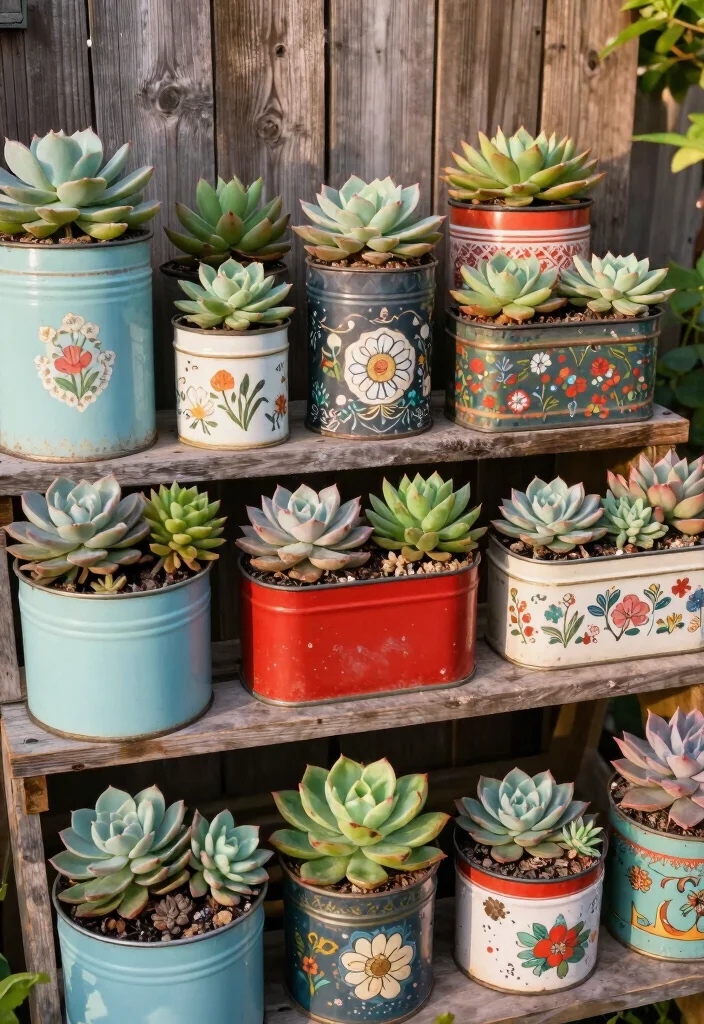
Add a charming, vintage twist to your window box by repurposing old metal tins. From retro coffee cans to colorful paint buckets, these unique containers bring a rustic flair to any space. Their variety in shapes and sizes creates an eclectic and interesting display, perfect for showcasing various succulent types. Consider filling them with low-maintenance succulents like Jade plants and Aloe Vera for a delightful visual treat.
Start by choosing metal tins that are clean and free from rust. It’s also wise to line the inside with landscape fabric to protect your plants and improve drainage. This setup not only saves resources but also adds character to your garden.
Helpful tips for using metal tins:
– Ensure they have drainage holes to prevent water buildup.
– Arrange the tins at different heights for a layered look.
– Paint or embellish the tins for a personal touch.
This vintage style adds personality to your garden while keeping your succulents thriving.
3. Vertical Garden Box
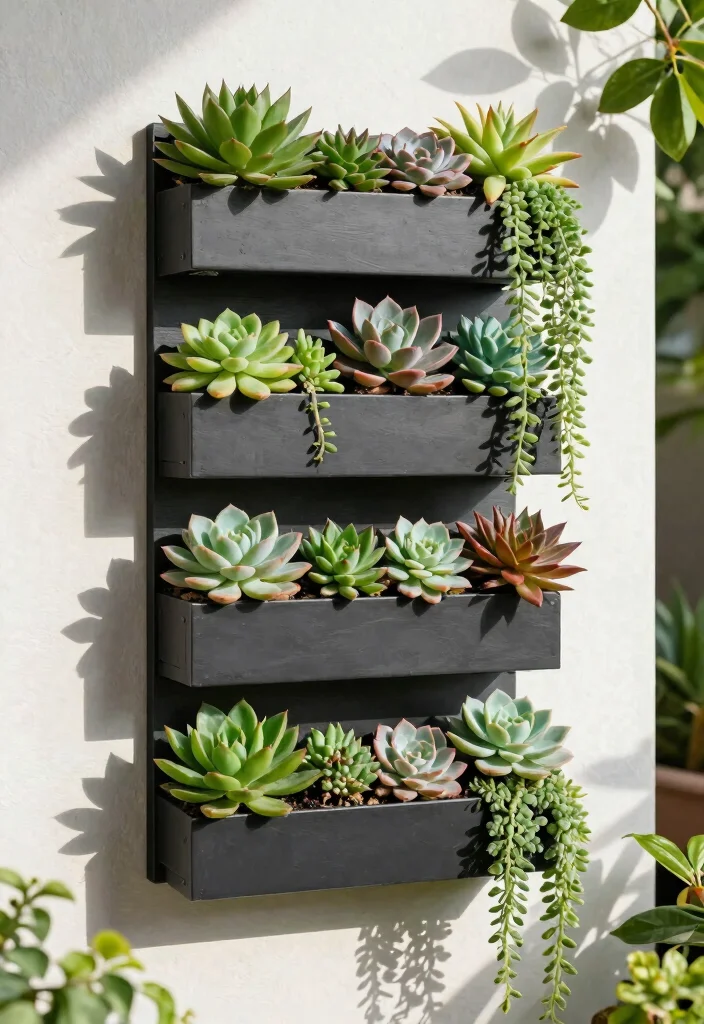
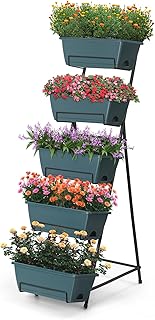
Transform your space with a vertical garden box that allows you to display multiple succulents in a compact design. Perfect for small areas, these boxes can be mounted on walls or placed on window sills, making them ideal for urban living. Opt for a tiered design to create a cascading effect, incorporating trailing succulents like String of Pearls for added visual depth.
Ensure your vertical box has proper drainage to avoid overwatering issues, which can harm your plants. You can also mix in different succulent varieties to create a rich tapestry of colors and textures.
Here’s how to set up your vertical garden:
– Use contrasting colors for a vibrant display.
– Consider a monochrome palette for a sleek look.
– Add a drip tray at the base to catch excess water.
This design maximizes your space while creating a stunning, lush display.
Vertical Garden Box
Editor’s Choice





4. Terracotta Charm
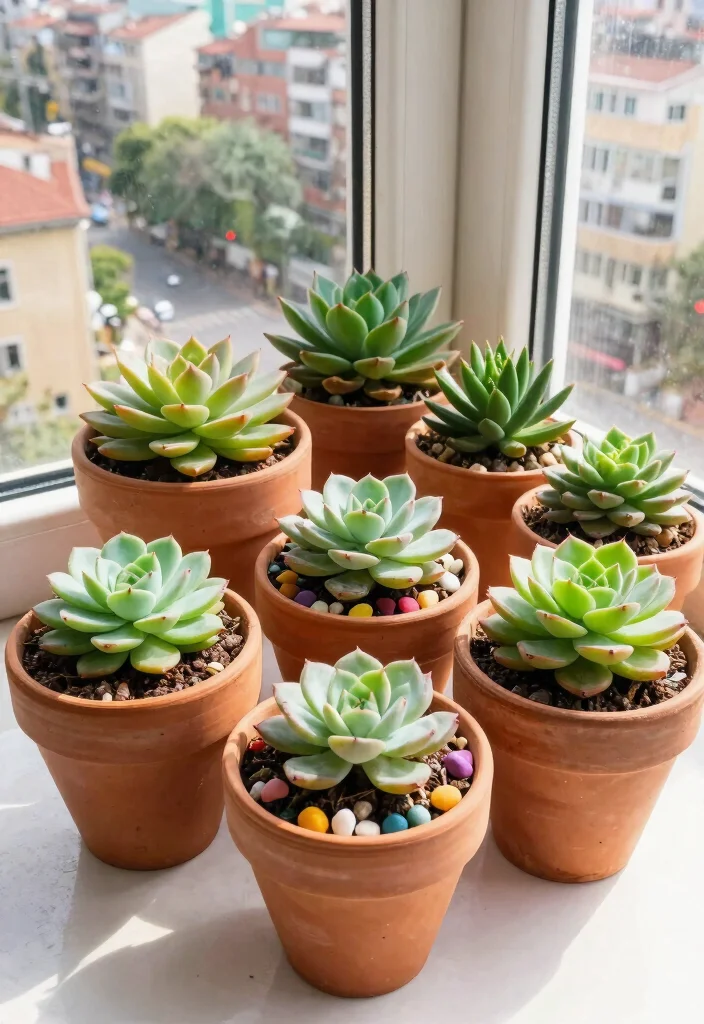
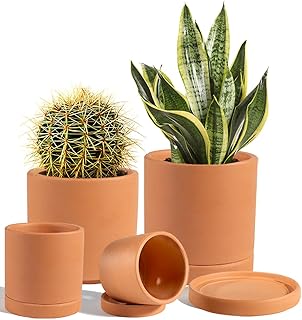
Terracotta pots offer a classic and timeless choice for succulent window boxes, providing excellent drainage and a rustic charm. By using various sizes of terracotta pots, you can craft an appealing arrangement that highlights larger focal plants alongside smaller accents. Consider pairing succulents like Sempervivum or Agave for a striking combination that thrives in these pots.
Monitor your succulents closely, as terracotta absorbs moisture. Check the soil dryness regularly before watering to prevent issues. Mixing in colorful pebbles or sand on top of the soil can enhance the visual appeal, too.
Tips for arranging your terracotta pots:
– Group pots together for a fuller appearance while allowing air circulation.
– Vary pot sizes for added interest.
– Use decorative trays or saucers for extra flair.
This arrangement not only looks beautiful but also promotes healthy growth for your succulents.
Fun fact: Terracotta pots wick moisture and dry out 1–2 days faster than glazed pots, helping you spot when to water. In sunny window boxes, your succulents—like Sempervivum and Agave—thrive with proper drainage, while the rustic charm stays timeless.
Terracotta Charm
Editor’s Choice


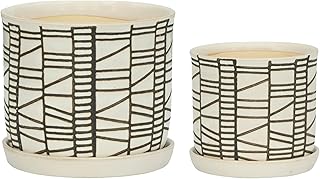
5. Colorful Ceramic Bowls
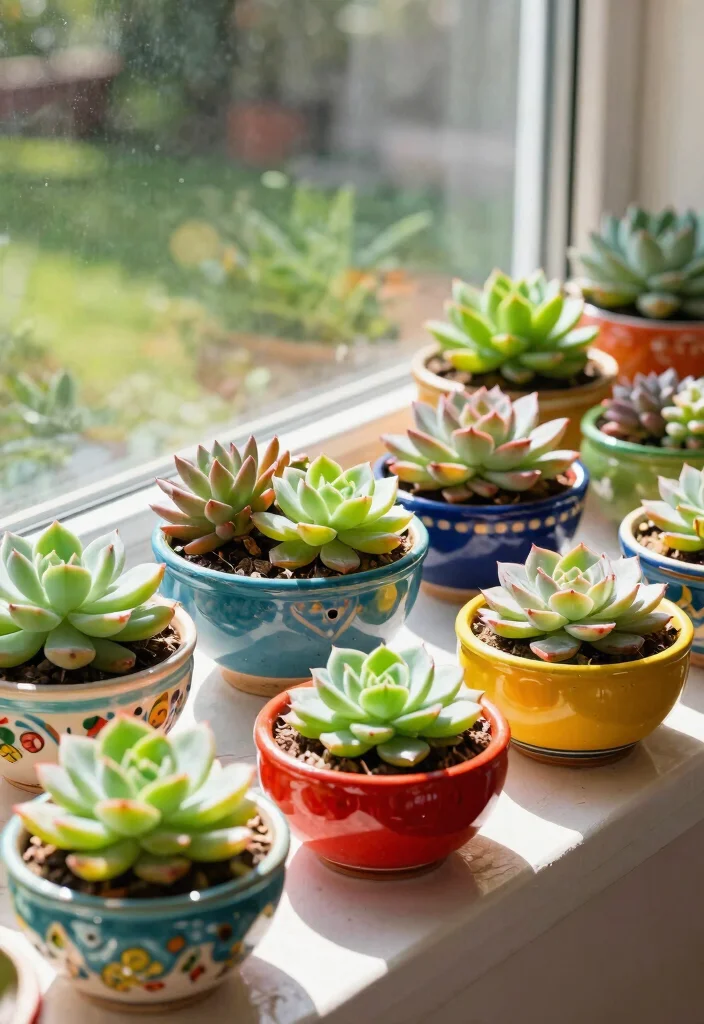
Bright and cheerful ceramic bowls can add a playful and artistic touch to your window box designs. With a variety of patterns and colors available, these bowls are perfect for showcasing your favorite succulents like Zebra plants or Echeveria. Their vibrant appearance brings personality to any space, making it feel lively and inviting.
Ensure your ceramic bowls have drainage holes or use them as cachepots over plastic pots to effectively manage water. This method allows you to enjoy the beauty without worrying about overwatering your plants.
Creative ideas for using ceramic bowls:
– Group bowls of different sizes and colors for a fun, eclectic display.
– Choose a color theme, like coastal or earthy tones, for a cohesive look.
– Add decorative stones or sand for texture and visual interest.
This approach not only beautifies your space but also showcases the uniqueness of each succulent.
6. Hanging Window Box
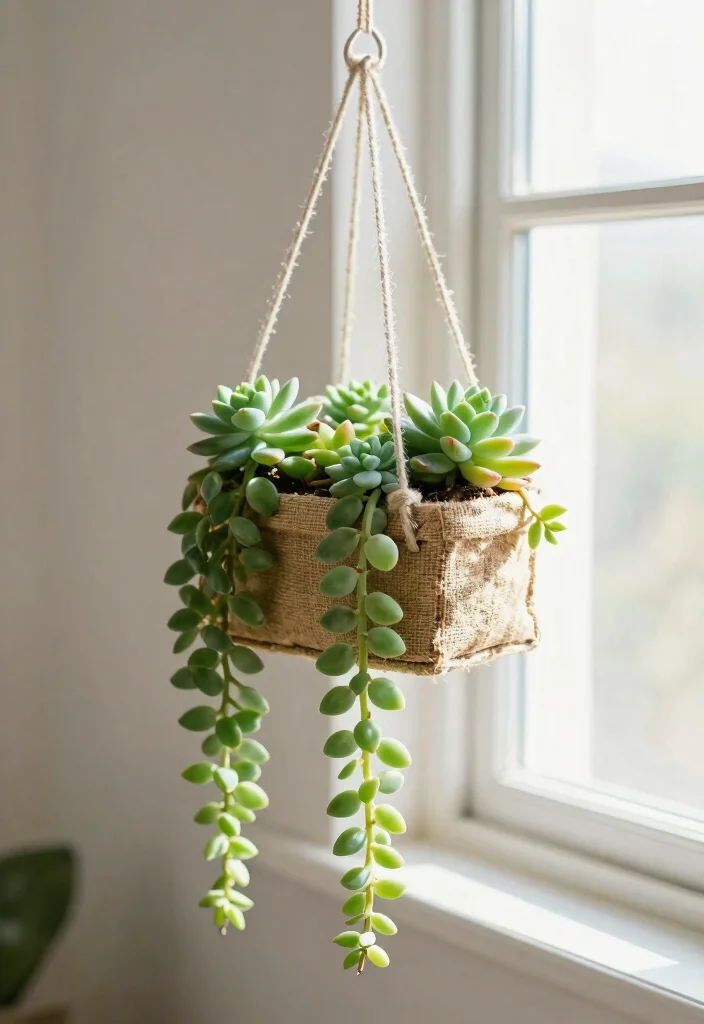
Introduce a dynamic element to your indoor garden with hanging window boxes that catch the eye. These boxes can be suspended from railings or hooks, allowing succulents to cascade down beautifully. Incorporate climbing varieties like Rhipsalis or trailing Sedum for a striking display that draws attention.
Make sure your hanging box is securely fastened and positioned to receive adequate sunlight while being sheltered from harsh winds. This ensures your plants thrive in their new home.
Style suggestions for hanging window boxes:
– Opt for lightweight materials for easy installation.
– Pair with string lights to create a charming evening glow.
– Use colorful pots to enhance visual appeal.
This setup not only beautifies your space but also adds height and interest to your garden.
Hanging Window Box
Editor’s Choice


7. Geometric Planters
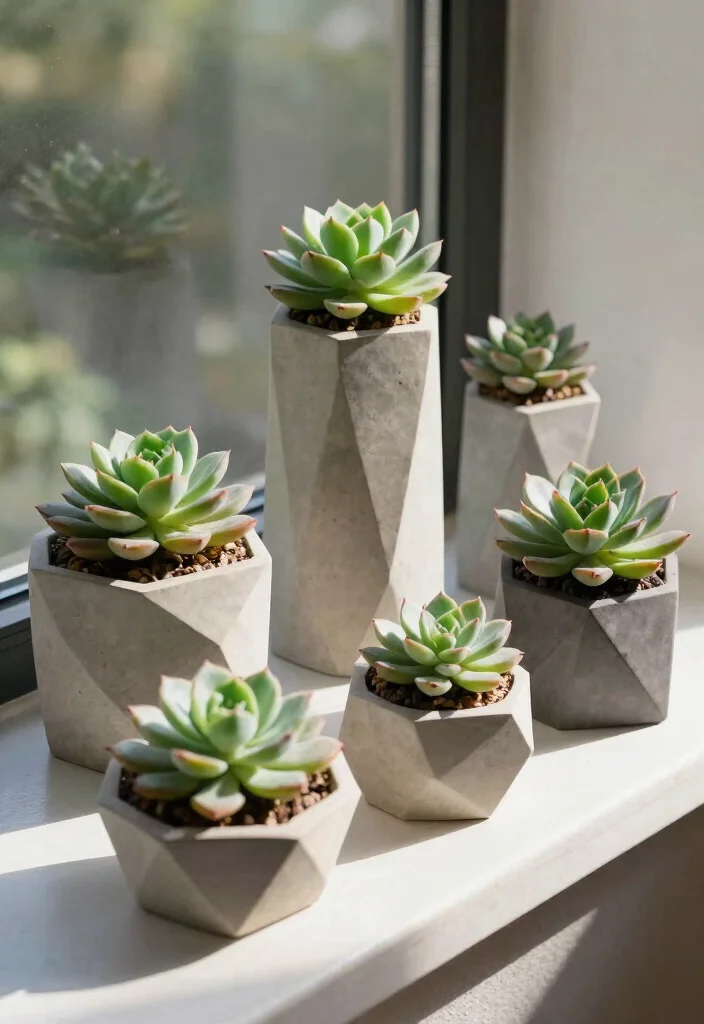
Elevate your succulent window box design with modern geometric planters that make a statement. Available in shapes like hexagons and pyramids, these planters add visual intrigue while showcasing your favorite succulents. Varieties such as Aloe and Haworthia stand out beautifully against the unique forms of these containers.
When using geometric planters, ensure they have drainage options or add a layer of rocks at the bottom. This promotes healthy growth and prevents water buildup.
Design ideas for your geometric planters:
– Mix and match different shapes for an artistic arrangement.
– Use a monochromatic palette for a sleek, modern vibe.
– Incorporate vibrant colors for a playful touch.
This contemporary approach not only enhances your decor but also showcases the beauty of your succulents.
Geometric Planters
Editor’s Choice



8. Upcycled Crafts
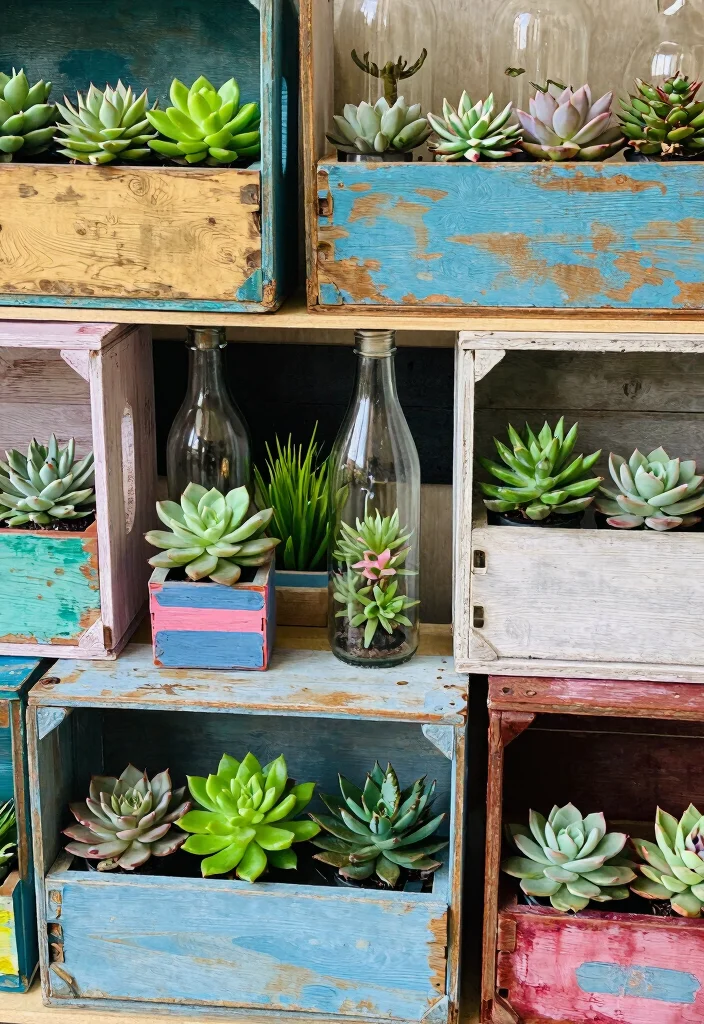
Explore your creativity with DIY succulent window boxes using upcycled materials. Items like old wooden crates, shoe organizers, or even glass bottles can be transformed into stunning plant holders. This eco-friendly approach reduces waste while adding a personal touch to your decor. Choose succulents that thrive in similar conditions for a harmonious and beautiful display.
When crafting your upcycled containers, ensure proper drainage by adding gravel or creating holes where necessary. This will help your plants flourish.
Fun ideas for upcycled crafts:
– Decorate your containers with paint or stencils for added flair.
– Use water-retaining crystals in the soil for easier care.
– Arrange plants creatively to maximize visual interest.
This method not only encourages sustainability but also allows for endless creativity in your gardening.
Did you know that upcycled containers can reduce planting costs by up to 40% for succulent window box ideas? Transform old crates, shoe organizers, or glass bottles into sturdy planters—great for small spaces. Pro tip: add drainage gravel before planting for healthier succulents.
Ongoing Maintenance & Care Guide
Maintenance Schedule:
Daily/Weekly Tasks:
– Check Moisture Levels: Look at the soil to see if it’s dry. Stick your finger about an inch deep. If it feels dry, it’s time to water. This task takes about 5 minutes.
– Dust Leaves: Wipe dust off the leaves gently with a damp cloth. This helps the plants absorb sunlight better. Expect to spend around 10 minutes on this task.
– Rotate Planters: Turn your window box every week to ensure even light exposure. This helps all sides of the succulents grow evenly. This task takes about 5 minutes.
Monthly/Seasonal Tasks:
– Prune Dead Leaves: Remove any dead or yellowing leaves from your succulents. This keeps them healthy and promotes growth. Allocate about 15 minutes for this task.
– Fertilize: Use a diluted succulent fertilizer once a month during the growing season (spring and summer). This aids in growth and vitality. This task usually takes around 10 minutes.
– Repot When Necessary: Check if your succulents are root-bound. If they are, consider repotting them in a larger pot. This can be done every 6-12 months, taking about 30 minutes.
– Inspect for Pests: Look at the plants for any signs of pests or diseases. If you spot any, take action immediately to prevent damage. Allow about 10 minutes for this inspection.
Maintenance Summary Table:
| Task | Frequency | Difficulty | Time Needed |
|————————|————-|————|————–|
| Check Moisture Levels | Daily | Easy | 5 minutes |
| Dust Leaves | Weekly | Easy | 10 minutes |
| Rotate Planters | Weekly | Easy | 5 minutes |
| Prune Dead Leaves | Monthly | Easy | 15 minutes |
| Fertilize | Monthly | Moderate | 10 minutes |
| Repot When Necessary | 6-12 months | Moderate | 30 minutes |
| Inspect for Pests | Monthly | Easy | 10 minutes |
Common Issues to Watch For:
⚠️ Leaf Discoloration: If your succulents have yellow or brown leaves, it could mean overwatering or poor drainage. Check the soil moisture and drainage holes.
⚠️ Stretching (Etiolation): If your plants look tall and leggy, they might not be getting enough light. Move them to a sunnier spot.
⚠️ Soft Spots on Leaves: This may indicate rot due to overwatering. Check the root system and consider repotting with fresh, dry soil.
⚠️ Wilting or Shriveling: If the leaves are drooping or shriveling, it’s likely a sign of underwatering. Increase watering frequency.
⚠️ Webbing or Spots: These could be signs of pests like spider mites or mealybugs. Inspect closely and treat with insecticidal soap if needed.
Care Tips:
💡 Choose the Right Soil: Use well-draining soil specifically designed for succulents. This prevents root rot and keeps your plants healthy.
💡 Water Wisely: Always water succulents thoroughly, then let the soil dry out completely before the next watering. This mimics their natural environment.
💡 Provide Adequate Light: Ensure your window box receives enough sunlight. Most succulents thrive in bright, indirect light. If necessary, use artificial grow lights.
💡 Group Plants Wisely: Position different succulents together that share similar light and watering needs. This keeps your window box looking harmonious.
💡 Seasonal Adjustments: During winter, reduce watering frequency, as succulents go dormant. Adjust care based on seasonal changes.
9. Succulent Terrariums
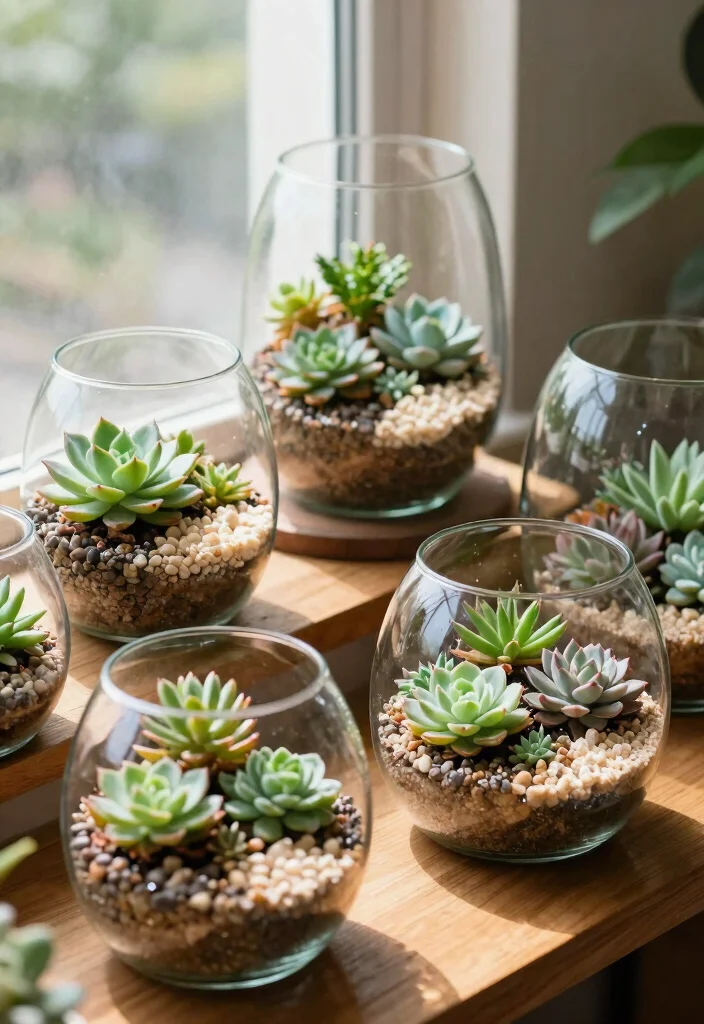
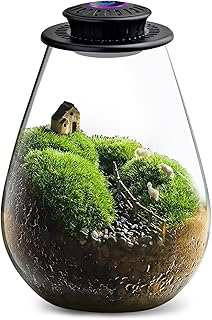
Consider creating unique succulent terrariums for your window box designs. These glass containers allow you to craft mini landscapes that showcase your favorite succulents in an enclosed environment. Choose a variety of shapes and sizes to create a striking arrangement, layering soil, pebbles, and decorative elements like driftwood or shells.
Ensure your terrarium has good airflow to prevent mold growth. Using a spray bottle for gentle watering instead of pouring directly can help maintain a healthy environment.
Additional suggestions for terrarium care:
– Position them where they can receive indirect sunlight for optimal growth.
– Add small figurines or decorative accents for a whimsical touch.
– Consider seasonal changes to keep the display fresh.
This unique approach not only enhances your decor but also creates a captivating focal point in your space.
Succulent Terrariums
Editor’s Choice


10. Bold Color Combos
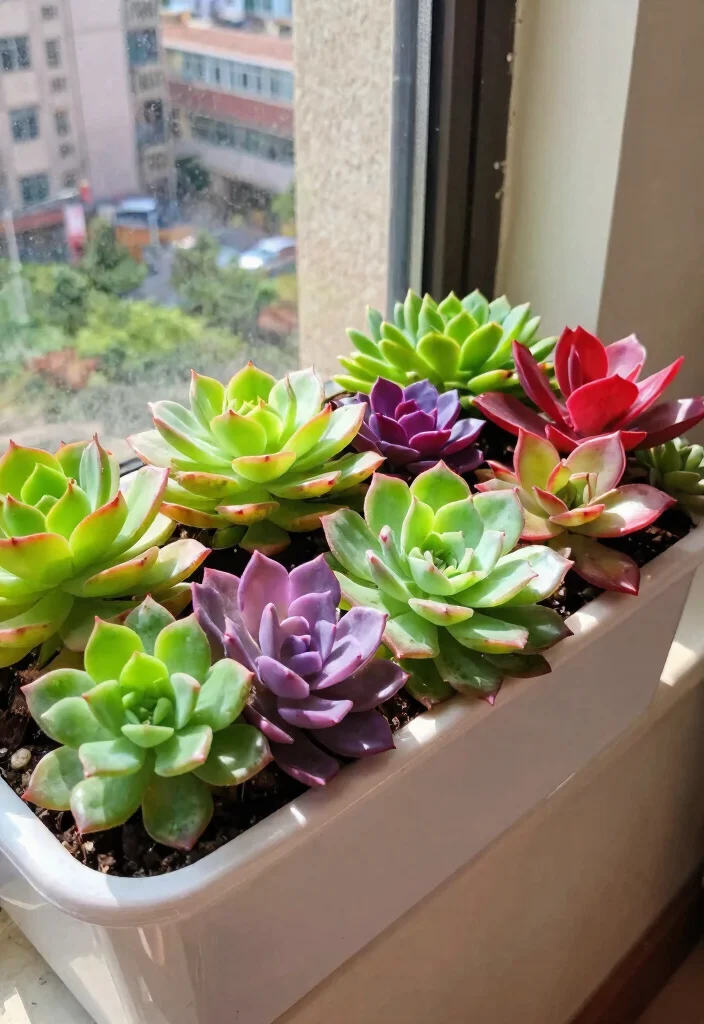
Infuse your succulent window box designs with vibrant colors to create a lively atmosphere. Combine different succulent species that boast stunning, contrasting colors like deep purples, greens, and reds for an eye-catching effect. This not only enhances the aesthetic appeal but also brings a sense of joy and liveliness to your surroundings.
Ensure that each type of succulent you choose shares similar care needs to keep them thriving together. This will make maintenance easier and more enjoyable.
Tips for achieving bold color combos:
– Use colored stones or mulch on top for extra visual interest.
– Arrange plants with varying heights to add depth and dimension.
– Incorporate seasonal colors for freshness.
This approach transforms your space, celebrating the beauty of your succulents.
11. Seasonal Themes
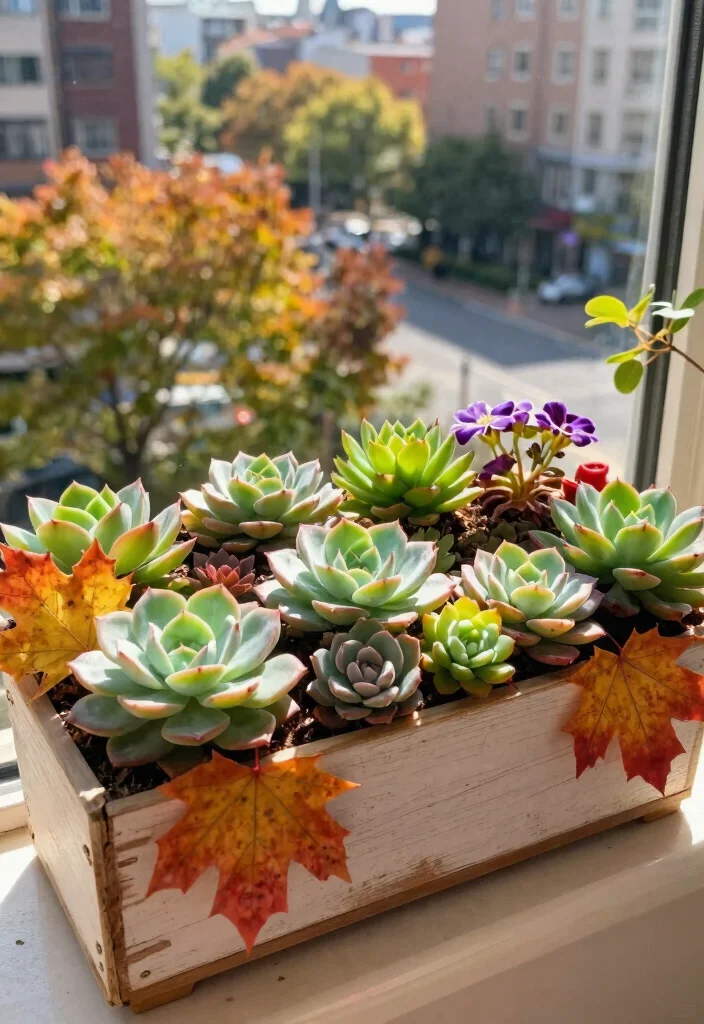
Keep your succulent window box designs fresh and exciting by switching them up with seasonal themes. For spring, use pastel pots and fresh blooms, while autumn can feature earthy tones with warmer succulents. This keeps your decor dynamic and relevant throughout the year.
Select succulents that bloom in different seasons for ongoing interest and a continually evolving display. Rotating your plants based on their blooming schedules can highlight their beauty at the perfect time.
Creative ideas for seasonal themes:
– Incorporate seasonal decorations like pumpkins in the fall or festive ornaments in winter.
– Change surrounding decor to match the season for a cohesive look.
– Use natural elements like pinecones or beach shells for added interest.
This approach not only enhances your decor but also celebrates the changing seasons beautifully.
Conclusion
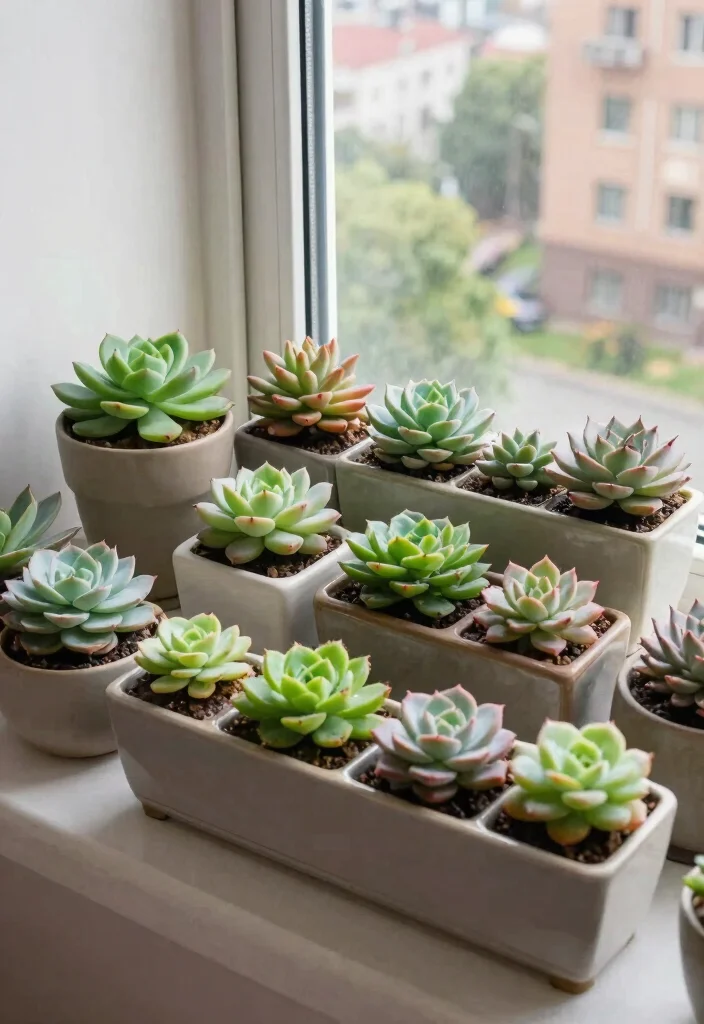
Succulents provide an excellent option for low maintenance gardening in urban spaces, especially when designed creatively in window boxes.
With these 11 succulent window box ideas, you can elevate your indoor plant decor while enjoying the beauty of nature right at your fingertips.
Don’t forget to explore succulent care tips to keep your green friends healthy and thriving!
Note: We aim to provide accurate product links, but some may occasionally expire or become unavailable. If this happens, please search directly on Amazon for the product or a suitable alternative.
This post contains Amazon affiliate links, meaning we may earn a small commission if you purchase through our links, at no extra cost to you.
Frequently Asked Questions
What are some low-maintenance succulent window box ideas for small urban spaces?
If you’re working with a compact balcony or a narrow sill, these succulent window box ideas can deliver big impact with little upkeep.
Use a shallow, long trough or a vertical wall planter to maximize space without clutter. Pair Echeveria, Sedum, and Crassula for texture and color, then add a trailing succulent such as Senecio varieties if you want a cascade. Choose containers with excellent drainage and a well-draining soil mix designed for succulents.
Water is the hero of low maintenance gardening here: in hot months aim for a deep soak every 2–3 weeks and let the soil dry completely between waterings. In winter, reduce watering further. Keep sun exposure consistent with each plant’s needs and group plants with similar light requirements together to keep maintenance simple.
How can I care for succulent window boxes to keep them healthy with minimal effort?
Here are easy succulent care tips for window boxes that stay low maintenance gardening friendly. Place boxes where they’ll receive bright light (ideally 6+ hours of sun for most succulents) but avoid scorching afternoon sun if possible. Use a fast-draining soil mix and ensure every planter has drainage holes. Water deeply when the top 1–2 inches of soil are dry—usually every 2–3 weeks in summer and rarely in winter. Feed sparingly with a weak cactus fertilizer once in spring. Inspect for pests weekly and prune any leggy growth to keep compact shapes. With these steps, your home indoor plant decor stays vibrant with low maintenance gardening.
Which window box designs maximize small spaces while showcasing indoor plant decor?
Smart window box designs can transform small spaces into lush, feasible greenery. Try a narrow trough beneath a window for a modern look, a wall-mounted vertical planter to reclaim floor space, or a tiered box to display multiple layers of color. Choose a cohesive window box designs approach and limit the palette to 2-3 complementary colors to keep maintenance simple. Use compact or trailing drought-resistant plants to ensure long-lasting impact without heavy watering. And always select planters with good drainage to protect furniture and keep your indoor plant decor stylish and fuss-free.
Are there succulent varieties that perform well in window boxes with different light conditions?
Absolutely. For sunny spots, try Echeveria, Sedum, and Graptoveria—these stay compact and colorful. For indirect light or partial shade, consider Haworthia, Gasteria, and certain Crassula varieties. Mix a sun-loving group with shade-tolerant plants if your window box gets varying light throughout the day, or rotate plants seasonally to keep growth healthy. Always ensure good drainage and avoid letting moisture linger, which is key for all drought-resistant plants in window boxes.
How often should I water a succulent window box, and what signals overwatering or underwatering?
Watering a succulent window box is all about the soil, not the calendar. Check the top 1–2 inches; if dry, it’s time to water. In hot months, expect to water roughly every 2–3 weeks; in cooler months, less often. Use a deep soak and let excess water drain away to prevent root rot. Signs of overwatering include yellowing, translucent, mushy leaves and stem softness; signs of underwatering are wrinkled, shriveled leaves and slowed growth. Always ensure your planters have good drainage and avoid standing water. With a simple routine, you’ll keep your succulent window box ideas thriving with low maintenance gardening in mind.