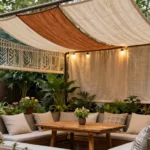
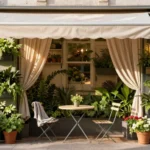
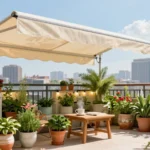
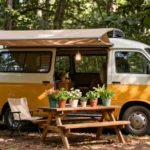
Creating a cozy and inviting outdoor space can turn your backyard into a personal oasis. With the right awning, you can add style, comfort, and functionality to your outdoor living area. Whether it’s for shade on a hot summer day or a sheltered spot for a rainy evening, awnings can enhance your outdoor experience. I put this post together because I want to help you discover creative, eco-friendly awning ideas that not only look great but also contribute to sustainable living.
If you’re a gardening enthusiast or someone who loves to unwind outside, this one’s for you. You’ll find innovative awning solutions that align with your values while taking your outdoor decor to the next level. From biodegradable fabrics to solar-powered designs, I’ve gathered 12 fabulous options that are stylish, practical, and perfect for creating inviting outdoor spaces.
Get ready to explore these eco-friendly awning ideas that will help you enjoy your garden, patio, or any outdoor area with comfort and flair. Each idea is designed not just to protect you from the elements but to complement your patio design, making your outdoor living spaces more enjoyable.
Key Takeaways
– Discover 12 diverse awning ideas that enhance your outdoor living while promoting sustainability.
– Learn about biodegradable fabric awnings that reduce environmental impact without sacrificing style.
– Explore solar-powered awnings that harness renewable energy, making your outdoor space energy-efficient.
– Find tips on using natural materials like bamboo and reed to create aesthetically pleasing shade solutions.
– Get practical advice on how to choose and install retractable awnings for flexibility and convenience in your outdoor areas.
1. Biodegradable Fabric Awnings
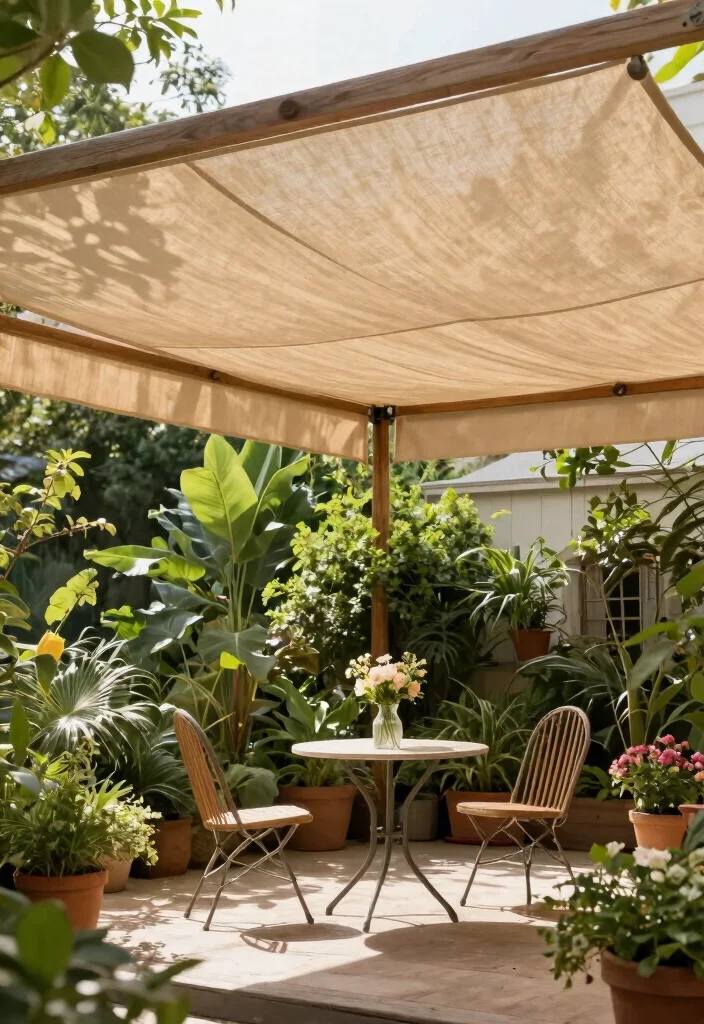
Biodegradable fabric awnings are a wonderful choice for anyone looking to combine style with sustainability. Crafted from natural fibers, these awnings break down naturally, ensuring your outdoor area remains eco-friendly. They not only provide ample shade but also come in a variety of colors and patterns, allowing you to express your personal style in your garden space.
When choosing biodegradable options, look for those dyed with non-toxic colors. A retractable design can add versatility, enabling you to adjust the shade based on the season. These awnings are especially great for patios and can be composted once they reach the end of their life.
Here are some key advantages:
– Eco-friendly materials that have minimal environmental impact.
– Aesthetic choices that enhance your outdoor decor.
– Conveniently collapsible, perfect for gatherings.
– Cost-effective and practical for creating shaded areas.
Integrating these awnings with potted plants can create a charming retreat for reading or sipping coffee al fresco.
Biodegradable Fabric Awnings
Editor’s Choice




2. Green Roof Awnings
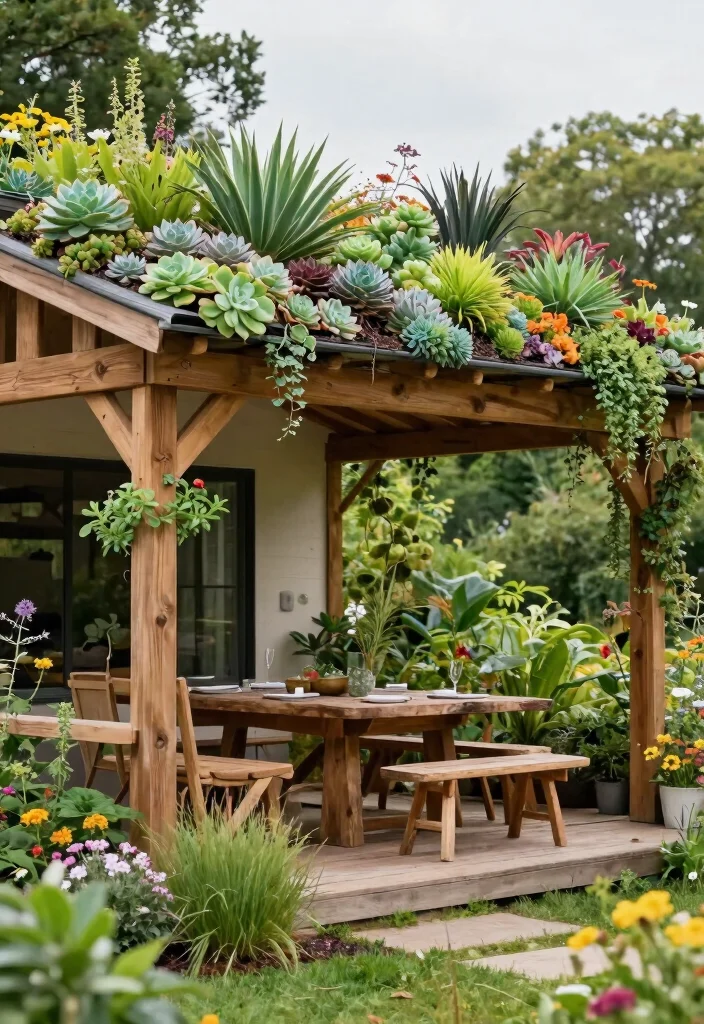
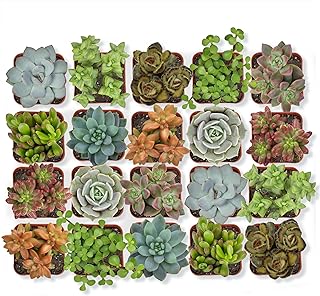
Green roof awnings are a visually appealing and environmentally friendly addition to any outdoor area. Featuring a layer of vibrant vegetation, they enhance insulation and absorb rainwater, contributing to reduced water consumption. These awnings support local biodiversity and create a mini-habitat for wildlife in your backyard.
Not only do they beautify your living space, but they also blend seamlessly with both contemporary and rustic patio designs. Opt for low-maintenance plants like succulents that thrive in your climate for the best results.
Design tips for green roof awnings include:
– Select native plants suited to your environment for sustainability.
– Install a drip irrigation system to conserve water.
– Ensure your structure can handle the weight of soil and greenery.
– Incorporate ornamental grasses for added visual interest.
These awnings will enhance your outdoor area, transforming it into a lush, garden-like retreat.
Green Roof Awnings
Editor’s Choice


3. Solar-Powered Awnings
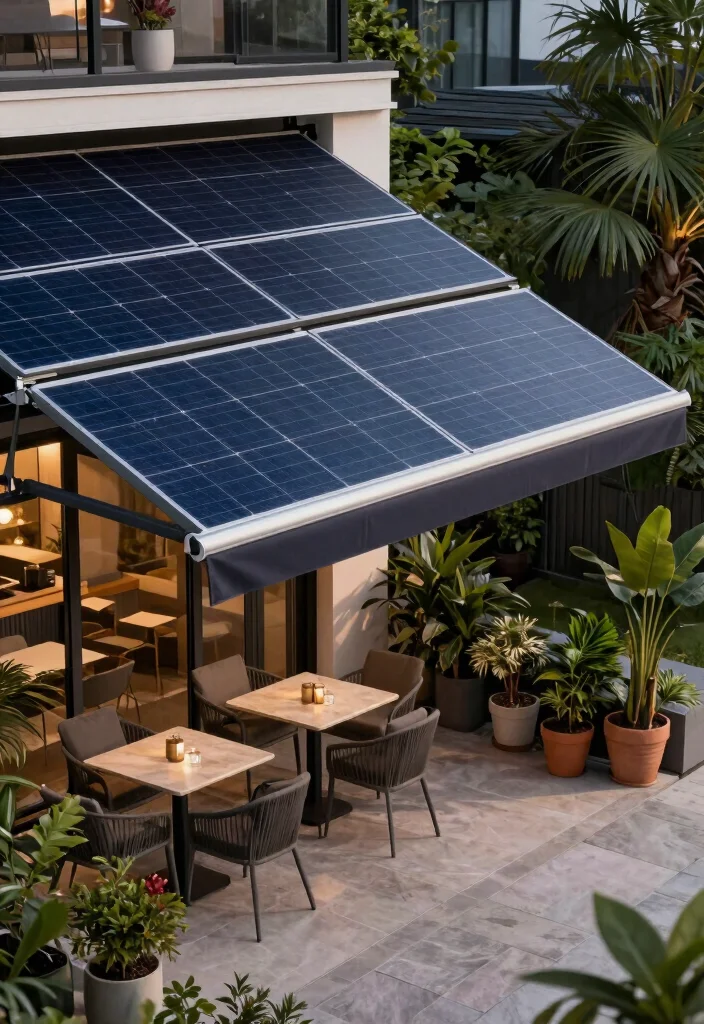
Solar-powered awnings represent the perfect blend of modern convenience and sustainability. These awnings utilize solar energy to operate their retractable features, adapting to sunlight intensity to provide optimal shade. Imagine a scenario where your awning extends automatically, ensuring your guests are comfortably shaded during gatherings.
Besides shade, the integrated solar panels can power outdoor lights or small appliances, letting you enjoy your space even after dark. When considering solar options, ensure they’re placed for maximum sunlight exposure.
Key considerations include:
– Choose high-efficiency solar panels for better performance.
– Consult a professional for safe installation.
– Look for styles that complement your existing outdoor decor.
– Check the placement for optimal sun exposure.
These awnings are perfect for tech enthusiasts looking to enhance outdoor aesthetics while being eco-conscious.
Solar-Powered Awnings
Editor’s Choice



4. Fabric Shade Sails
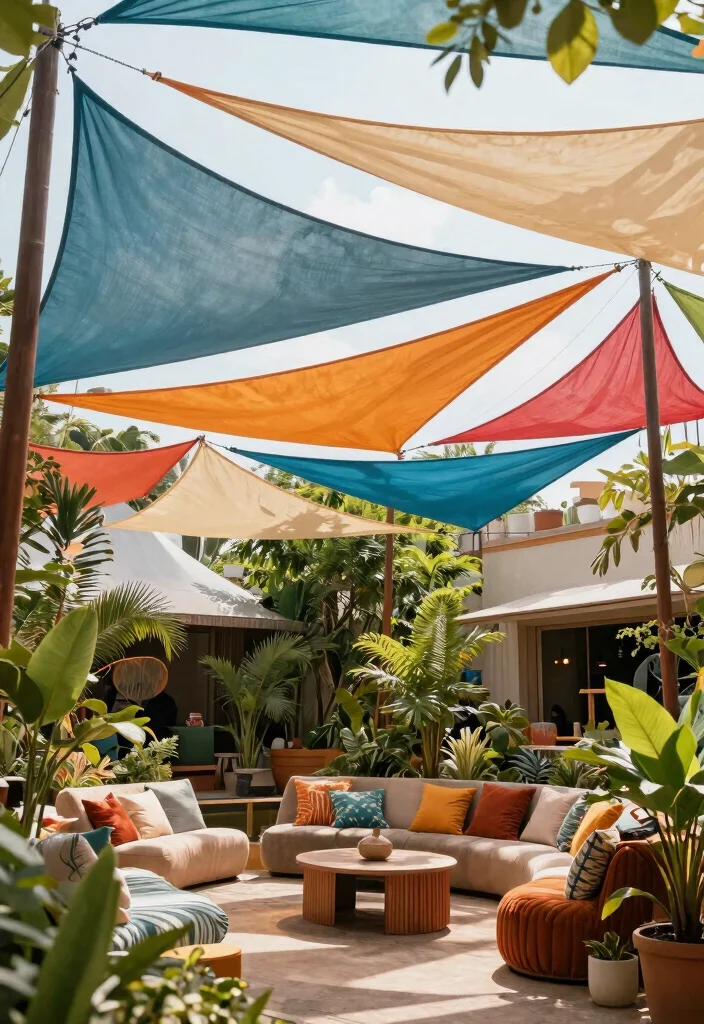
Fabric shade sails offer a trendy and adaptable solution for outdoor areas. Available in various shapes and sizes, they introduce vibrant colors and can be configured to fit different spaces. Made from durable, UV-resistant materials, they effectively shield you from the sun while allowing airflow for a cool atmosphere.
These awnings are particularly well-suited for unique garden layouts, allowing you to create intimate zones that invite relaxation. Mixing multiple sails in different hues can create a festive vibe.
Key benefits include:
– Lightweight materials that are easy to install and adjust.
– A variety of colors and patterns to fit any aesthetic.
– The ability to craft playful shapes that enhance your outdoor decor.
– Minimal maintenance required for upkeep.
These sails can add a burst of creativity to any outdoor event or family gathering.
5. Retractable Awnings
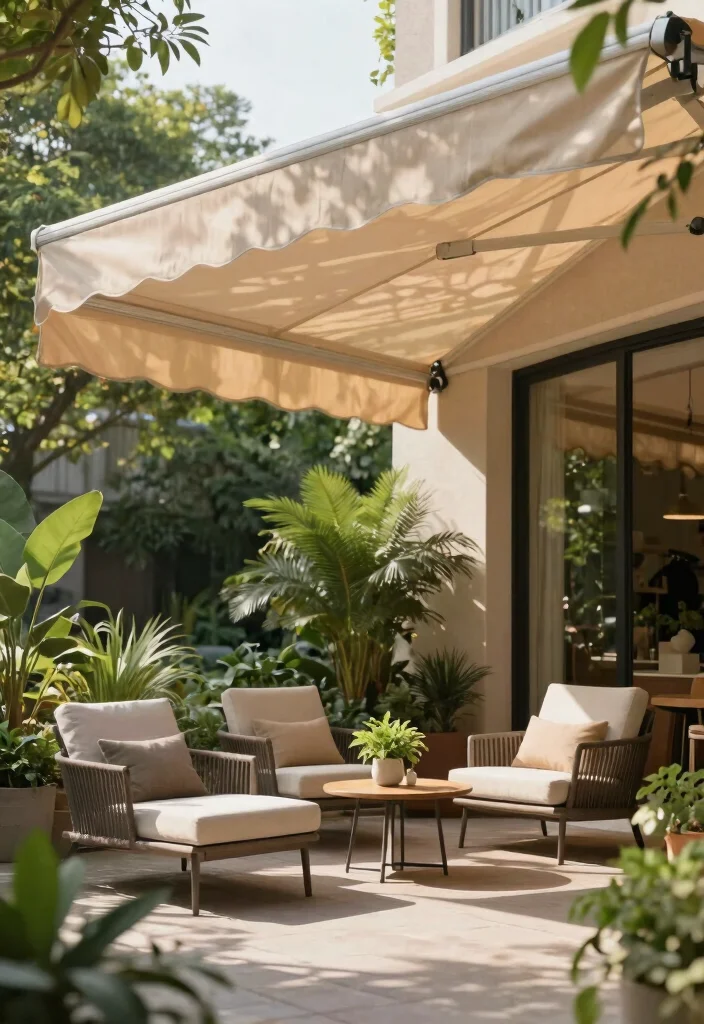
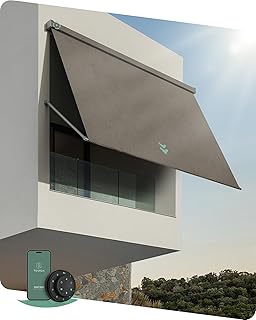
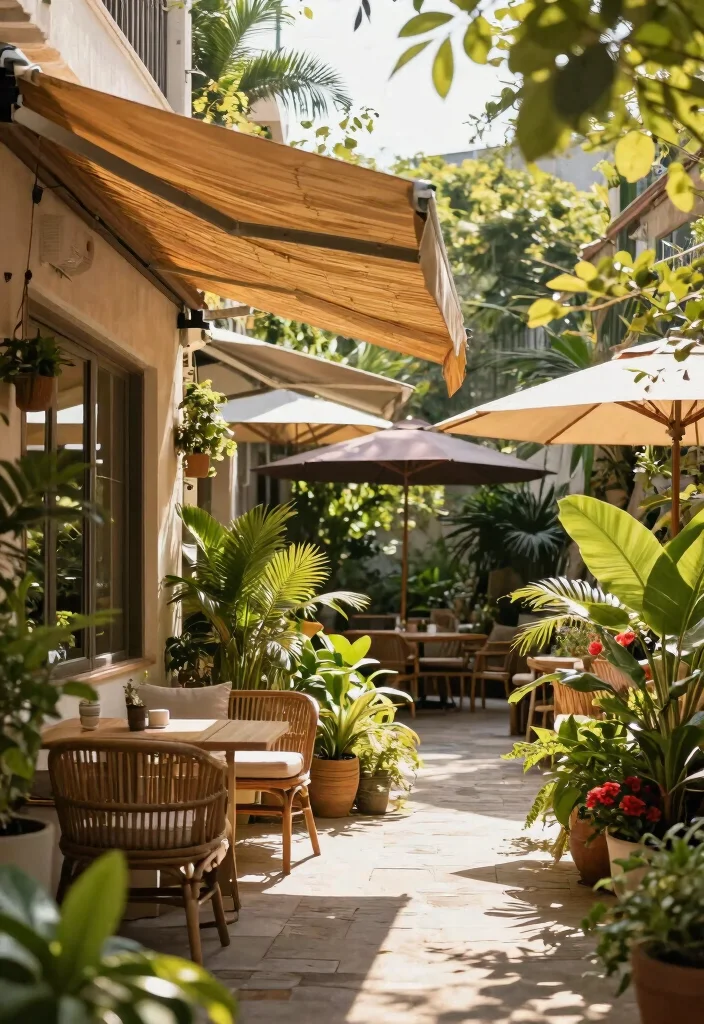
Retractable awnings provide the ultimate flexibility for your outdoor space. They can be easily extended or retracted, giving you complete control over sun exposure. Available in diverse styles and materials, these awnings fit seamlessly with any patio setup.
Ideal for smaller gardens or patios where permanent structures might be impractical, they allow you to enjoy the sun or seek shade as needed. For added ease, consider motorized options that adjust with the touch of a button.
When selecting retractable awnings, keep these factors in mind:
– Look for durable materials that endure harsh weather.
– Verify easy installation and maintenance.
– Explore UV protection to safeguard outdoor furniture.
– Choose designs that harmonize with your decor.
Retractable awnings can significantly enhance the functionality and enjoyment of your outdoor living area.
6. Pergola with Climbing Plants
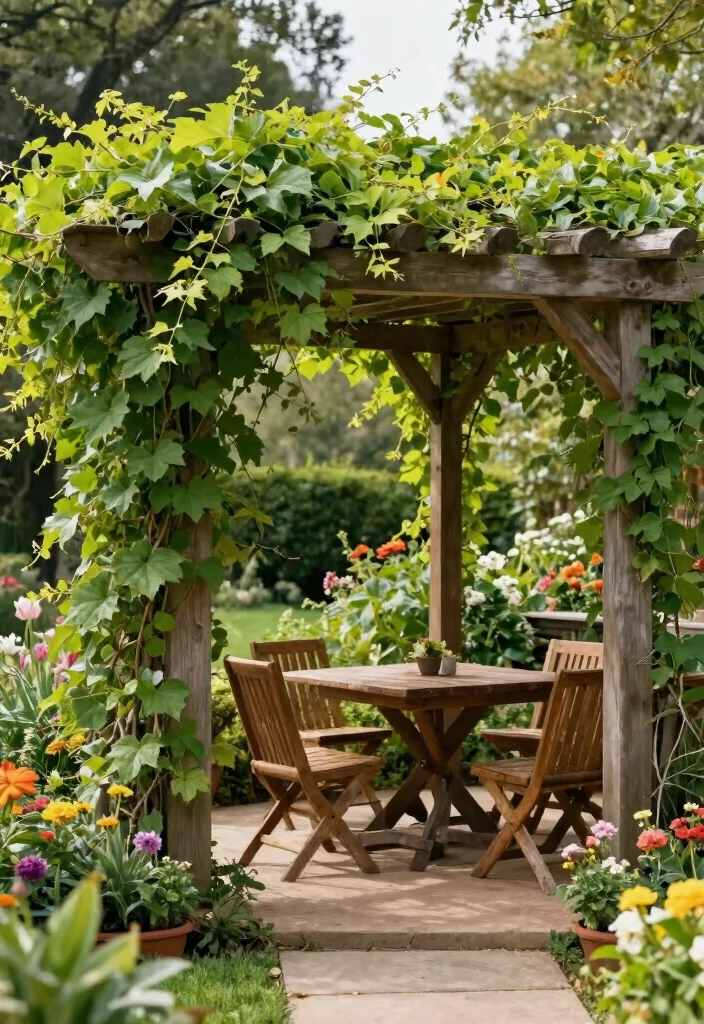
Pergolas adorned with climbing plants create a stunning outdoor feature. These structures form a natural canopy, offering shade while allowing sunlight to filter through. As vines grow around the pergola, they add a beautiful living element that enhances any garden or patio.
Consider using climbing plants like wisteria or ivy, which not only provide shade but can also bear fragrant flowers or fruits. Though building a pergola requires some investment, the resulting beauty and tranquility make it worthwhile.
Design tips for a pergola with climbing plants:
– Use sturdy materials to support the weight of the plants.
– Choose plants that thrive in your climate for longevity.
– Include seating to create an inviting space.
– Utilize the area for dining or relaxation.
With the right plants, a pergola can become a stunning focal point in your garden, offering a shaded retreat.
Pergola with climbing plants proves that shade can be stunning and sustainable. A living canopy lets sunlight filter softly while vines like wisteria bring fragrance and color. It’s one of the eco-friendly awning ideas that makes outdoor living practical and memorable.
Key Trade-offs & Our Top Pick
1. Biodegradable Fabric Awnings
– Pros:
– Eco-friendly materials that break down naturally.
– Lightweight and easy to install.
– Cons:
– May not be as durable as synthetic options.
– Limited color and design choices.
– Best for: Homeowners looking for sustainable options that don’t compromise on aesthetics.
2. Solar-Powered Awnings
– Pros:
– Generate their own energy, reducing electricity costs.
– Adjustable with remote control for flexibility in shade.
– Cons:
– Higher initial investment compared to traditional awnings.
– Performance may rely on sunlight availability.
– Best for: Environmentally conscious users who want to harness renewable energy.
3. Retractable Awnings
– Pros:
– Versatile; can be extended or retracted based on weather conditions.
– Protects furniture from UV damage when not in use.
– Cons:
– Requires maintenance to ensure smooth operation.
– May be more expensive than fixed options.
– Best for: Those who enjoy flexibility in their outdoor space and want to adapt to changing conditions.
4. Bamboo Awnings
– Pros:
– Naturally stylish and unique appearance.
– Sustainable material that’s strong and lightweight.
– Cons:
– May require regular treatment to prevent deterioration.
– Limited in thermal insulation compared to other materials.
– Best for: Homeowners looking for a natural, aesthetically pleasing solution for garden shade.
5. Upcycled Materials Awnings
– Pros:
– Reduces waste by repurposing materials.
– Customizable and unique designs often tell a story.
– Cons:
– Quality can vary greatly depending on the source materials.
– May not be suitable for all climate conditions.
– Best for: Eco-conscious individuals wanting to make a statement with their outdoor decor.
Expert Recommendation:
Best Overall: Retractable Awnings
Retractable awnings stand out as the top choice for most people. They offer excellent value for money by providing flexibility and protection against the sun. You can easily adjust them based on your needs, making them versatile for different outdoor events. Additionally, they have a reputation for long-term durability when properly maintained.
Why We Picked This:
While retractable awnings are our top pick, each option has its own set of advantages and disadvantages. If you prioritize sustainability and want a unique touch, then biodegradable or upcycled awnings may be ideal. On the other hand, solar-powered options are perfect for tech-savvy homeowners looking to save on energy costs. Think about your specific needs and how you plan to use your outdoor space when making your final choice. 🌱
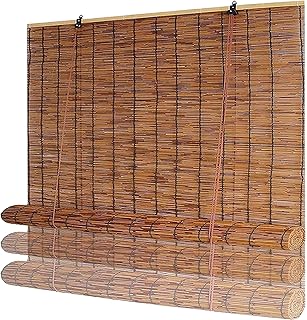
7. Bamboo Awnings
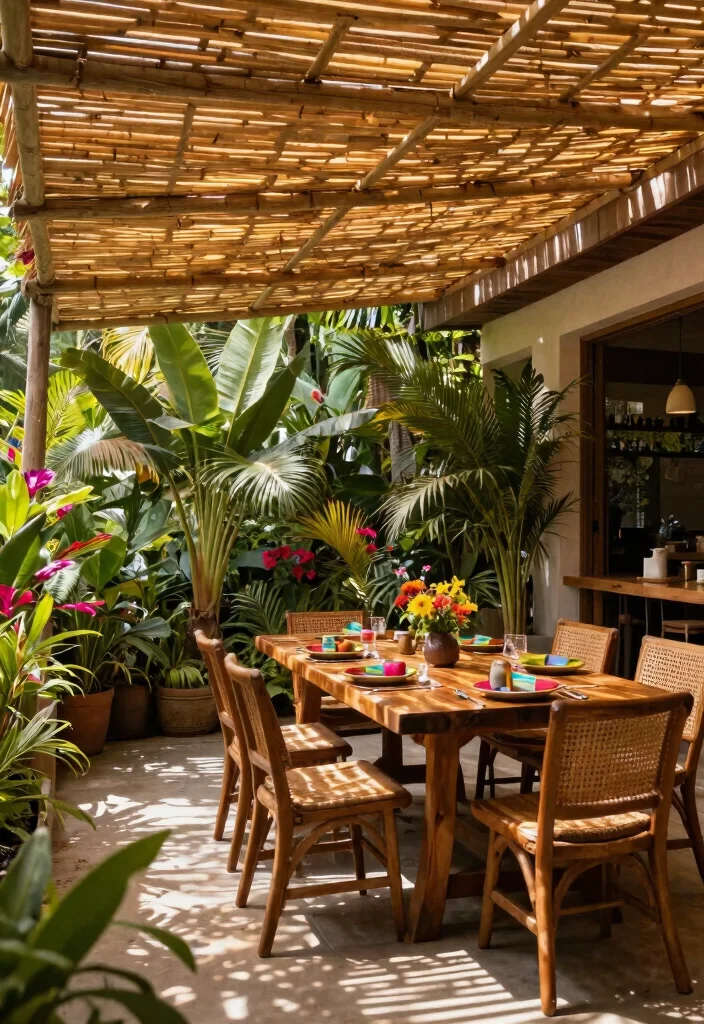
Bamboo awnings add a chic and eco-friendly touch to your outdoor space. Bamboo is a fast-growing, renewable resource that delivers a unique aesthetic while providing ample shade. These awnings enhance your garden’s organic feel and can fit various styles from traditional to modern.
The natural texture of bamboo creates warmth and character in your outdoor area, and these awnings can be stationary or retractable depending on your needs.
When considering bamboo awnings, keep in mind:
– Select treated bamboo to resist weather and pests.
– Combine with natural decor elements for a cohesive look.
– Add sheer drapes for privacy while allowing airflow.
– Incorporate bamboo into a broader natural theme.
These awnings not only shield you from the sun but also create a serene atmosphere in your yard.
8. Upcycled Materials Awnings
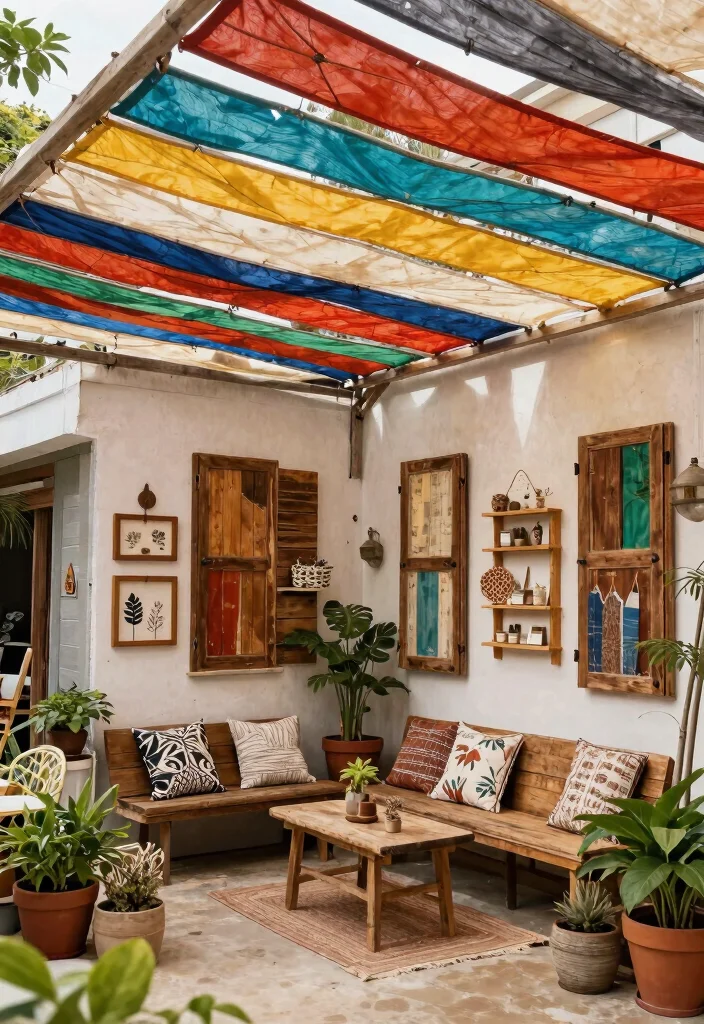
Upcycled materials make for a creative and sustainable awning solution. By repurposing items such as old sails, shutters, or reclaimed wood, you can add a unique flair to your outdoor space while minimizing waste. Each awning tells a story, showcasing your resourcefulness in outdoor design.
These awnings can be customized based on the materials used, ensuring each one is distinct. This approach not only reflects your creativity but can also be budget-friendly, utilizing resources that would otherwise be discarded.
When designing upcycled awnings, consider:
– Ensure materials are durable and weather-resistant.
– Think creatively to blend different items into a cohesive design.
– Incorporate fun colors for added visual appeal.
– Explore DIY projects for a personalized touch.
Using upcycled materials enhances your outdoor living area while demonstrating your commitment to sustainability.
9. Canvas Awnings
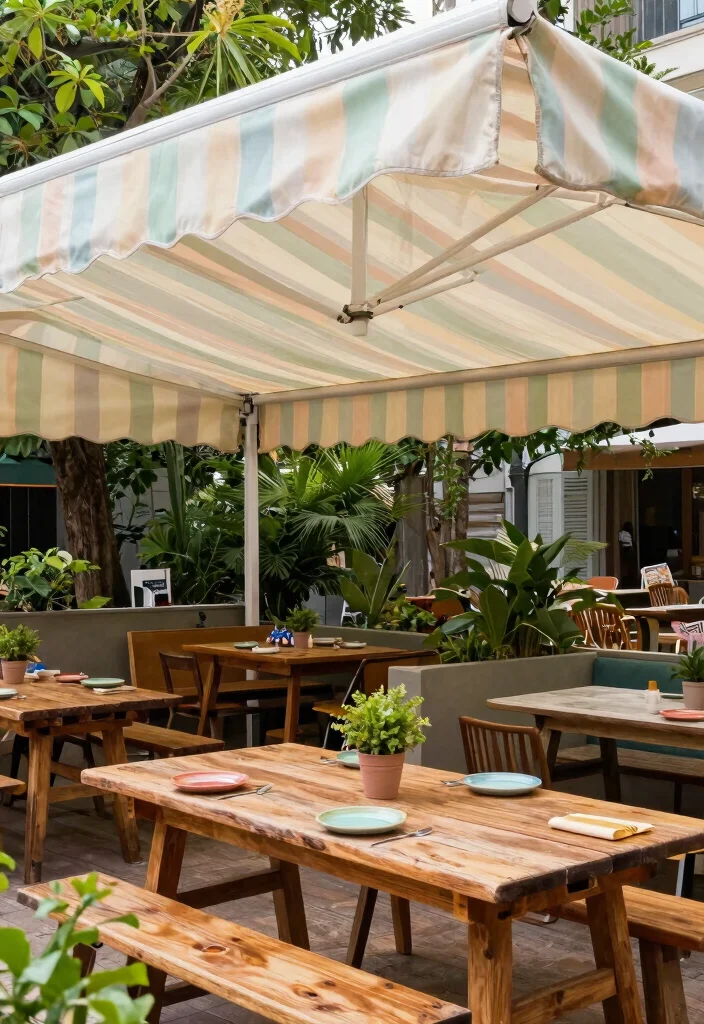
Canvas awnings are a timeless choice that combines practicality with style. Offering excellent UV protection, they can be customized in a variety of colors and patterns to match your outdoor decor. Canvas is a durable, weather-resistant fabric, making it ideal for outdoor settings.
These awnings can be fixed or retractable, allowing versatility to suit different outdoor needs. They also pair seamlessly with other shade solutions like pergolas or umbrellas for enhanced coverage.
Tips for selecting canvas awnings include:
– Choose high-quality, UV-resistant fabric for durability.
– Opt for machine-washable options for easy maintenance.
– Consider size and shape for the perfect fit.
– Think about adding side panels for extra wind protection.
Canvas awnings can elevate your outdoor space, creating an inviting atmosphere for gatherings or everyday relaxation.
10. Pergola Shades and Drapery
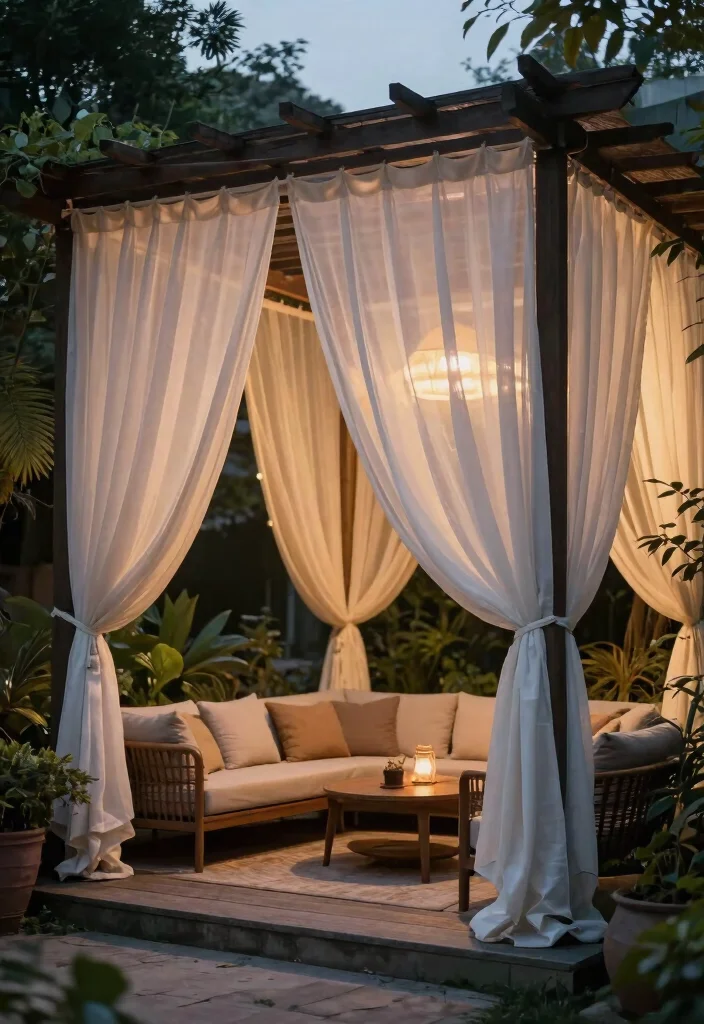
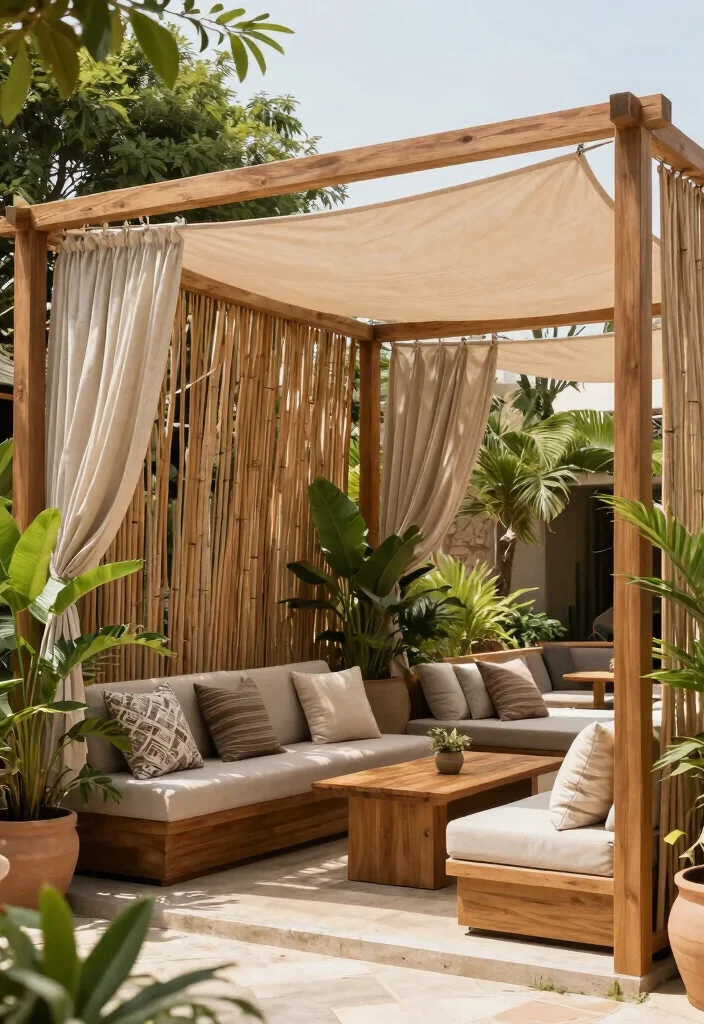
Pergola shades and drapery add elegance and practicality to your outdoor living area. By attaching light, sheer fabrics to your pergola, you create a cozy atmosphere while still allowing airflow. This design works wonderfully for achieving an outdoor room feel.
You can select eco-friendly materials for your drapery, allowing you to maintain style while being environmentally conscious. Choose colors that complement your landscape or go bold for a striking contrast. The flexibility of drapery allows you to adjust the shade throughout the day.
Consider these aspects:
– Ensure the fabric is weather-resistant for outdoor durability.
– Use tiebacks for easy access to adjust drapery.
– Pair with outdoor lighting for enchanting evenings.
– Experiment with different lengths and styles to suit your taste.
Creating a sophisticated outdoor area is effortless with pergola shades and drapery that blend beauty and function.
11. Natural Reed Awnings
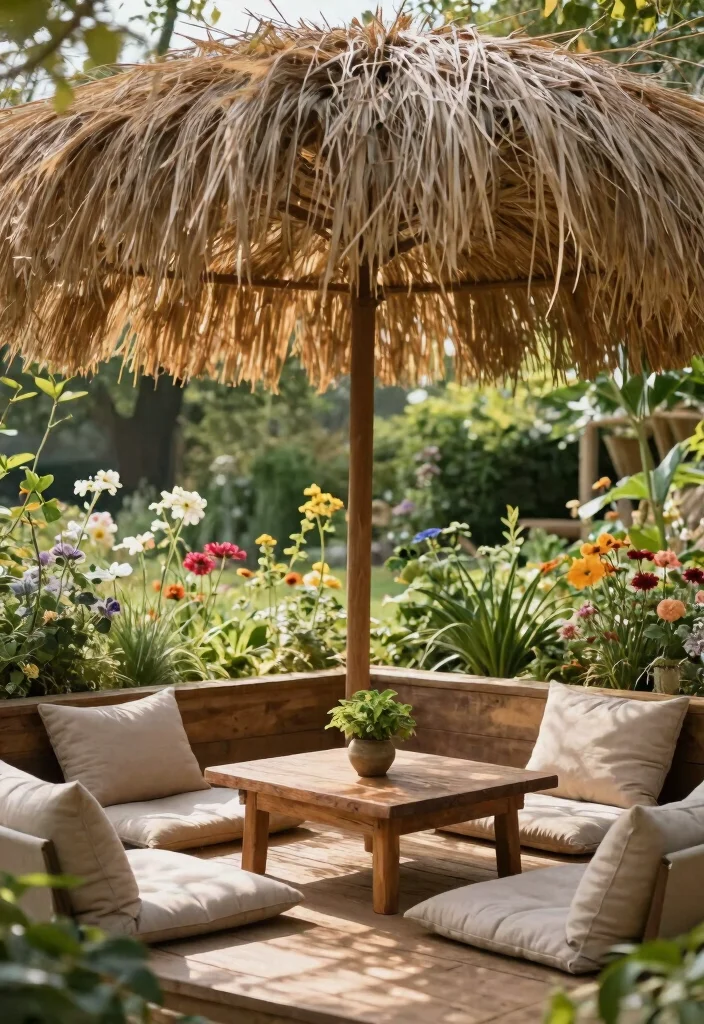
Natural reed awnings bring a rustic charm to outdoor settings. Made from sustainably harvested reeds or grasses, they provide excellent shade while allowing air circulation, keeping your space cool. Their organic appearance blends beautifully with garden landscapes, making them perfect for eco-conscious homeowners.
These awnings can stand alone or attach to existing patio designs, available in various styles to fit your taste. The rich textures of reed awnings add warmth to your outdoor decor.
When considering natural reed awnings, remember:
– Ensure they are treated to resist moisture and pests.
– Consider professional installation for safety and durability.
– Look for options that allow for integrated lighting for evening use.
– Pair them with natural stone or wood for a cohesive aesthetic.
Natural reed awnings create a tranquil atmosphere, ideal for enjoying the outdoors.
Fun fact: Natural reed awnings are one of the eco-friendly awning ideas that shade your outdoor space and boost airflow, cutting sun glare by up to 40% and keeping surfaces cooler. They bring rustic charm while supporting sustainability.
Natural Reed Awnings
Editor’s Choice



12. Shade Structures with Windbreaks
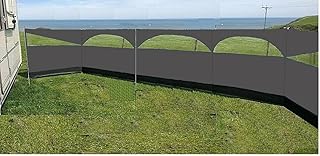
Shade structures with windbreaks are perfect for creating a sheltered outdoor living space. These structures not only shield you from the sun but also act as a barrier against wind, making your patio or garden more usable throughout the year. They can be constructed from wood, metal, or fabric, tailored to fit different design preferences.
Windbreaks enhance comfort, allowing you to enjoy outdoor activities even on breezy days while adding privacy to your area. When planning a shade structure with windbreaks, keep these points in mind:
– Choose materials that withstand your local weather.
– Design windbreaks to complement your outdoor decor.
– Consider built-in seating or planters for extra functionality.
– Incorporate natural elements for a seamless look.
Achieving a beautiful and comfortable outdoor living space is easy with thoughtfully designed shade structures that include windbreak features.
❝ Fun fact: Shade structures with windbreaks can reduce wind exposure by up to 60% and extend outdoor living months by 3–4. Pair wood, metal, or fabric to tailor your awning ideas for year-round comfort. ❞
Shade Structures with Windbreaks
Editor’s Choice


Conclusion
Upgrading your outdoor living space with eco-friendly awning ideas not only enhances aesthetics but also contributes to a sustainable lifestyle. Whether you prefer retractable options, natural materials, or innovative designs, these ideas can help you create a beautiful oasis in your garden. Embrace the joy of outdoor living while caring for the planet, and let your creativity shine in your outdoor decor choices.
Which of these awning ideas inspires you the most? Let’s make our outdoor spaces not just livable but loveable!
Note: We aim to provide accurate product links, but some may occasionally expire or become unavailable. If this happens, please search directly on Amazon for the product or a suitable alternative.
This post contains Amazon affiliate links, meaning we may earn a small commission if you purchase through our links, at no extra cost to you.
Frequently Asked Questions
What are some eco-friendly awning ideas to enhance your outdoor living spaces?
Eco-friendly awning ideas blend practicality with sustainability to elevate your outdoor living spaces.
Start with a retractable awning to control sun exposure and cut cooling costs. Choose fabrics made from recycled or responsibly sourced materials and frames that are lightweight, durable, and recyclable like powder-coated aluminum. Pair with outdoor decor pieces crafted from natural, weather-resistant materials. Layer in garden shade solutions such as pergolas with climbing plants or shade sails for added depth. Finish with solar-powered lighting to extend evenings without drawing on the grid. These awning ideas keep your space stylish while supporting sustainable outdoor living.
How can retractable awnings improve patio design tips and energy efficiency?
Retractable awnings give you seasonal flexibility: extend them for peak sun, then retract to enjoy sunset views or a cooling breeze. For patio design tips, they create clean lines, define zones, and work well with other outdoor decor elements. Energy-wise, blocking direct sun on windows and doors helps keep indoor spaces cooler, reducing cooling needs. Choose UV-protective fabrics and consider wind sensors for safety. Pair with garden shade solutions like curtains, trees, or lattice to create a layered, comfortable outdoor living spaces.
What materials are best for eco-friendly awning fabrics and frames?
Go for fabrics that are UV-stable and fade-resistant, such as solution-dyed acrylic or recycled polyester, ideally with a long warranty. Frames in powder-coated aluminum or stainless steel are durable, recyclable, and low-maintenance, while avoiding PVC-heavy options keeps things greener. Look for fabrics with low chemical content and certifications where possible, and choose hardware that resists corrosion for longer life. These choices support awning ideas that are both sustainable and stylish, helping you protect outdoor living spaces season after season.
How do I choose the right garden shade solution for a small patio?
Start by mapping your sun exposure and measuring the area you want shaded. For small patios, a retractable awning or a compact shade sail can provide flexible coverage without dominating the space. Consider whether you need vertical shade (screens or lattices) for heat reduction, or a climbing plant for a green canopy as part of outdoor decor. Look for eco-friendly materials and ensure installation is secure and weather-ready. This approach aligns with practical patio design tips and maximizes your outdoor living spaces in a compact footprint.
What are budget-friendly eco-friendly awning ideas to transform your outdoor space?
You can refresh your space without breaking the bank by starting with a simple retractable awning over a seating area and adding low-cost outdoor decor accents. Consider upcycling an older frame, using second-hand components, or building a small DIY pergola with natural, sustainable materials. Add shade with affordable options like shade cloths or climbing vines, and light the area with solar-powered LEDs. Layer in native plants for garden shade solutions that thrive with less water, creating a cohesive, eco-friendly outdoor living spaces makeover.