Creating a shady retreat in your backyard is more than just a design choice; it’s a way to enhance your outdoor living experience. With the sun blazing, having a comfortable spot to relax, entertain, or garden is essential. That’s why I’ve put together this list of DIY awning ideas that cater to both style and sustainability. Whether you’re looking to cut costs or make a statement, these creative solutions will help you craft the perfect shaded area right in your own backyard.
If you’re someone who loves gardening, enjoys outdoor living spaces, or simply wants to chill in the shade, this post is for you. Each of these DIY awning ideas is not only budget-friendly but also eco-conscious, making them ideal for anyone passionate about sustainable gardening. You’ll discover options that range from rustic wooden pergolas to colorful sail shades, ensuring you find something that suits your personal style and outdoor needs.
Get ready to dive into a world of possibilities! This guide offers 11 practical DIY awning ideas that are innovative, practical, and easy to implement. Each idea is designed to bring a fresh, vibrant feel to your backyard while providing the much-needed shade to keep your space comfortable and inviting. Let’s get started on creating your perfect outdoor oasis!
Key Takeaways
– Explore 11 budget-friendly DIY awning ideas that enhance outdoor living spaces while providing essential shade.
– Discover sustainable options that utilize recycled materials, like recycled pallet awnings, for an eco-friendly approach.
– Learn how to transform your garden with creative patio covers that not only offer shade but also add aesthetic appeal.
– Understand the benefits of using natural shade trees and how they can enhance your backyard environment sustainably.
– Get practical tips on crafting garden shade structures that fit your personal style and budget, ensuring a cool retreat all summer long.
1. Rustic Wooden Pergola
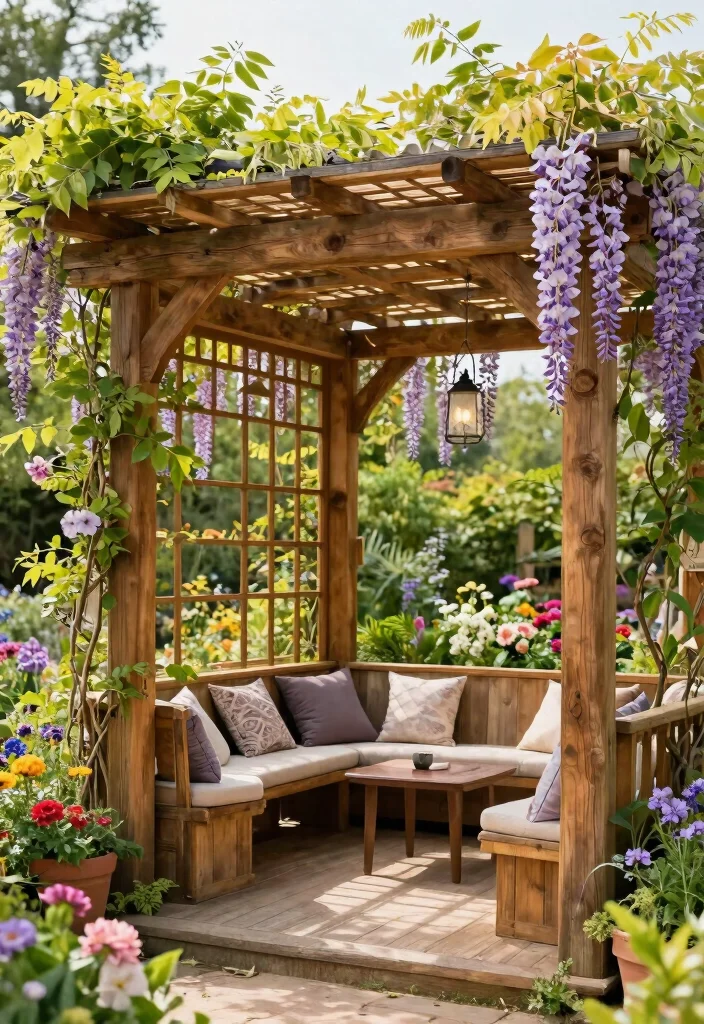
Building a rustic wooden pergola transforms your backyard into a stylish retreat. By using reclaimed wood, you not only create a beautiful structure but also embrace eco-friendly practices. This pergola can become a stunning focal point for climbing plants like wisteria or grapevines, which will form a natural canopy over time.
To start, choose strong beams for the frame, securing them with nails and wood glue for added stability. Incorporate a lattice design on top to let some sunlight filter through while still providing plenty of shade. Adding fairy lights or lanterns can create a charming evening atmosphere.
Key steps to create your pergola:
– Select local wood to support sustainable forestry.
– Treat the wood with eco-friendly sealants for durability.
A pergola not only provides shade but also enhances your garden, making it a perfect spot for afternoon tea or curling up with a good book.
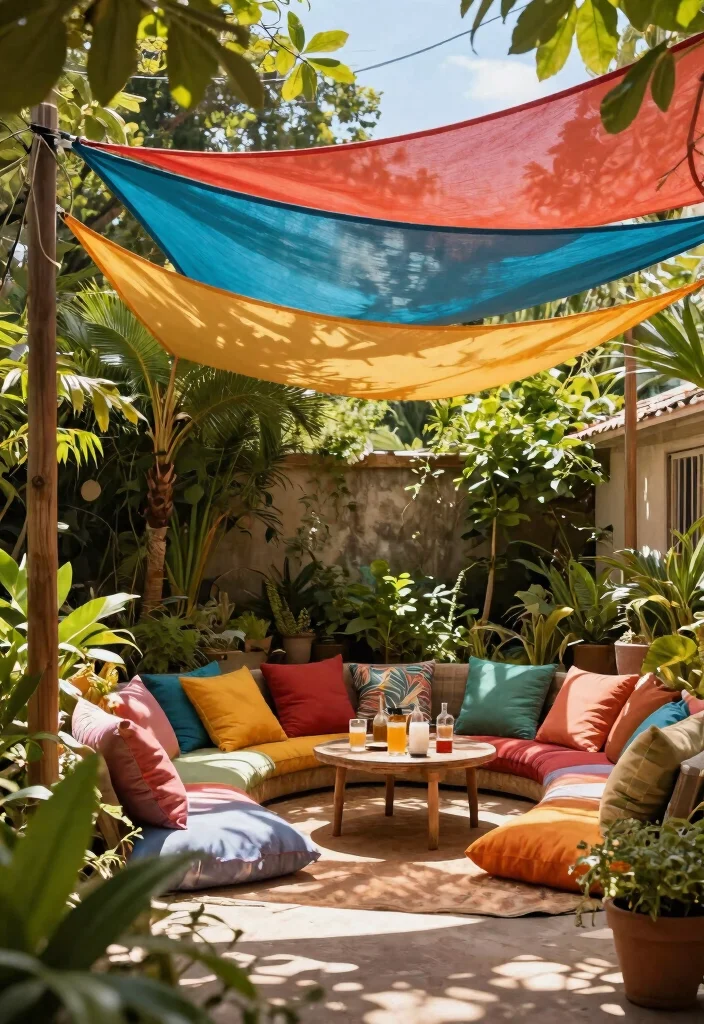
2. Colorful Sail Shade
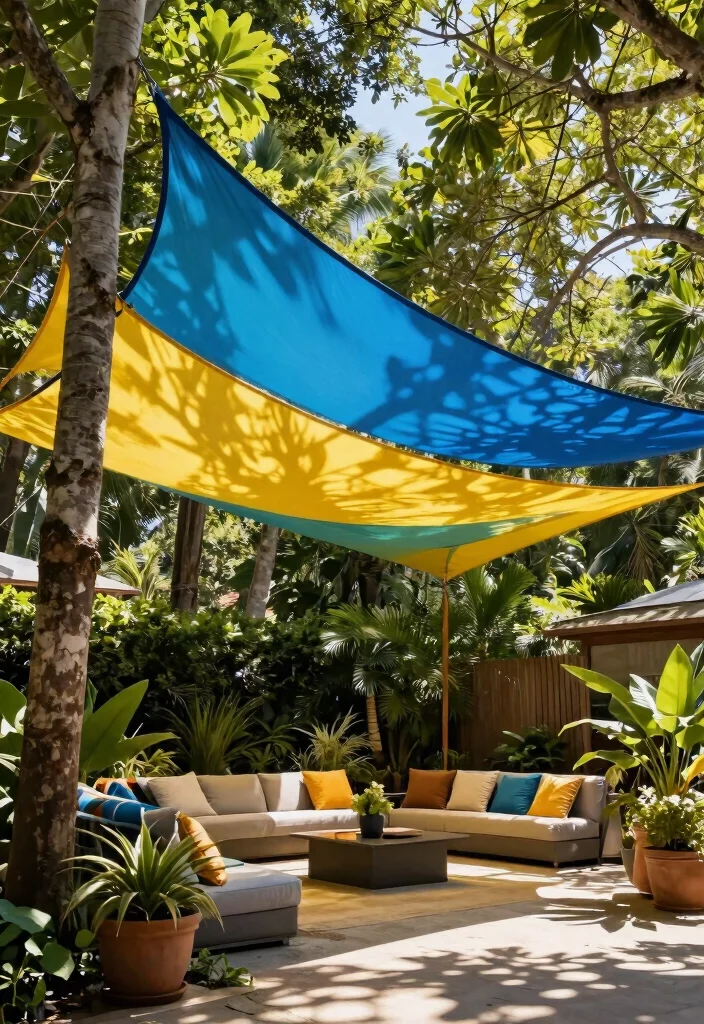
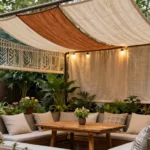
Colorful sail shades are an exciting way to add style and functionality to your backyard. These vibrant fabric canopies not only provide shade but also introduce a modern flair to your outdoor space. You can choose from a variety of shapes and colors, making them a versatile option for any garden.
To create a sail shade, pick durable, weather-resistant fabric in hues that complement your landscape. Anchor the fabric between trees, poles, or walls at different angles to create unique shadow patterns on the ground.
Essential tips for your sail shade:
– Use UV-resistant fabric to ensure long-lasting protection.
– Experiment with shapes and orientations for a striking visual effect.
A sail shade can transform your backyard into a chic outdoor lounge, perfect for entertaining or relaxing with a book.
Did you know color and angle can slash backyard heat by up to 70%? For your diy awning ideas, choose weather-resistant fabric in hues that complement your space and anchor the sail shade between trees or walls at varying angles to create a cooler, stylish retreat.
3. Recycled Pallet Awning
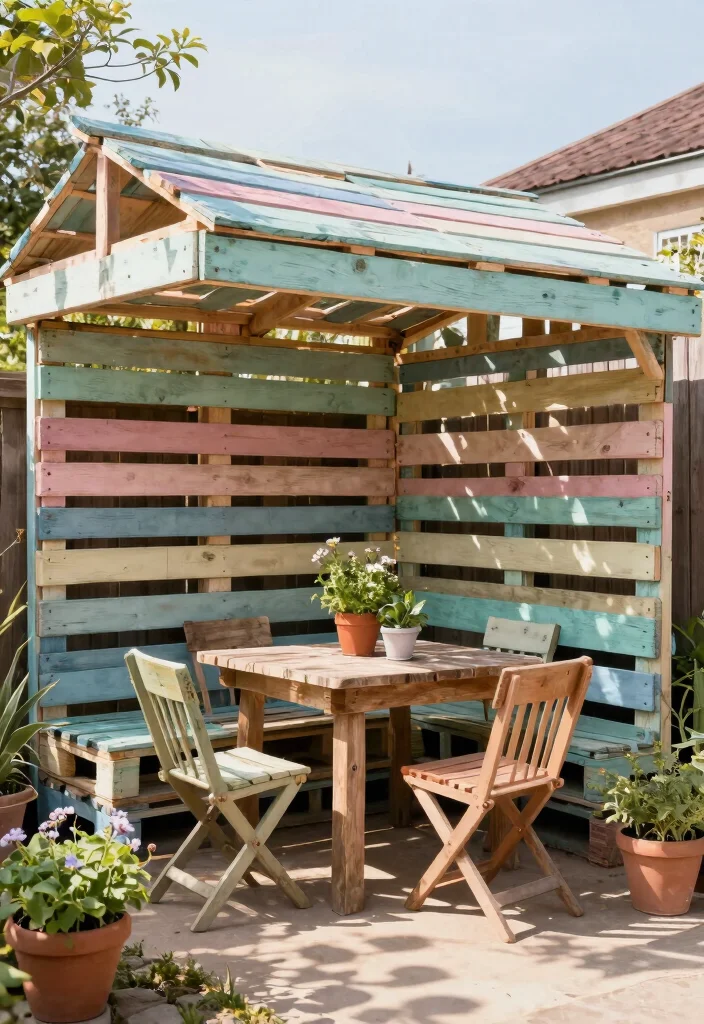
Turning old pallets into a charming awning is a clever way to recycle while creating an affordable shade solution. This DIY project is not just budget-friendly but also allows you to customize the design to suit your garden’s style. Plus, it’s an eco-conscious choice that adds character to your outdoor area.
Start by collecting wooden pallets, which can often be sourced for free or at a low cost. Position them in a shaded arrangement above your seating area and consider painting them with non-toxic outdoor paint for protection and aesthetic appeal.
Quick tips for your pallet awning:
– Sand any rough edges to avoid splinters.
– Add fabric or greenery on top for a softer look and extra shade.
The rustic charm of recycled pallets creates a relaxed atmosphere, perfect for family gatherings or friendly get-togethers.
4. Vertical Garden Shade
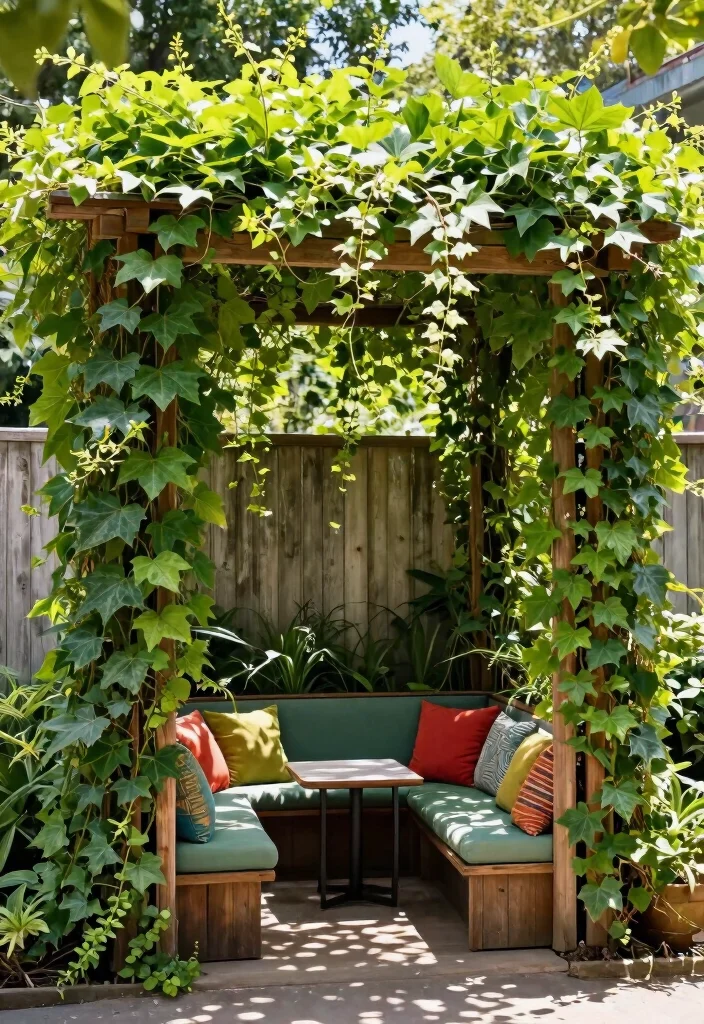
A vertical garden shade combines beauty and practicality, maximizing space while providing essential cover. This innovative idea involves creating a vertical garden wall that serves both as a privacy screen and a lush green canopy, cooling your outdoor area naturally.
Select climbing plants like ivy or flowering vines that thrive in your climate. Build a vertical frame using reclaimed wood, wire mesh, or trellis, securely attaching it to a wall or fence. Over time, these plants will flourish, creating a beautiful living wall for shade.
Helpful hints for your vertical garden:
– Install a drip irrigation system to keep plants hydrated.
– Use a mix of plant varieties for diverse textures and colors.
A vertical garden shade enhances your patio’s coolness while adding a vibrant touch of nature to your landscape.
Vertical Garden Shade
Editor’s Choice



5. Bamboo Canopy
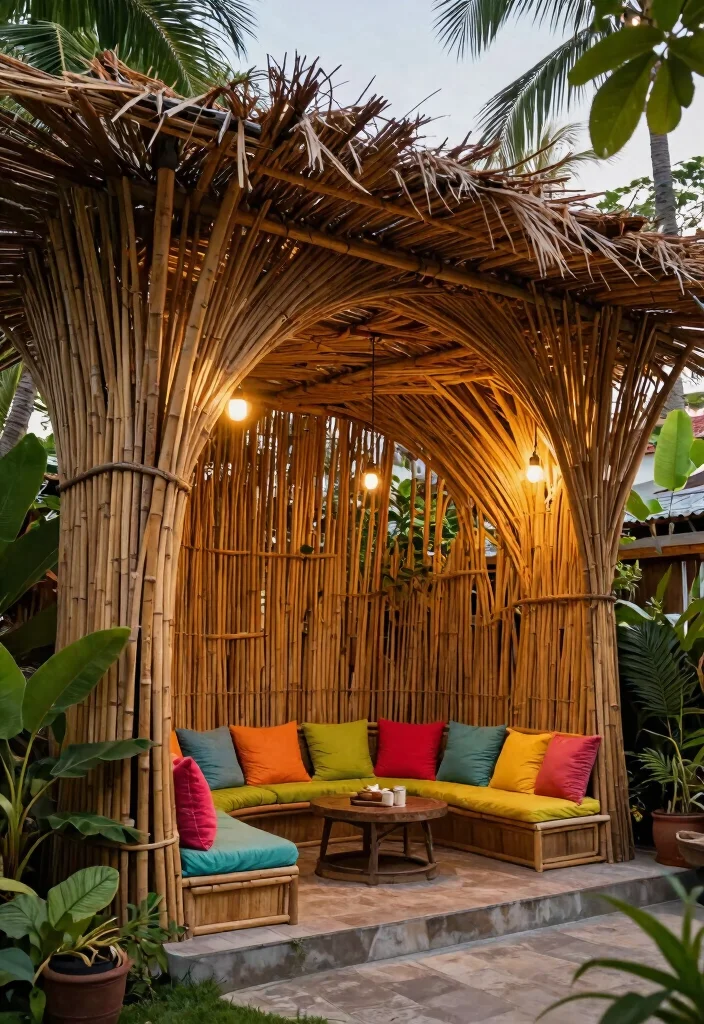
For a unique and stylish option, consider a bamboo canopy that adds an exotic touch to your backyard. Bamboo is a sustainable choice that grows quickly, offering a natural aesthetic reminiscent of tropical environments. Create a simple frame with bamboo poles and cover it with woven mats or reeds for a rustic look.
The natural texture of bamboo enhances the earthy vibe of your outdoor space, providing ample shade for lounging or dining. Additionally, bamboo is lightweight and easy to work with, making it ideal for DIY projects.
Key considerations for your bamboo canopy:
– Treat bamboo for weather resistance to ensure longevity.
– Add string lights for a magical ambiance in the evenings.
This canopy serves as a stunning centerpiece, turning ordinary moments into a vacation-like experience in your garden.
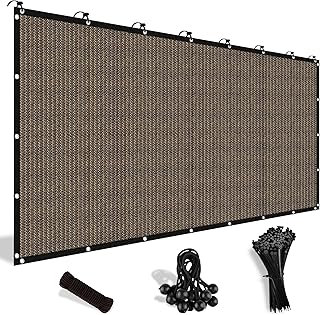
6. Shade Cloth Setup
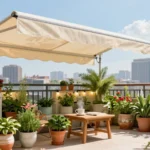
Shade cloth is a practical and cost-effective way to create shaded areas in your backyard. Available in various colors and densities, it allows you to control how much sunlight filters through. Simply hang the cloth between supports like poles or trees, ensuring it’s taut to prevent sagging.
This solution is perfect for protecting delicate plants or creating a cool spot during hot summer days. The installation is easy, requiring minimal tools and effort.
Important tips for your shade cloth:
– Choose a high UV rating for maximum protection.
– Select a color that complements your garden design for a cohesive look.
With shade cloth, you can get creative by mixing different colors or patterns, enhancing the visual appeal of your outdoor space.
Shade Cloth Setup
Editor’s Choice


7. Lattice Shade Structure
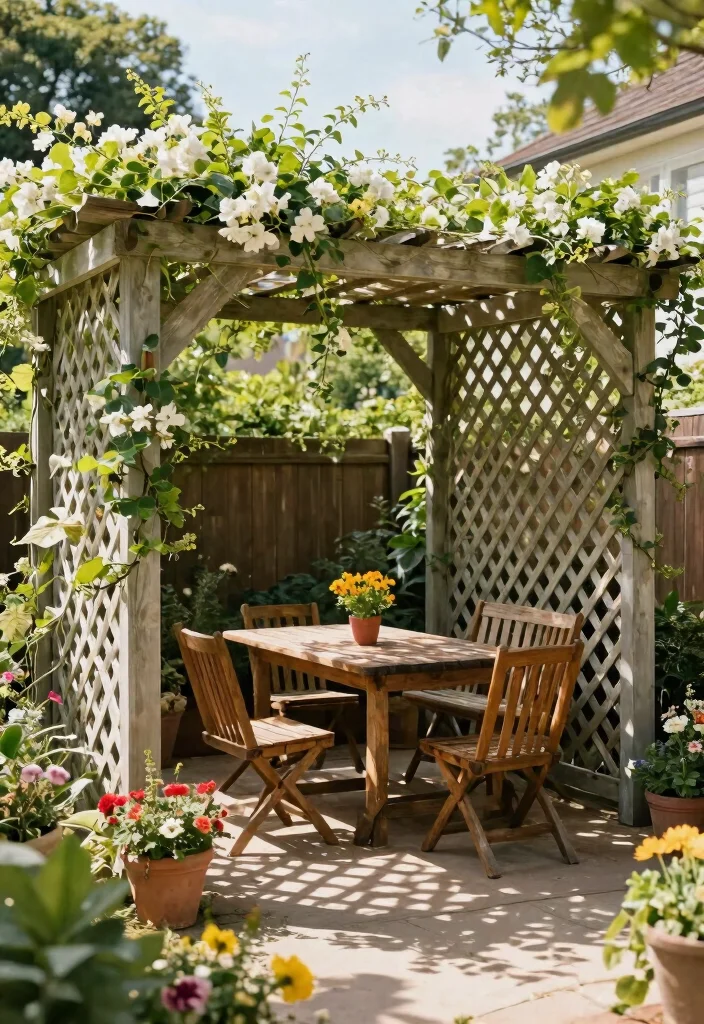
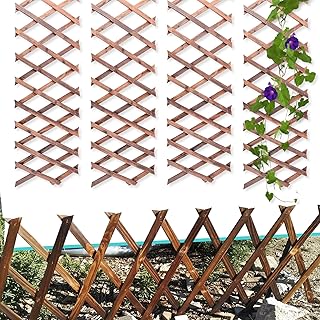
A lattice shade structure is an attractive and versatile way to create partial shade in your yard. Its grid-like design allows air circulation while casting gentle shadows below. Building one can be an enjoyable DIY project and provides a great framework for climbing plants.
Construct the lattice using wood or repurpose old fence panels for a sustainable option. Once built, plant trailing flowers or vines to weave through the lattice, enhancing both beauty and shade over time.
Key ideas for your lattice structure:
– Paint or stain it to match your outdoor aesthetic.
– Secure climbing plants early for quicker coverage.
This structure not only provides shade but also adds an artistic flair to your garden, creating a delightful escape.
❝ These diy awning ideas shine when a lattice shade structure goes up—airy, strong, and simple to build. Plant trailing vines to weave through the grid, boosting shade over time. Pro tip: repurpose old fence panels for a sustainable, budget-friendly frame.
Lattice Shade Structure
Editor’s Choice



8. DIY Canvas Awning
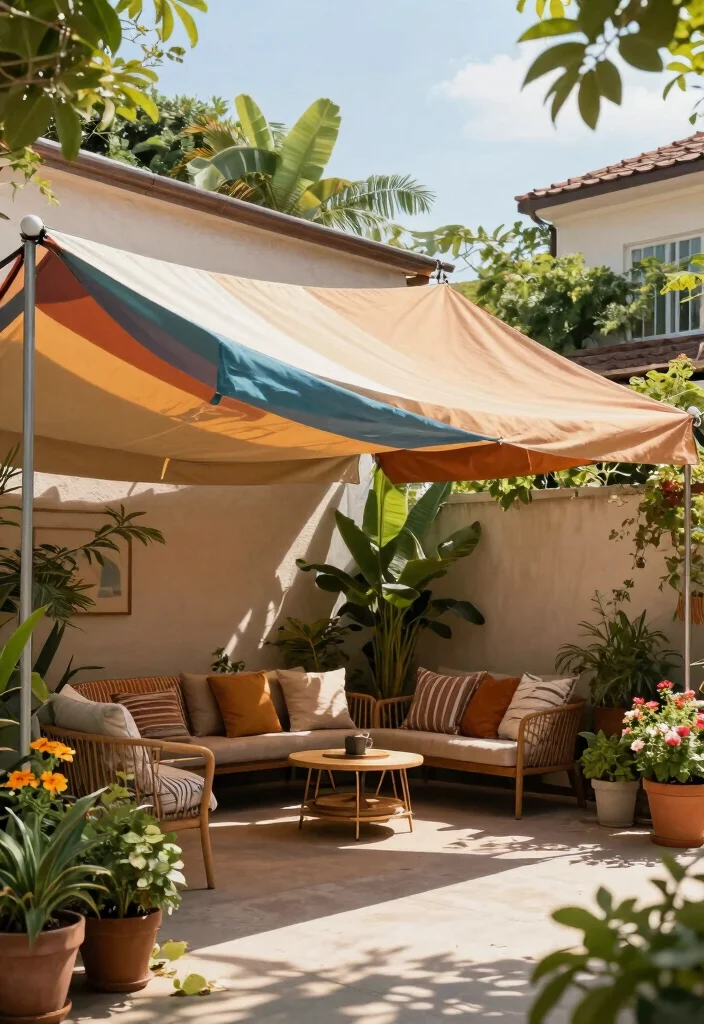
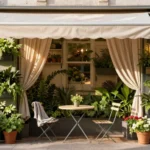
Creating a DIY canvas awning is a smart way to offer shade while adding charm to your outdoor space. Use heavy-duty outdoor canvas in various colors or patterns to match your garden theme. The construction involves a simple frame of PVC pipes or wood, allowing you to pull and secure the canvas easily.
This option provides extensive coverage while being lightweight and removable for storage during harsh weather. Plus, canvas awnings are customizable, making them versatile for any setting.
Crucial tips for your canvas awning:
– Waterproof the canvas for added protection against the elements.
– Consider adding side flaps for extra sun coverage.
A DIY canvas awning provides both functional shade and a personalized touch, enriching your outdoor living experience.
DIY Canvas Awning
Editor’s Choice


9. Trellis with Climbing Plants
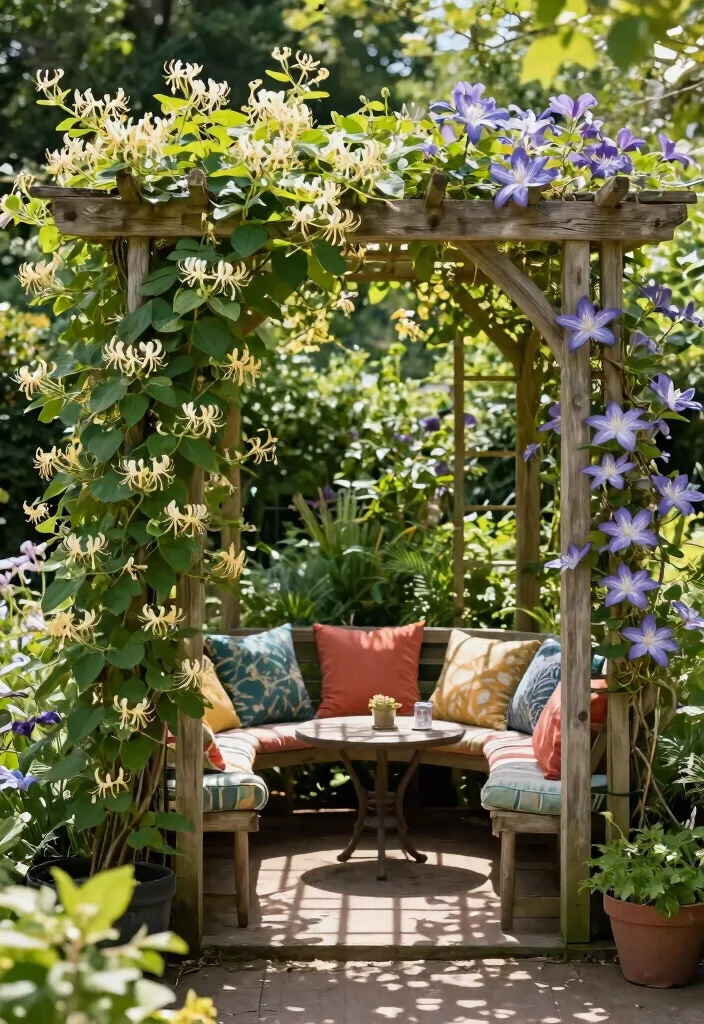
A trellis adorned with climbing plants is a timeless and effective way to create shade in your backyard. This option not only provides cover but also enhances the beauty of your garden. You can build a trellis from wood or metal, making it freestanding or wall-mounted.
Once built, plant climbing vines like honeysuckle or clematis that will gracefully ascend the trellis, providing coverage and delightful fragrance. The beauty of this approach is that it evolves over time, allowing you to enjoy the gradual transformation as your plants grow.
Essential tips for your trellis:
– Ensure it’s sturdy enough to support mature plants.
– Select plants that thrive in your local climate for optimal growth.
A trellis creates an enchanting garden feature, becoming more magical as the plants flourish.
Difficulty Rating & Requirements
Overall Difficulty Rating: Medium
Creating your own DIY awning can be a fun and rewarding project, but it does require some planning and basic building skills. This project is suitable for homeowners with a moderate level of DIY experience. If you’ve tackled smaller projects before, you’ll likely find this achievable, but beginners might need extra guidance.
Time Estimate:
⏱ Estimated time: 4-8 hours
The time required varies based on the type of awning you choose. Here’s a rough breakdown:
– Planning and Design: 1-2 hours
– Gathering Materials: 1-2 hours
– Construction: 2-4 hours
– Finishing Touches: 1 hour
Skill Requirements:
– Required skills: Basic woodworking, measuring, and assembly.
– Beginner-friendly: No, but it can be a learning experience. If you are willing to follow instructions and seek help, you can work through the challenges.
– Skills that can be learned: Measuring and cutting wood or fabric, assembling structures, basic painting, or staining techniques. Skills requiring experience include advanced carpentry or electrical work if you want to add lighting.
Tools & Materials Needed:
🧰 Essential items checklist:
– Measuring tape (Required)
– Saw (Required)
– Drill (Required)
– Screws and fasteners (Required)
– Wood or fabric for the awning (Required)
– Level (Optional but helpful)
– Paint or stain (Optional)
– Safety glasses (Required)
Step-by-Step Overview:
– 1. Planning and Design: Spend 1-2 hours sketching the awning layout and determining what materials you need. Consider the style that fits your backyard.
– 2. Gathering Materials: Allow 1-2 hours to buy or collect your materials. Look for budget-friendly options like recycled pallets or fabric scraps.
– 3. Construction: This phase takes the most time (2-4 hours). Use your measuring tape to ensure accuracy. Cut and assemble the structure according to your design.
– 4. Finishing Touches: Spend around 1 hour painting or staining your awning for protection and aesthetics. Let it dry completely before use.
Professional vs DIY:
Hiring a professional to install an awning can cost anywhere from $1,000 to $5,000, depending on the size and material. In contrast, a DIY approach can bring your costs down to as little as $100-$500. If you’re comfortable with basic tools and have a clear plan, DIY can be a fantastic and budget-friendly solution. However, if you’re unsure about your skills or lack the time, hiring a professional might be the right choice for you.
10. Vintage Umbrellas
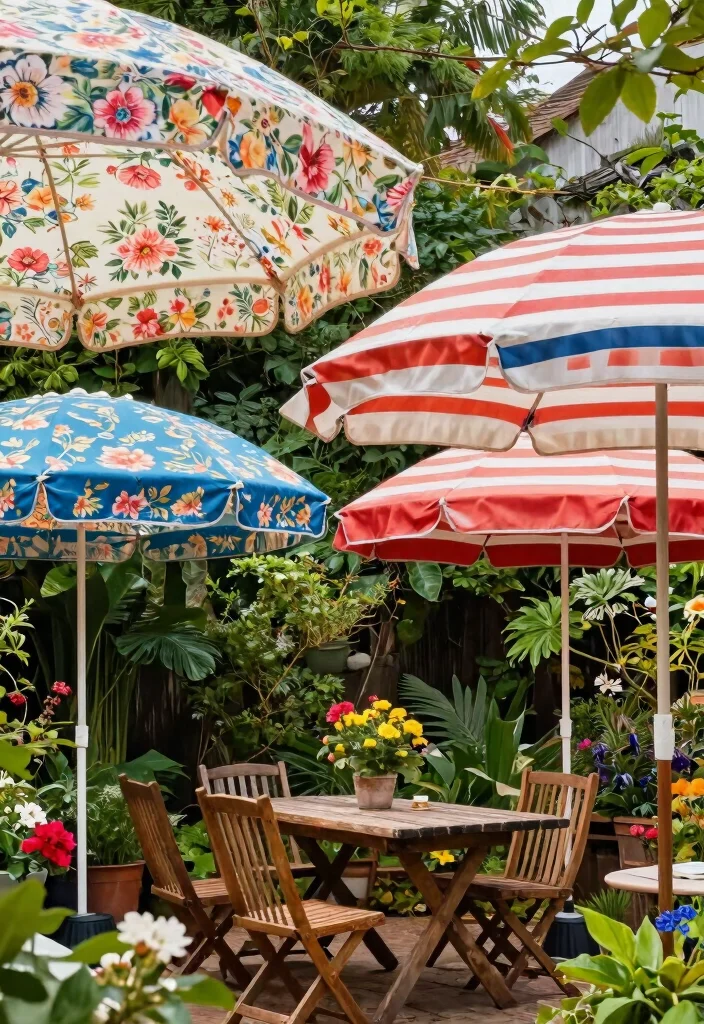
For a whimsical touch, consider using vintage umbrellas as a playful shade solution for your backyard. They add character and vibrant color to your outdoor space. You can often find antique umbrellas at thrift stores or flea markets, or even repurpose old ones you have.
Position them thoughtfully over seating areas or pathways to create charming shaded spots. This fun and stylish approach keeps you cool on sunny days while contributing to a quirky outdoor aesthetic.
Important considerations for your vintage umbrellas:
– Ensure they are securely placed to withstand windy conditions.
– Mix and match different styles and colors for a bohemian vibe.
This playful solution creates an inviting atmosphere, perfect for summer gatherings or quiet afternoons.
Fun fact: Vintage umbrellas can slash sun exposure while boosting color—no new materials needed. Scout thrift shops for unique finds and position them over seating to build instant shade. It’s a simple, eco-friendly diy awning ideas moment you can implement this weekend.
11. Natural Shade Trees
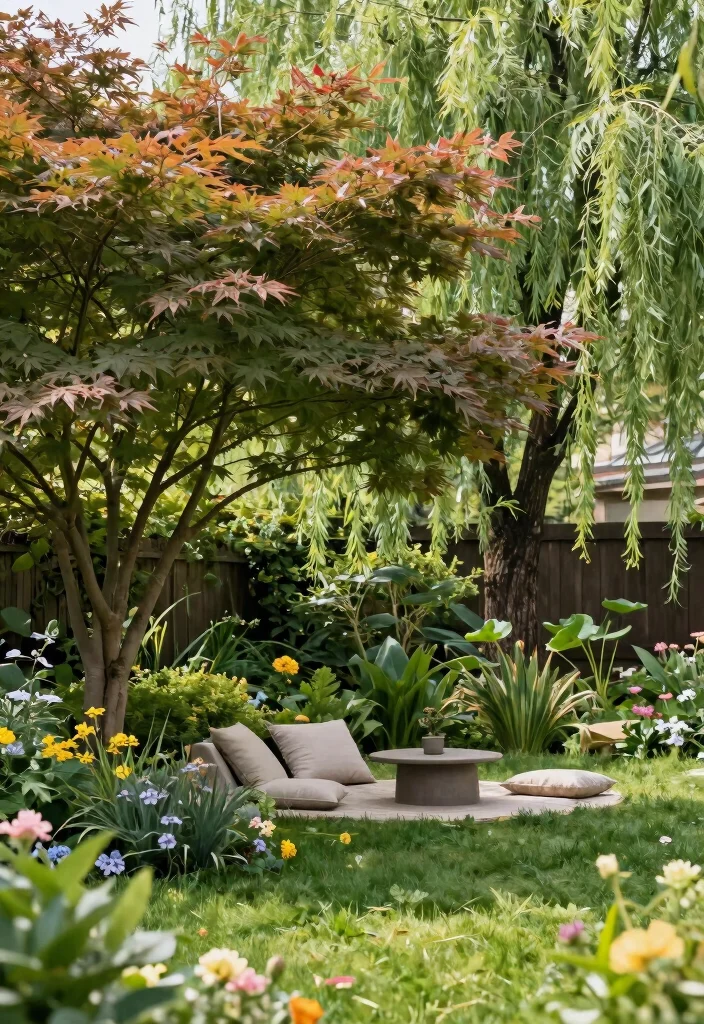
Planting trees is one of the most beautiful and sustainable ways to create shade in your backyard. Choose native species that thrive in your local climate for the best results. Over time, these trees will provide shade while enhancing the ecosystem by improving air quality and supporting local wildlife.
For quick results, consider fast-growing varieties like maples or willows. Additionally, trees can add value to your property while enriching your garden’s aesthetic appeal. Be sure to plan their placement carefully to maximize shade and complement your existing landscape.
Key points for selecting trees:
– Differentiate between deciduous and evergreen trees for year-round shade.
– Create seating areas around your trees for an enhanced outdoor experience.
Natural shade trees not only provide coverage but also foster a serene atmosphere, allowing you to connect more deeply with nature in your backyard.
Natural Shade Trees
Editor’s Choice


Conclusion
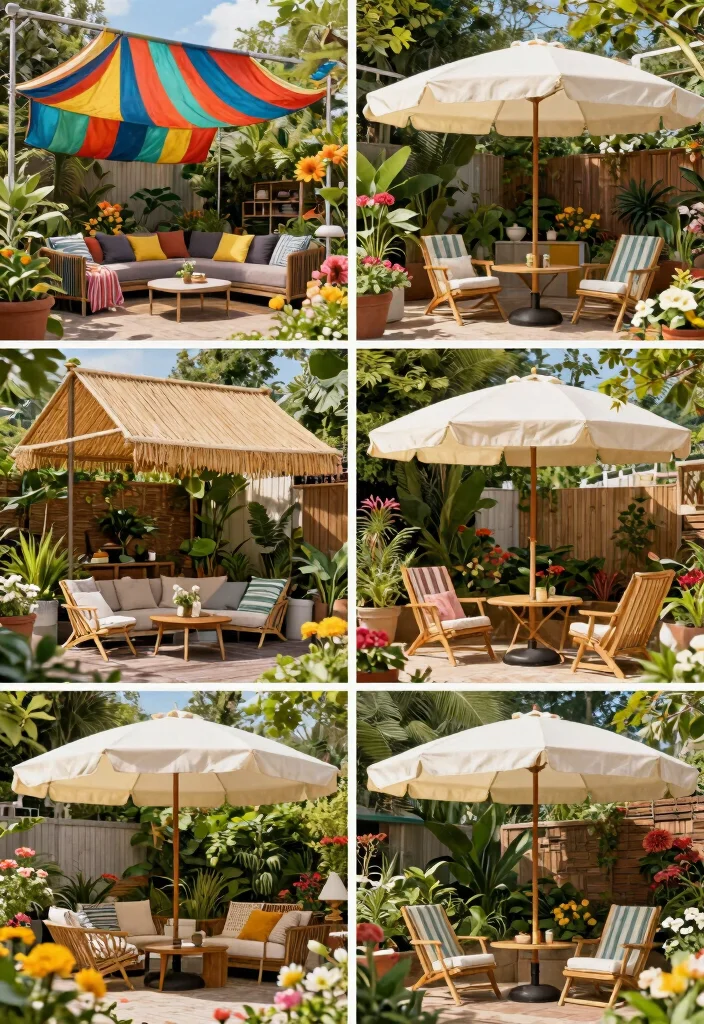
With these eleven practical DIY awning ideas, you can easily transform your backyard into a shady oasis that aligns with sustainable gardening practices. Each idea offers flexibility and charm, serving as functional shade solutions that enhance your outdoor living spaces. Choose your favorites and start crafting your own eco-friendly awnings today!
Integrating these concepts will not only provide comfort from the sun but also enrich your garden’s beauty and functionality, encouraging you to spend more time outdoors.
Note: We aim to provide accurate product links, but some may occasionally expire or become unavailable. If this happens, please search directly on Amazon for the product or a suitable alternative.
This post contains Amazon affiliate links, meaning we may earn a small commission if you purchase through our links, at no extra cost to you.
Frequently Asked Questions
What are practical diy awning ideas for a shady backyard on a budget?
Here are practical diy awning ideas that bring shade to a shady backyard without breaking the bank.
1) budget-friendly awnings using shade sails attached to sturdy posts: quick install, removable for winter; choose UV-stable fabric for longevity.
2) Reclaimed timber frame with a weatherproof fabric or shade cloth: creates a garden shade structures vibe and a warm, natural look.
3) Lightweight arch or pergola with UV fabric or polycarbonate panels: adds structure and defines outdoor living spaces.
4) Repurposed canvas or recycled pallets stretched over a frame: ultra-budget option for creative patio covers.
Tips: align colors with your landscape, consider drainage and wind, and anchor securely to ensure backyard shade solutions last season after season.
How can I design eco-friendly backyard shade solutions using diy awning ideas?
Going green is easy with diy awning ideas. Build eco-friendly backyard shade solutions using upcycled or natural materials: bamboo or reclaimed timber frames, breathable fabric, and low-VOC paints.
Tip: orient shade to maximize cooling during the hottest hours, use light-colored fabrics to reflect heat, and attach a simple rain barrel to catch runoff for garden use.
Finish with solar-powered lighting or fans to improve outdoor living spaces without wasting energy.
What should I consider when choosing a garden shade structure?
Start with climate, sun path, and prevailing winds. Then think about durability and maintenance: material choices (aluminum, wood, fabric), weather resistance, and how easy it is to clean. Consider space and anchoring, how the structure integrates with existing garden shade structures and creative patio covers, and any local permits. Budget and installation effort matter too; plan for modular options if you want flexibility.
Is it possible to install a diy awning idea without professional help?
Absolutely, many diy awning ideas are doable with basic tools and a little planning. Start by measuring your spot, choosing a frame that suits wind loads, and picking a fabric rated for outdoor use. Gather materials and follow a simple safety checklist: level posts, secure anchors, waterproof seams, and storm-safe installation. If you live in a windy area or need a more permanent structure, you might want to consult a pro for anchoring or local code compliance. This approach can still yield budget-friendly awnings that enhance backyard shade solutions and creative patio covers.
How can I blend diy awning ideas with plants to improve shade and outdoor living spaces?
Pair your diy awning ideas with living greenery for a cooler microclimate. Use trellises or pergolas to train climbing plants like grapes, wisteria, or jasmine; add potted herbs or small trees in the shade zones. Deciduous vines give seasonal shade, while evergreen options maintain structure. Add planters with shade-tolerant plants under the awning to create a cohesive garden shade structures feel. This boosts creative patio covers from simple fabric canopies to lush, living shade that invites lounging and outdoor cooking.