Gardening has been a passion of mine for years, but lately, I’ve found myself craving fresh herbs right from my kitchen. There’s something magical about snipping a few leaves of basil or rosemary while cooking. If you’re someone who loves adding fresh flavors to your meals or simply enjoys the charm of an indoor garden, this post is for you.
I’ve put together 9 useful kitchen window box ideas that will help you grow fresh herbs in even the smallest of spaces. These ideas are not only practical but also add a splash of green to your kitchen. You’ll discover creative ways to maximize your space, choose the right containers, and keep your herbs thriving. Whether you’re a seasoned gardener or just starting out, these tips will inspire you to cultivate your own indoor herb garden right on your windowsill.
Get ready to explore container gardening ideas that transform your kitchen into a vibrant herb haven. With these suggestions, you won’t just get fresh ingredients; you’ll also create a cozy atmosphere that enhances your cooking experience. Let’s dive in!
Key Takeaways
– Maximize Space: Utilize vertical space with multi-tiered herb boxes or wall-mounted planters to grow a variety of herbs without taking up precious counter space.
– Creative Containers: Repurpose everyday items like teacups and mugs for a charming, personalized touch while also showcasing your unique style in the kitchen.
– Garden Kits: Consider kitchen herb garden kits that provide everything you need for easy and successful indoor herb gardening, from seeds to instructions.
– Hydroponic Options: Explore the benefits of hydroponic herb gardens, which require less soil and can grow herbs faster, making them perfect for small spaces.
– Seasonal Planting: Rotate your herbs seasonally to enjoy a diverse range of flavors year-round while keeping your window box fresh and exciting.
1. Multi-Tiered Herb Box
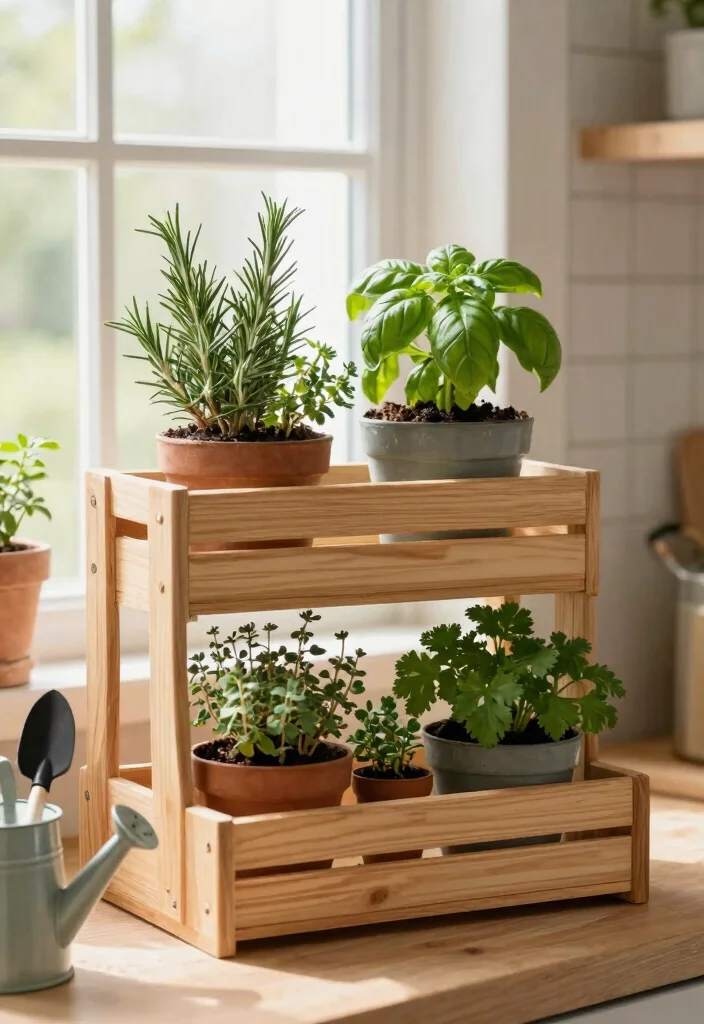
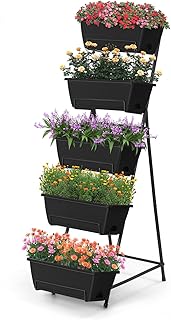
Are you short on space but still want a flourishing herb garden? A multi-tiered herb box can be your best friend! This creative solution utilizes vertical space, allowing you to grow a variety of herbs while keeping your counters clear.
Stack small pots in a stylish wooden or metal frame for easy access and a dash of décor. Consider pairing complementary herbs like rosemary and thyme on one tier and basil and parsley on another for a harmonious look.
Herb Gardening Tips: Place the box near a bright window to ensure each tier receives plenty of sunlight. Rotate your pots every few days for balanced growth, and keep the soil consistently moist without letting it dry out. This charming setup not only organizes your herbs but also keeps them healthy and thriving!
Multi-Tiered Herb Box
Editor’s Choice




2. Colorful Container Combinations
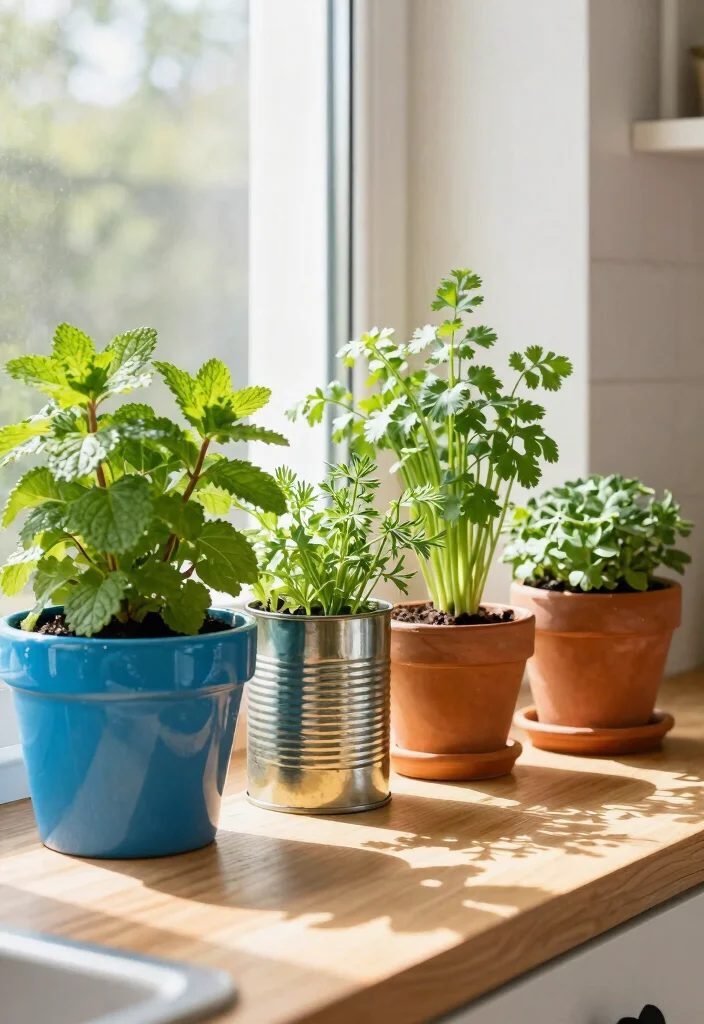
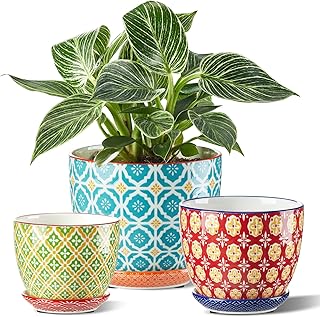
Looking to brighten up your kitchen with a burst of color? Using a variety of colorful containers for your herbs can instantly liven up your space. Mixing different sizes and shapes, like terracotta pots and chic ceramic bowls, creates an inviting atmosphere.
Imagine vibrant mint in a cobalt blue pot and chives in a vintage tin can. The rich greens of the herbs against the colorful containers create a delightful visual feast.
Indoor Herb Garden Idea: Group your pots based on themes like Mediterranean or Asian herbs for a more organized look. You could even label each pot for easy identification, making herb usage more fun and engaging. This approach not only beautifies your kitchen but also inspires creativity in your cooking!
Colorful Container Combinations
Editor’s Choice




How To Choose The Right Kitchen Window Box
Choosing the right kitchen window box for your herb garden is crucial for successful herb growth. The right selection enhances both aesthetics and functionality. Here are some key factors to consider before making your choice:
1. Size
Consider the space you have available in your kitchen. Measure the width and height of your window sill. A standard window box ranges from 24 to 36 inches in length. Ensure you select a box that fits comfortably, allowing adequate sunlight for your herbs while providing enough depth for root growth.
2. Material
Kitchen window boxes come in various materials like wood, plastic, ceramic, and metal. Wooden boxes offer a rustic look but may require sealing to prevent rot. Plastic is lightweight and often more affordable but can fade over time. Ceramic adds a decorative touch but may be heavier. Choose a material that suits your style and climate needs.
3. Drainage
Proper drainage is essential for herb health. Look for boxes with drainage holes to prevent water from pooling at the bottom. If your chosen box doesn’t have holes, consider adding them or using a liner to help with drainage. Herbs thrive in well-draining soil, so this feature is non-negotiable for a successful indoor herb garden.
4. Style
Your kitchen window box should complement your kitchen’s decor. Whether you prefer modern, traditional, or bohemian styles, choose a design that matches your aesthetic. A colorful container can brighten up the space, while a classic wooden box offers a timeless appeal. Consider how the box’s style will enhance your indoor herb garden.
5. Cost
Determine your budget before selecting a window box. Prices can range from affordable plastic options to higher-end decorative ceramics. Set a reasonable budget that allows for quality without breaking the bank. Remember, investing in a good box can benefit your herb growth in the long run.
6. Compatibility with Herbs
Not all herbs have the same requirements. Consider the herbs you want to grow and choose a box that can accommodate their needs. For example, basil and parsley prefer deeper boxes, while chives can thrive in shallower containers. Research your chosen herbs to ensure they are compatible with the size and type of your window box.
Pro Tip: To maximize growth potential, consider the sunlight exposure of your window. South-facing windows typically provide the best light for herbs, so position your window box accordingly. Regularly rotate your plants to ensure even growth across all herbs.
Choosing the right kitchen window box can transform your indoor herb gardening experience. By considering size, material, drainage, style, cost, and compatibility, you’ll be on your way to a thriving herb garden right in your kitchen. Enjoy the process and happy gardening!
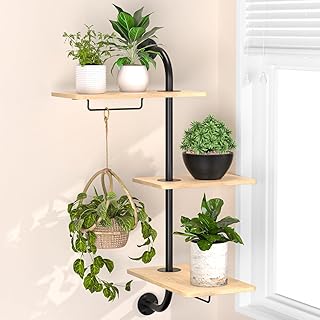
3. Wall-Mounted Planters
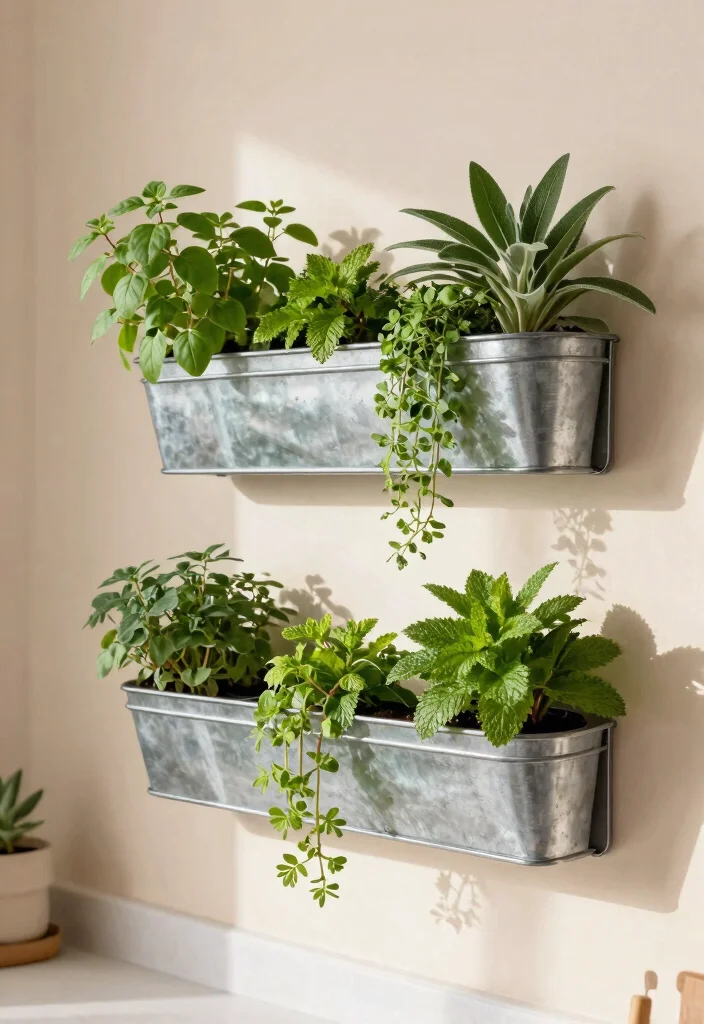
Want to add greenery to your kitchen without taking up counter space? Wall-mounted planters are the perfect solution! These stylish planters can be installed above your sink or on any available wall, creating a stunning display of herbs.
Available in various designs, from sleek modern to rustic charm, wall-mounted planters can showcase herbs that thrive in bright light, like oregano, mint, and sage, cascading beautifully.
Container Gardening Idea: Regularly check the soil’s moisture, as these planters can dry out faster. A drip tray beneath can catch excess water and prevent messes. With wall-mounted planters, your herbs become a stunning part of your kitchen décor while being easily accessible for cooking!
Wall-Mounted Planters
Editor’s Choice




4. Repurposed Teacups and Mugs
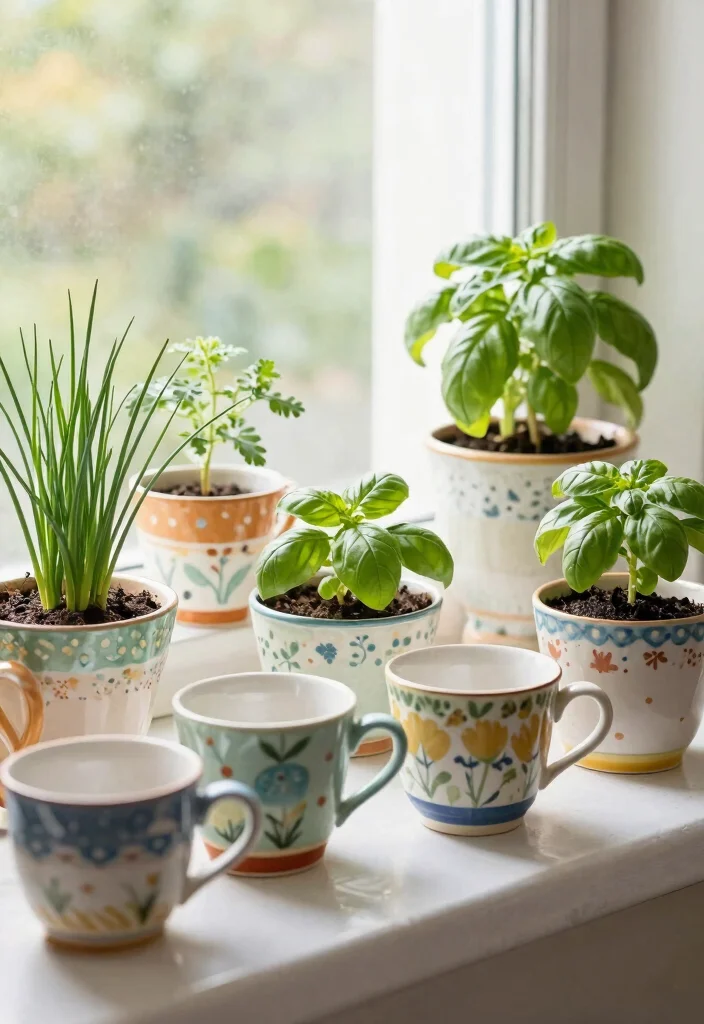
Have some old teacups or mugs lying around? Why not transform them into charming herb pots? This quirky idea adds a playful touch to your kitchen while giving new life to forgotten crockery.
Mix and match mismatched cups for a whimsical look, planting herbs like chives, basil, or tiny succulents. Just remember to add drainage holes or pebbles at the bottom to prevent water pooling.
Indoor Herb Gardening Tips: These smaller containers need more frequent watering, so keep an eye on moisture levels. Rotate them for even sunlight exposure. This method is perfect for herb lovers who want to infuse their kitchen with a dash of fun!
Old teacups aren’t junk—they’re tiny herb pots in disguise. Add drainage holes and a few pebbles, then plant chives or basil for playful, practical kitchen window box ideas you can harvest in weeks.
5. Kitchen Herb Garden Kits
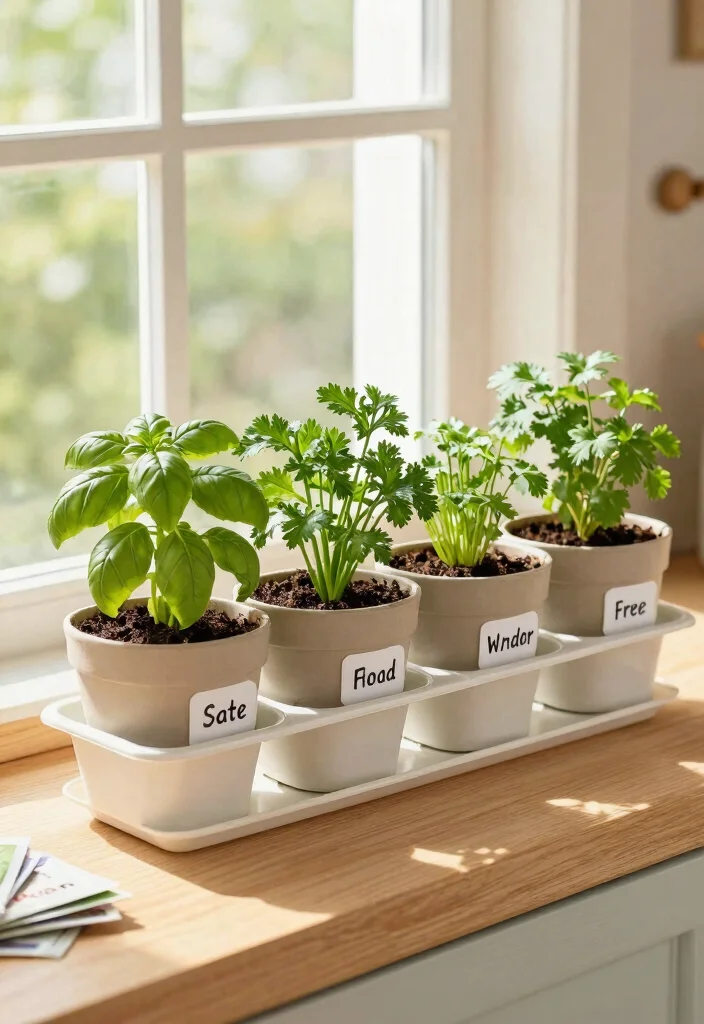
If convenience is what you seek, herb garden kits are an excellent way to kickstart your indoor gardening adventure. These all-in-one kits come with seed packets, soil, and containers, making it a breeze to grow your favorite herbs from scratch.
Just set up your kit on the windowsill and watch the magic unfold as tiny seeds turn into lush plants. Great for beginners, these kits often include easy-to-follow instructions to help ensure your success.
Herb Gardening Tips: Most kits feature herbs that thrive indoors. Always read the instructions for optimal light and watering conditions. This is also a great way to involve kids in gardening, turning your kitchen into a mini farm!
6. Vertical Garden Shelves
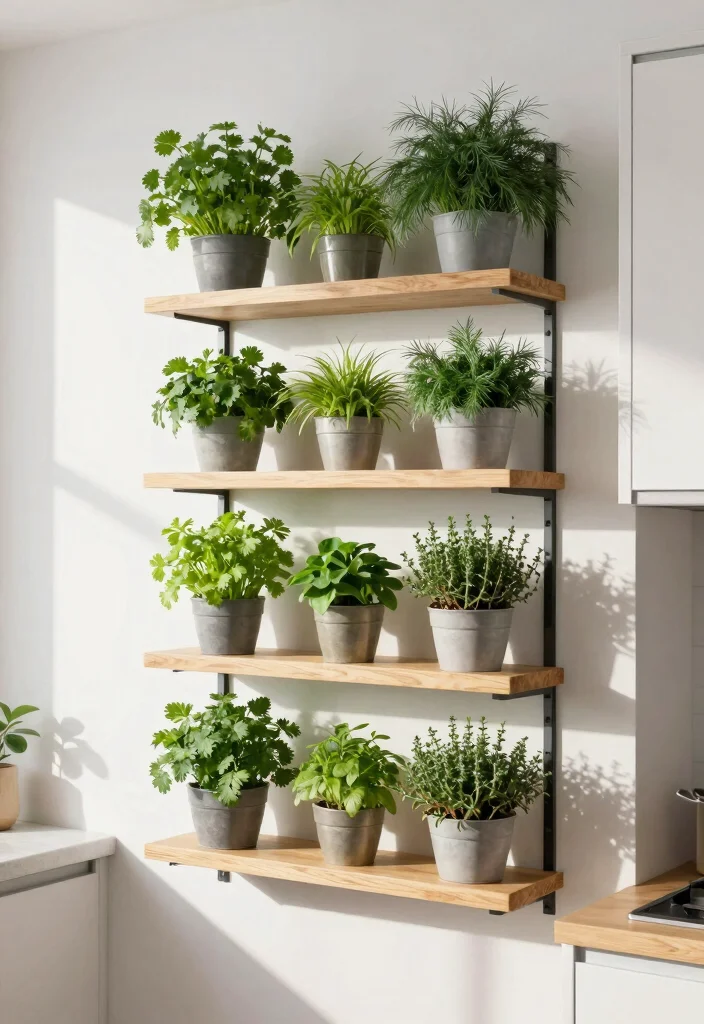
Want to create a mini herb sanctuary in your kitchen? Vertical garden shelves can turn any wall into a thriving herb garden! These shelves are perfect for placing several pots, making it both efficient and visually appealing.
Play with different shelf heights to add dimension and plant a variety of herbs that match your cooking style. Imagine having fresh cilantro and dill just an arm’s reach away for your next culinary creation!
Container Gardening Ideas: Opt for lightweight pots to prevent overloading the shelves. Adding a drip tray can save your walls from water stains. This setup not only enhances your cooking experience but also serves as a unique decorative feature!
Fun fact: a vertical garden shelf can squeeze 6–9 herb pots into a single wall. This setup can deliver up to 2x more fresh cilantro, dill, and basil within arm’s reach for your kitchen window box ideas.
Vertical Garden Shelves
Editor’s Choice



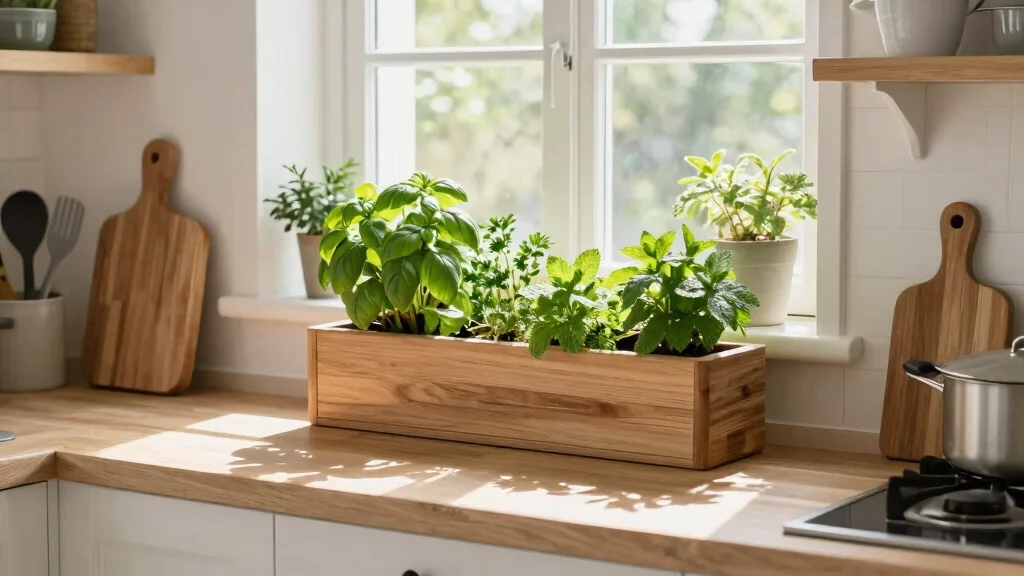
7. Classic Wooden Window Box
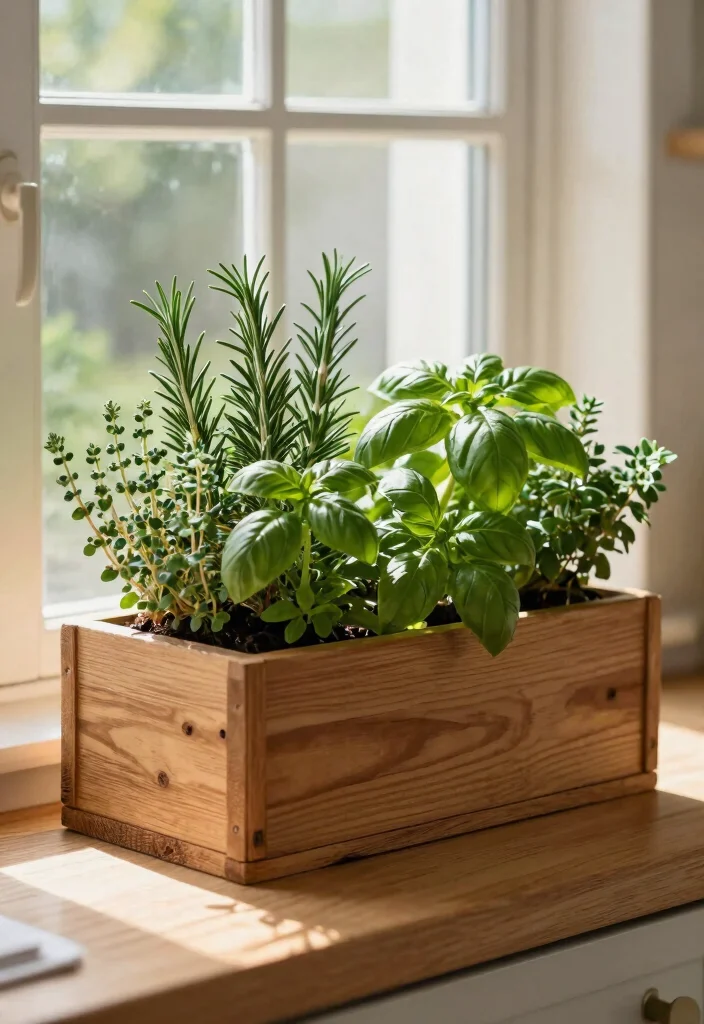
There’s something timeless about a classic wooden window box filled with fresh herbs. This charming option is perfect for kitchens with a rustic or vintage flair.
Place the box directly on your windowsill, ensuring it gets plenty of sunlight throughout the day. Growing herbs like rosemary, basil, and thyme together creates a flavorful mix ready for various dishes.
Indoor Herb Gardening Tips: Regularly inspect for pests and water adequately. Wooden boxes can retain moisture differently, so be mindful of the soil’s dryness. This setup not only provides easy access to fresh herbs but also becomes an eye-catching centerpiece in your kitchen!
Fun fact: In a sunny kitchen, a classic wooden window box can boost herb yield by about 30% compared with small pots. Keep it on the sill for easy access to rosemary, basil, and thyme—instant flavors for your kitchen window box ideas.
Classic Wooden Window Box
Editor’s Choice


8. Hydroponic Herb Garden
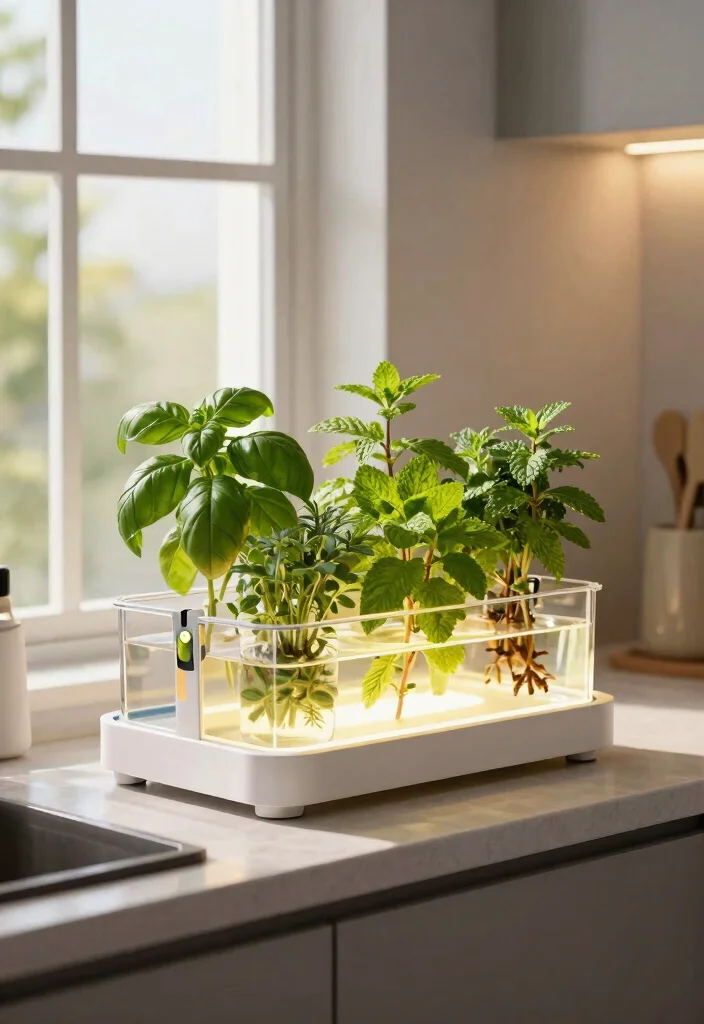
Want to try something innovative? A hydroponic herb garden allows you to grow plants without soil, using nutrient-rich water instead! Many modern hydroponic systems are compact enough to fit on a kitchen windowsill.
This method can lead to faster growth and higher yields, letting you cultivate a variety of herbs like basil, mint, and oregano effortlessly. Imagine having fresh herbs at your fingertips, all without the mess of soil!
Container Gardening Idea: Many hydroponic systems come with built-in grow lights, perfect for kitchens with low natural light. Remember to regularly check water levels and nutrient solutions for optimal growth. This approach makes herb gardening sleek, efficient, and enjoyable!
9. Seasonal Herb Rotation
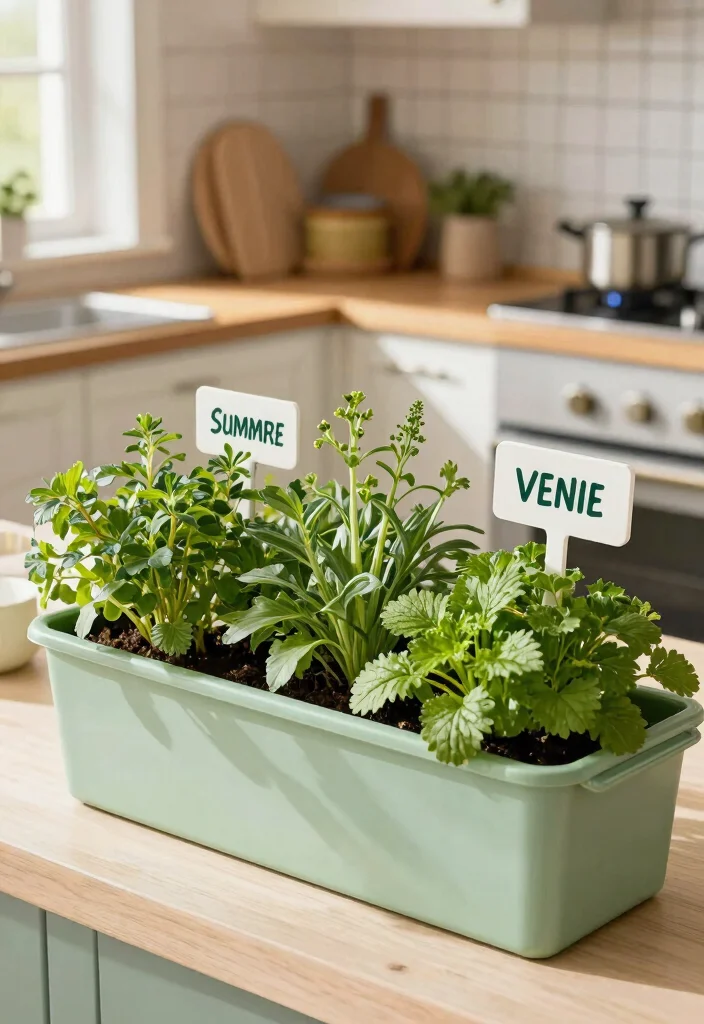
Want to keep your kitchen herb garden dynamic? Seasonal herb rotation is a smart way to enjoy fresh herbs year-round! Plant seasonal herbs like basil in the summer, and switch to cilantro or thyme as temperatures cool.
This practice not only optimizes growth but also keeps your culinary adventures exciting. You won’t be limited to just a few herbs, leading to a richer and more varied cooking experience!
Herb Gardening Tips: Keep a simple calendar to track your planting schedule. This will help you plan meals around the herbs you have growing. Seasonal rotation keeps your kitchen lively and ensures your meals are always fresh!
Conclusion
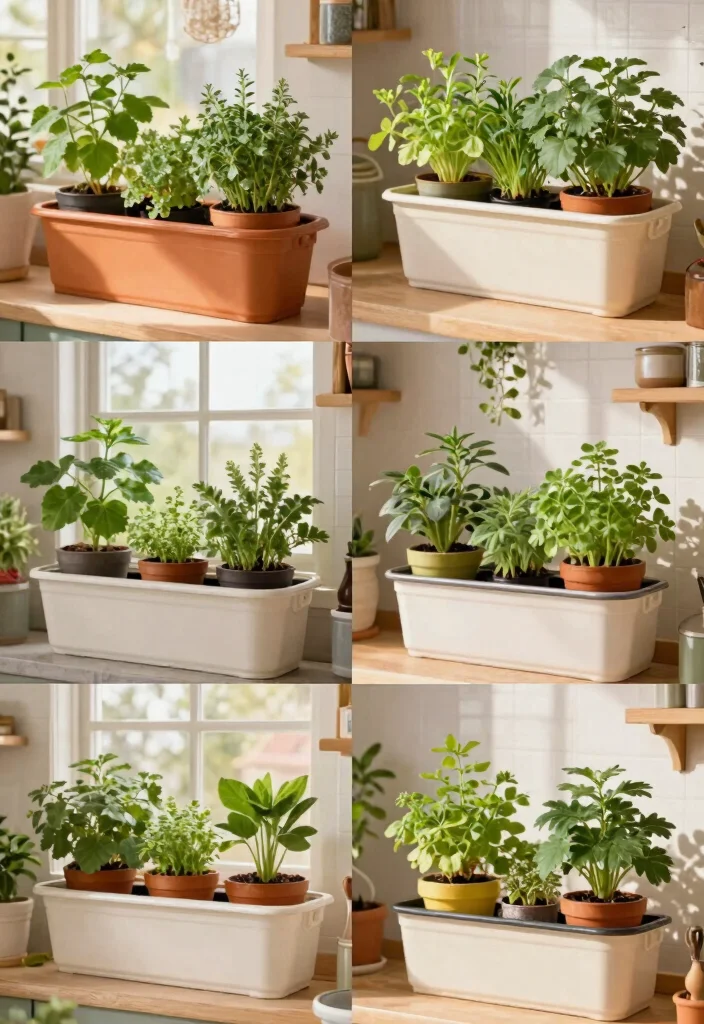
Incorporating a window box filled with fresh herbs into your kitchen not only enhances your cooking but also adds a personal touch to your home.
With these nine ideas, you can easily elevate your indoor herb gardening game and make the most of your small space. Whether you opt for colorful containers, wall-mounted planters, or a traditional wooden box, each choice offers a unique charm.
Start experimenting with these concepts and enjoy the thrill of growing your own fresh herbs right at home!
Note: We aim to provide accurate product links, but some may occasionally expire or become unavailable. If this happens, please search directly on Amazon for the product or a suitable alternative.
This post contains Amazon affiliate links, meaning we may earn a small commission if you purchase through our links, at no extra cost to you.
Frequently Asked Questions
What are the most effective kitchen window box ideas for growing fresh herbs in a small urban space?
Kitchen window box ideas open up fresh herbs right at your fingertips. Start with a few compact, sun-loving herbs like basil, parsley, thyme, and chives. Choose window boxes at least 6–8 inches deep to support healthy root systems and ensure drainage.
Group herbs by water and light needs so you can water efficiently and harvest without disturbing others. Use a high-quality container potting mix designed for container gardening ideas, with a light topdressing of compost to boost nutrients.
Keep everything within reach on your kitchen sill for easy snipping and seasoning, turning your small space into a productive indoor herb garden with practical kitchen window box ideas.
How can I set up an indoor herb garden in a window box with limited light?
Even with limited light, you can enjoy a thriving indoor herb garden. Place the window box in the brightest spot you have, ideally a south-facing window. If natural light is scarce, supplement with a compact LED grow light on a timer to provide about 12–14 hours of light daily. Use reflective surfaces (white walls or a mirrored backsplash) to bounce light onto the plants. Choose herbs that tolerate lower light, like mint, parsley, and cilantro, and water carefully to prevent soggy roots. With a little artificial light and smart placement, your window box plants can thrive as part of your urban indoor herb garden.
Which window box plants are best for year-round harvest in a kitchen window box?
For year-round harvest, focus on hardy, vigorous herbs suited to container life. Good picks include thyme, oregano, rosemary (in deeper pots), chives, parsley, and basil (seasonally). Keep soil evenly moist but not soggy, and prune regularly to encourage bushy growth. Place your kitchen window box ideas near bright light and rotate varieties to avoid boredom and ensure continuous harvest for a true indoor herb garden.
How do I water and fertilize a window box herb garden without overwatering?
Watering a window box herb garden is all about balance. Check the top inch; if it’s dry, water deeply until you see drainage. Make sure the window box has drainage holes and a tray to catch excess water. In winter, reduce watering as growth slows. Feed every 4–6 weeks with a diluted balanced liquid fertilizer, or use a slow-release fertilizer mixed into the potting soil at planting. For container gardening ideas in small spaces, use a soil mix that drains well yet holds some moisture, and consider a self-watering window box to simplify care.
What are common mistakes in small-space container gardening for herbs and how can I avoid them?
Common mistakes in small-space container gardening include using heavy garden soil in containers, choosing too-small boxes, poor drainage, and not giving plants enough light. Solution: pick a light, airy potting mix designed for containers, select window boxes at least 6–8 inches deep with drainage holes, and place them where they’ll receive ample sun. Water appropriately and group herbs by water needs, harvesting regularly to keep plants productive. Refresh the potting mix each season and keep an eye on rotation so you always have fresh window box plants to snip from.