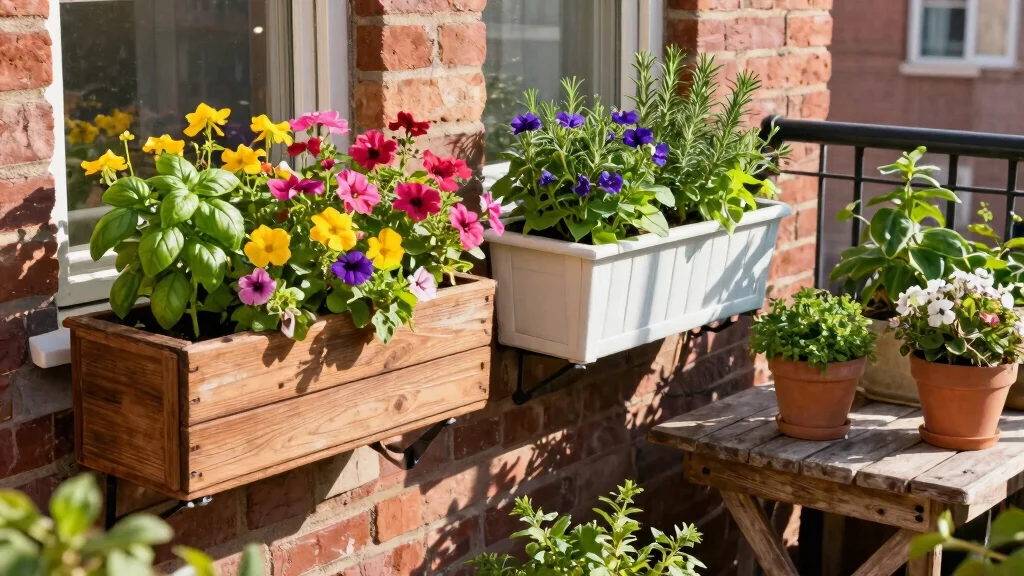
Window box gardening has become a beloved pastime for many, especially for urban dwellers craving a slice of nature right outside their windows. With space constraints in cities, it’s more important than ever to find creative ways to garden. That’s why I put together this guide filled with essential window box gardening strategies. Whether you’re a seasoned gardener or just starting out, these tips will help you cultivate a thriving garden in limited space.
If you love the idea of fresh herbs, vibrant flowers, or even some home-grown veggies, this post is for you. People like you, who care about making the most of small spaces, will find these strategies particularly helpful. I’ve gathered ten solid window box gardening tips that are practical, easy to follow, and perfect for urban gardening enthusiasts. Get ready to transform your window box into a lush, green haven that adds beauty and freshness to your home.
In this guide, you’ll learn about choosing the right containers, selecting the best plants, and ensuring they grow beautifully. Each section will offer actionable advice to help you navigate the joys and challenges of container gardening. With these tips, you’ll be well on your way to enjoying the satisfaction of tending to your own little slice of green, even when space is tight.
Key Takeaways
– Choose the Right Containers: Opt for containers that match your space and the types of plants you want to grow. Make sure they have proper drainage to prevent overwatering.
– Select the Right Plants: Consider your climate and the sunlight your window receives. Pick plants that thrive in your specific environment, from herbs to flowers.
– Use Quality Soil: Invest in good potting soil that provides the necessary nutrients and good drainage for your plants.
– Proper Watering Techniques: Learn how to water effectively, considering factors like weather and plant needs. Too much or too little can harm your plants.
– Embrace Creativity & Style: Don’t be afraid to mix colors and textures in your window box. This adds personality and makes gardening even more enjoyable.
1. Choose the Right Containers
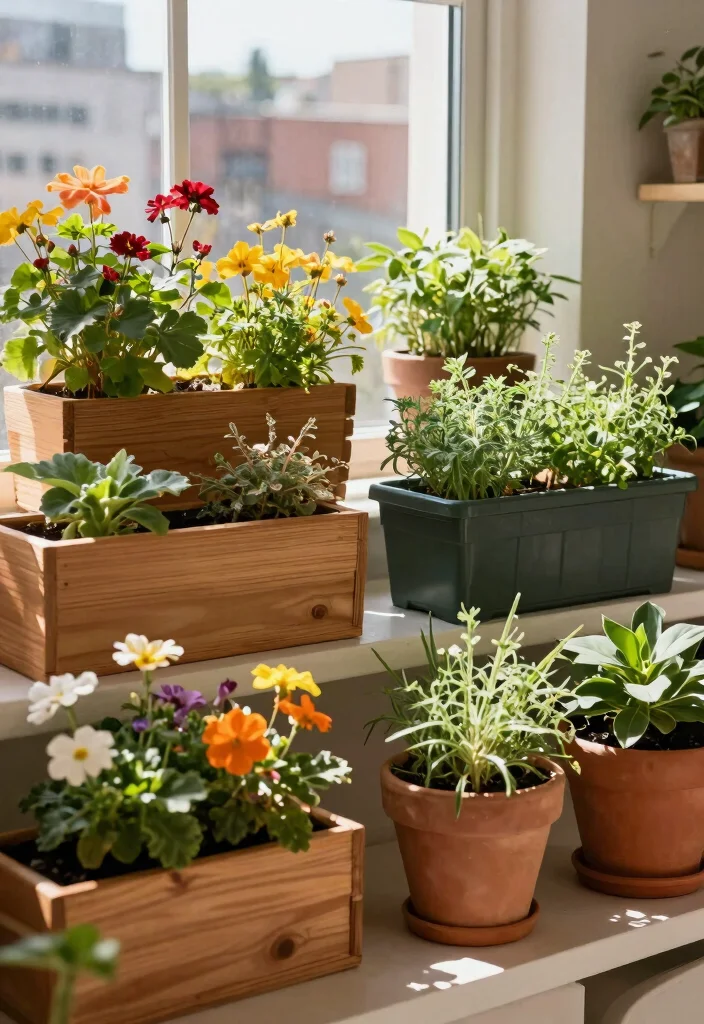
Finding the perfect containers is essential for your window box garden. Think about materials like wood, terra cotta, and plastic—each offering unique benefits. While wooden boxes look beautiful, they require treatment to prevent rot. Terra cotta provides excellent drainage but can dry out quickly. On the other hand, plastic containers are lightweight and budget-friendly, though they might lack that classic charm.
Always ensure your containers have adequate drainage holes to stop water from pooling. Lining the bottom with landscape fabric can help with drainage while keeping soil in check.
Key tips for your container choices:
– Choose self-watering options for low maintenance.
– Opt for larger boxes for more soil and healthier plants.
– Experiment with shapes and colors to enhance your space.
Selecting the right containers can elevate your window box, making it both functional and visually appealing.
2. Select the Right Plants
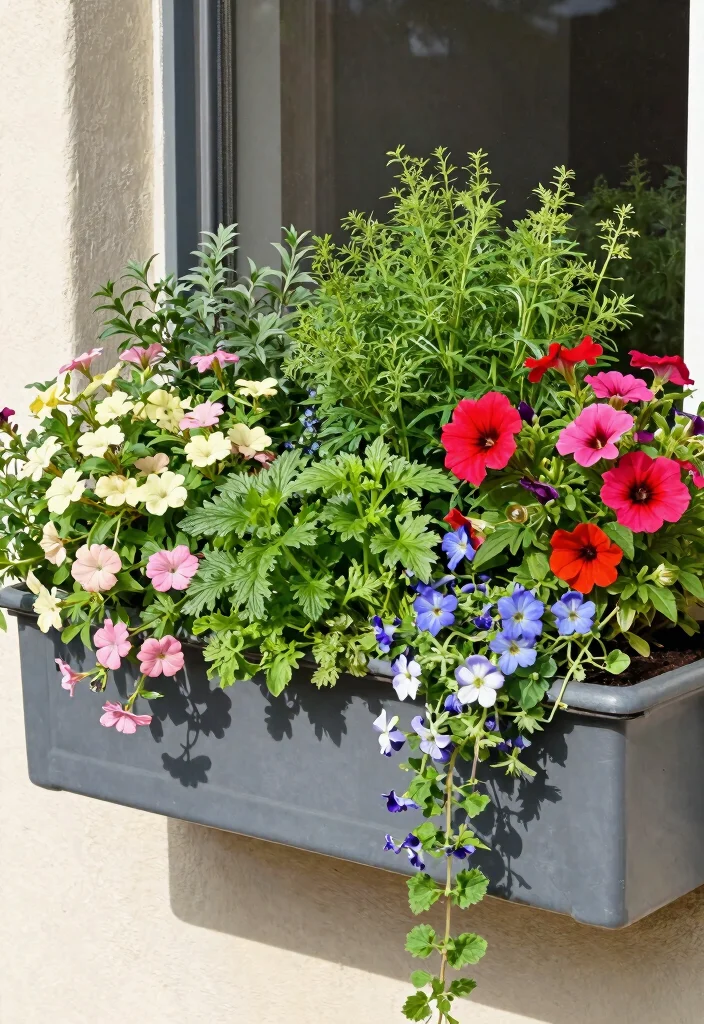
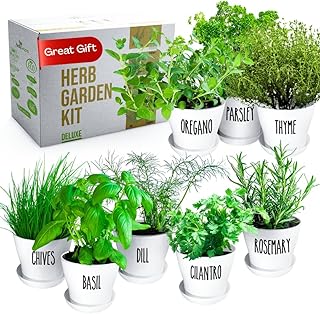
Choosing the right plants is crucial to your window box success. Evaluate your climate zone and how much sunlight your window box gets. If it basks in the sun, herbs like basil, cilantro, and parsley thrive beautifully. For shaded spots, opt for ferns or shade-loving flowers like begonias.
Mixing plants not only creates a stunning visual but also adds culinary benefits. Combining herbs with colorful blooms can bring life to your window box.
Here are some tips to consider:
– Plan for plant height and spread to avoid overcrowding.
– Include trailing plants like ivy for a cascading look.
– Change plants seasonally for fresh displays throughout the year.
A thoughtful selection of plants will make your window box a vibrant habitat that attracts pollinators and delights the eye.
Fun fact: A sunny window box can yield 2x more herbs per square foot than a traditional garden. With smart window box gardening tips, mix basil, cilantro, and parsley for culinary bursts and color in every tray.
Select the Right Plants
Editor’s Choice
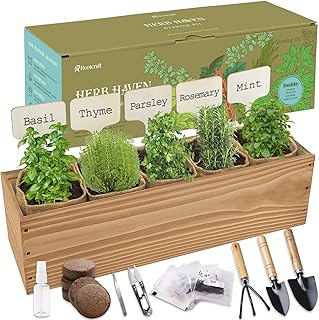




3. Use Quality Soil
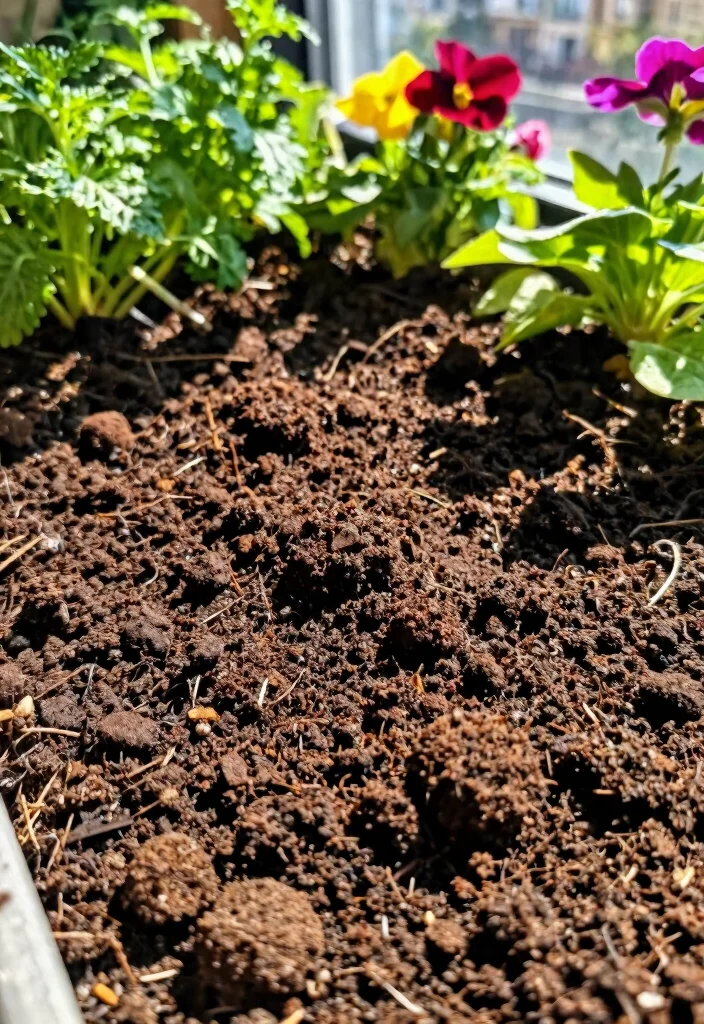
The foundation for healthy plants is quality soil. Choose a potting mix specifically designed for container gardening to give your plants the nutrients they need. Regular garden soil can compact, leading to poor aeration and root problems.
Enhance your soil by adding organic matter like compost or worm castings, which boost nutrients and improve soil structure.
Remember these soil tips:
– Refresh your soil each season to maintain nutrient levels.
– Avoid over-filling containers to keep moisture levels just right.
Quality soil can significantly impact your growth, so make sure to invest in the best mix available!
Great soil is your window box’s best friend. Pair a container-specific potting mix with a yearly refresh, and your window box gardening tips turn into blooming reality.
4. Proper Watering Techniques
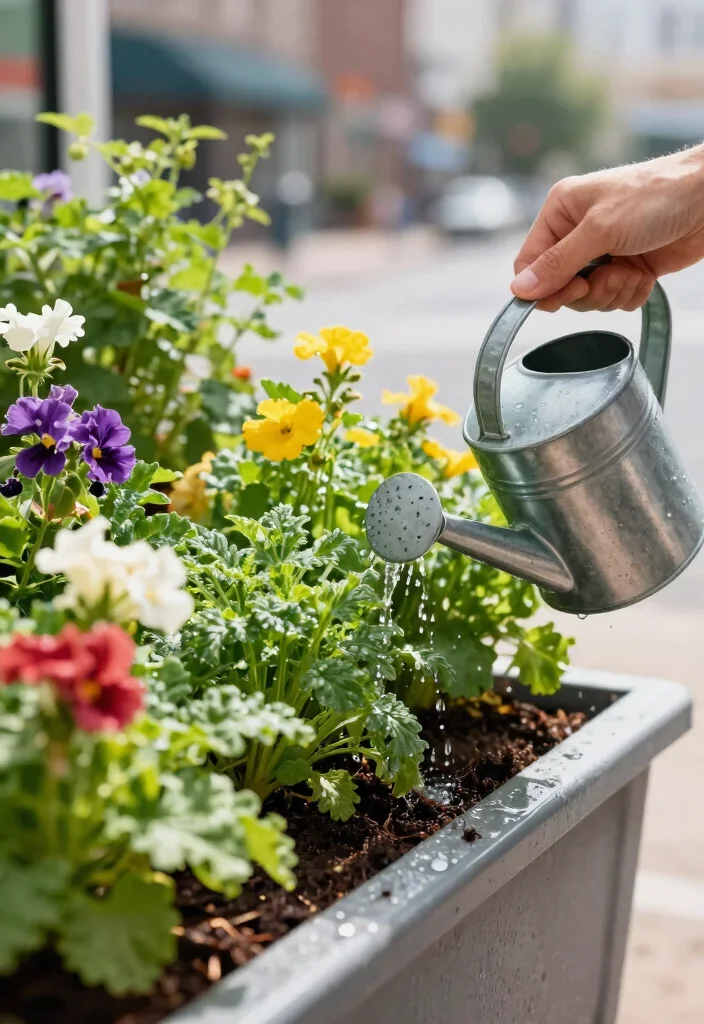
Many new gardeners find watering to be a challenge, but it’s vital for a thriving window box. It’s essential to understand your plants’ watering needs; some prefer to dry out while others like consistent moisture.
Water thoroughly until you see it drain from the bottom, ensuring deep hydration for roots. Regularly check soil moisture by inserting your finger about an inch deep to gauge dryness.
Here are some effective watering strategies:
– Water early in the morning for maximum absorption.
– Consider self-watering systems for those busy days.
Avoid overwatering to prevent root rot; learning your plants’ specific needs will lead to lush growth and vibrant displays.
Watering is the heartbeat of window box gardening tips. Water deeply until it drains, then check moisture about 1 inch deep with your finger daily. Your plants will reward you with vibrant blooms and easier care.
5. Fertilizing for Growth
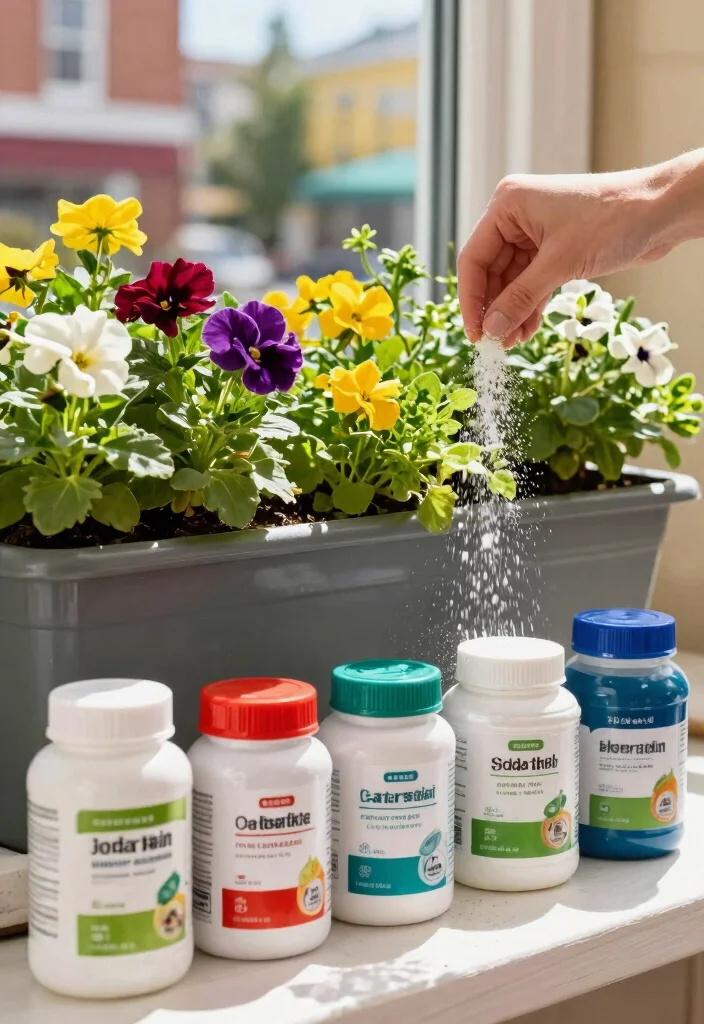
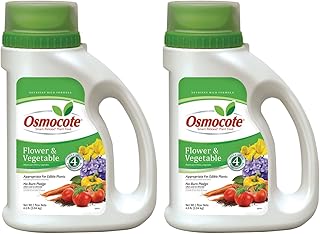
Fertilizing your window box plants can significantly boost their growth. Use a balanced, slow-release fertilizer to deliver essential nutrients. Liquid fertilizers can provide quick nourishment, especially during the growing season.
Follow package instructions closely, as over-fertilizing can damage your plants. Fertilize every 4-6 weeks during the growing season for the best outcomes.
Consider these fertilizing options:
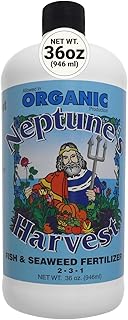
– Explore organic fertilizers like fish emulsion for a natural approach.
– Adjust your fertilizing routine based on plant needs and growth patterns.
Understanding when and how to fertilize can lead to a flourishing window box that dazzles with life.
Fertilizing for Growth
Editor’s Choice



6. Consider Companion Planting
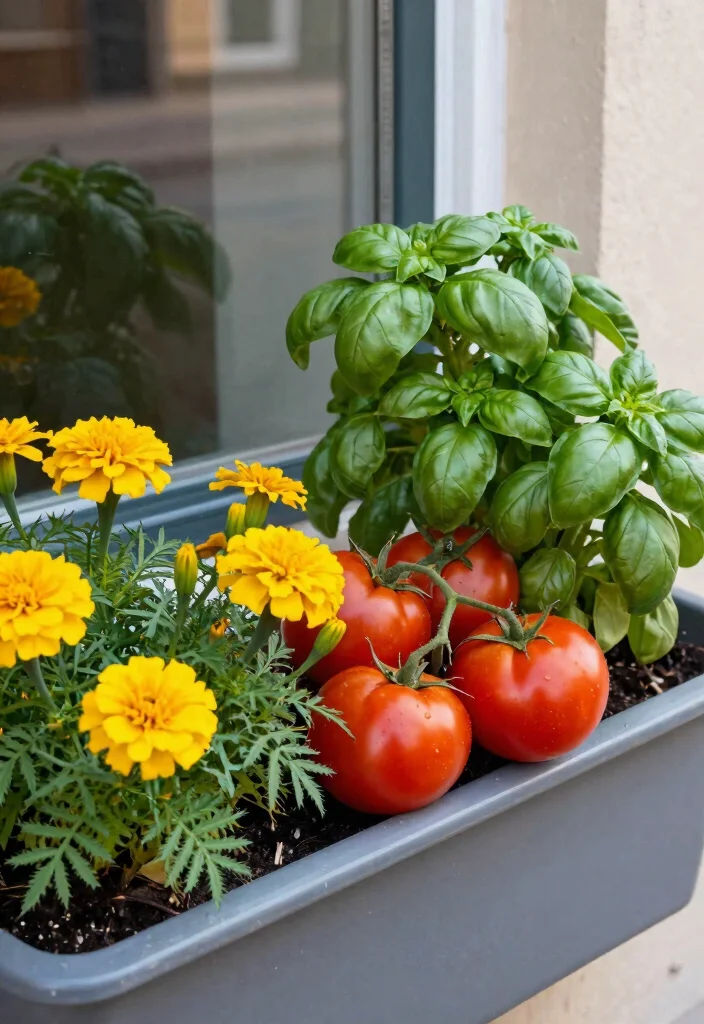
Companion planting can enhance your garden’s health and productivity. Certain plants thrive alongside each other, boosting growth and warding off pests. For instance, pairing tomatoes with basil not only benefits your kitchen but also enhances flavor and growth for both plants.
Explore these companion planting options:
– Use marigolds to deter pests while adding color.
– Plant chives near roses to repel aphids.
Trying out companion plants can increase yields and keep your garden fresh and vibrant!
Consider Companion Planting
Editor’s Choice


How To Choose The Right Window Box for Your Garden
Choosing the right window box is crucial for creating a successful urban garden. Your window box will not only hold your plants but also add charm to your living space. Here’s how to make the right choice.
1. Consider Sizes
When selecting a window box, think about the size of your windowsill and the space you have available. A common size for window boxes ranges from 24 to 36 inches in length. Make sure the box is not wider than your window and has enough depth for the plants you want to grow. If you plan to use it for herbs, a depth of at least 8-10 inches is ideal.
2. Choose the Right Material
Window boxes come in various materials, including wood, plastic, metal, and ceramic. Wooden boxes offer a classic look but may require more maintenance. Plastic boxes are lightweight and often less expensive. Metal boxes can provide a modern feel but may heat up in the sun. Choose a material that complements your home’s style and is durable for outdoor use.
3. Drainage Features
Proper drainage is essential for healthy plants. Ensure the window box has drainage holes to prevent water from pooling. If you’re using a box without drainage holes, consider adding a layer of gravel at the bottom. This allows excess water to escape and keeps plant roots from rotting.
4. Aesthetic Appeal
Your window box should enhance your home’s exterior. Look for designs, colors, and finishes that match your house style. For a pop of color, choose a vibrant box or one that is painted beautifully. You can also add decorative elements like liners or plant stands for added flair.
5. Weight Considerations
Keep in mind the weight of your window box when filled with soil and plants. A window box that’s too heavy can damage your window frame or sill. If you live on an upper floor, opt for lighter materials like plastic or fiberglass to avoid any issues.
6. Budget
Finally, establish your budget for the window box. Prices can vary significantly based on material and design. While it’s tempting to go for cheaper options, remember that investing in a quality box will pay off in longevity and aesthetics. Look for deals or discounts at local gardening stores or online.
Pro Tip: Check for warranties or guarantees when purchasing your window box. A good warranty can provide peace of mind about your investment and help you feel confident in your choice.
Choosing the right window box is the foundation of your window box gardening success. By considering size, material, drainage, aesthetics, weight, and budget, you can create a flourishing garden space that adds beauty to your urban home. Happy gardening!
7. Seasonal Changes
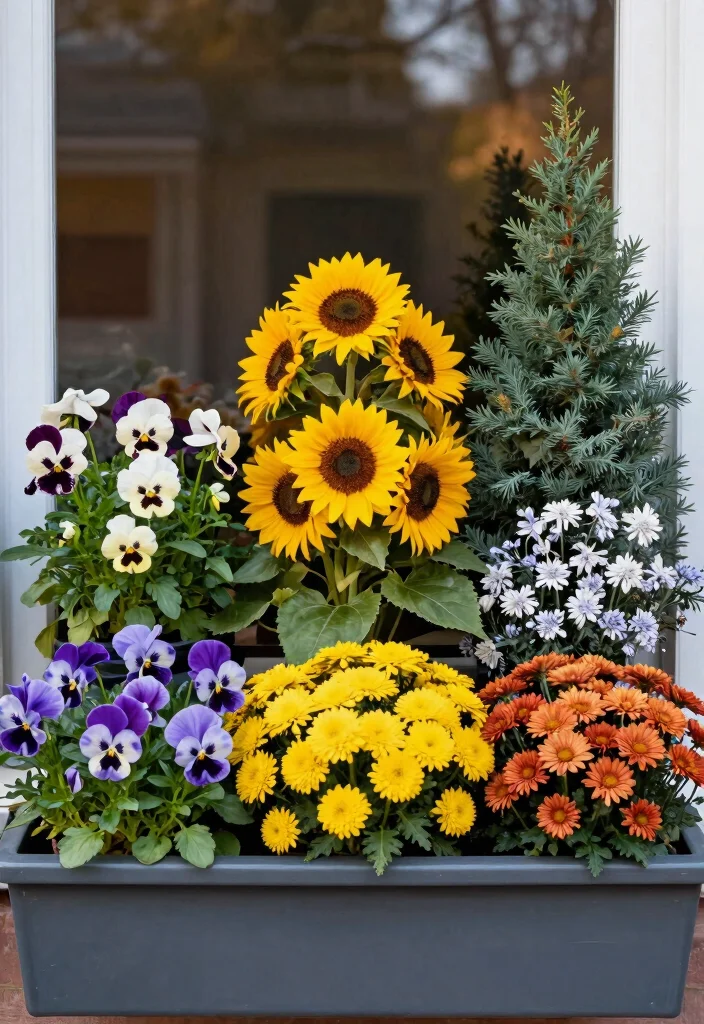
Adjusting your window box with the seasons keeps your gardening dynamic. In spring, plant bright pansies or snapdragons; summer is perfect for sunflowers or cucumbers. As autumn approaches, ornamental kale and chrysanthemums add charm.
Rotate your plants every few seasons to refresh your look and blooms. Be mindful of seasonal pests and adjust your selections accordingly.
Consider these seasonal planting ideas:
– Create a fall theme with pumpkins and autumn leaves.
– Embrace seasonal colors for a lively atmosphere.
Seasonal changes offer creativity and keep your garden lively year-round.
Seasonal Changes
Editor’s Choice


8. Manage Pests Naturally
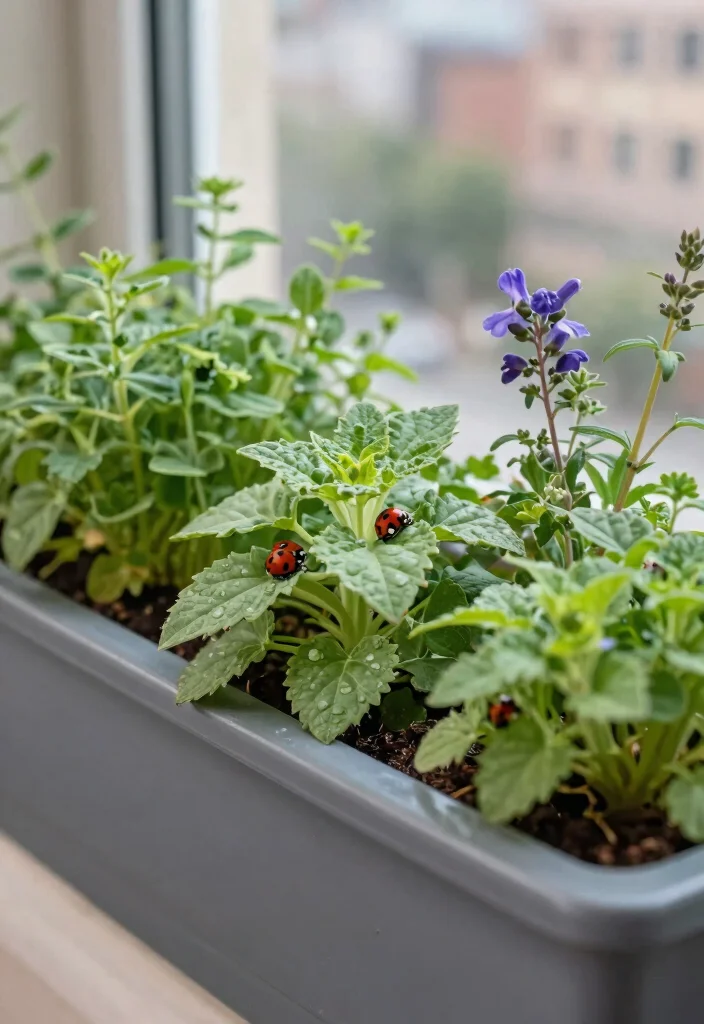
Urban gardening can attract pests, but natural solutions can effectively manage them. Instead of chemical pesticides, consider natural deterrents. A simple soap solution can keep aphids away, while diatomaceous earth works wonders against slugs.
Here’s how to keep pests in check:
– Introduce beneficial insects like ladybugs to control harmful pests.
– Regularly inspect your plants for signs of trouble and act swiftly.
Building a healthy ecosystem will not only protect your plants but also support local biodiversity, ensuring your garden thrives!
9. Utilize Vertical Space
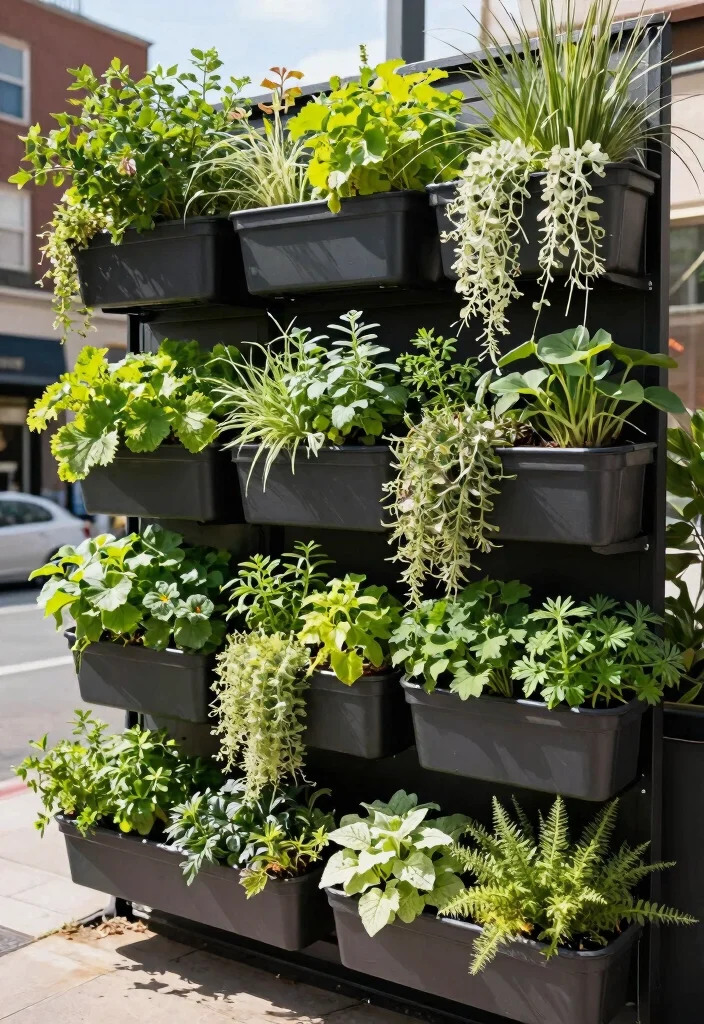
Maximizing vertical space is essential in small areas. Stack window boxes or use wall-mounted planters to create lush layers. This approach saves space and adds an appealing dimension to your garden.
Here are some ideas for vertical gardening:
– Use trellises for climbing plants like peas or pole beans.
– Incorporate hanging planters for cascading flowers or herbs.
Vertical gardens can turn your ordinary window into a vibrant, green retreat, making even the coziest spaces come alive.
10. Embrace Creativity & Style
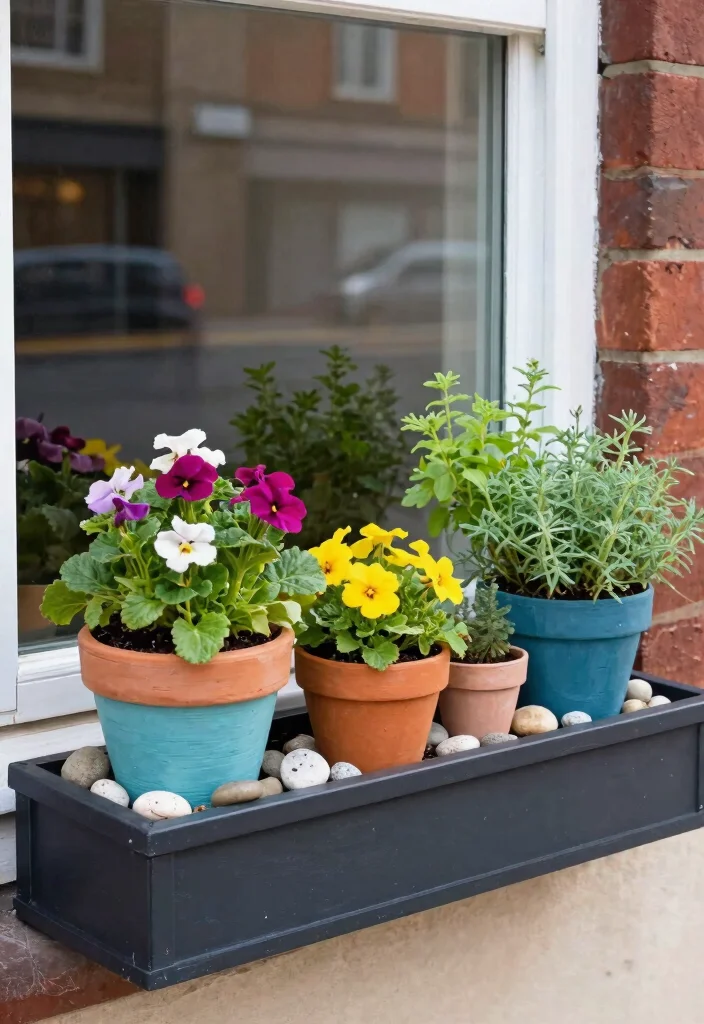
Your window boxes reflect your unique personality, so don’t hesitate to express your style! Consider painting containers or adding decorative touches like stones, ribbons, or waterproof decor to make your boxes stand out. Use a variety of colors and textures for an artistic flair.
Here are some creative tips:
– Mix and match different plant types for an eclectic vibe.
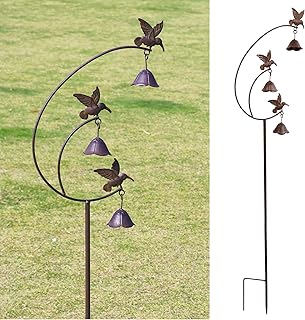
– Add whimsical items or decorative stakes for flair.
A touch of creativity can transform a simple window box into a stunning focal point that embodies your gardening spirit.
Embrace Creativity & Style
Editor’s Choice




Conclusion
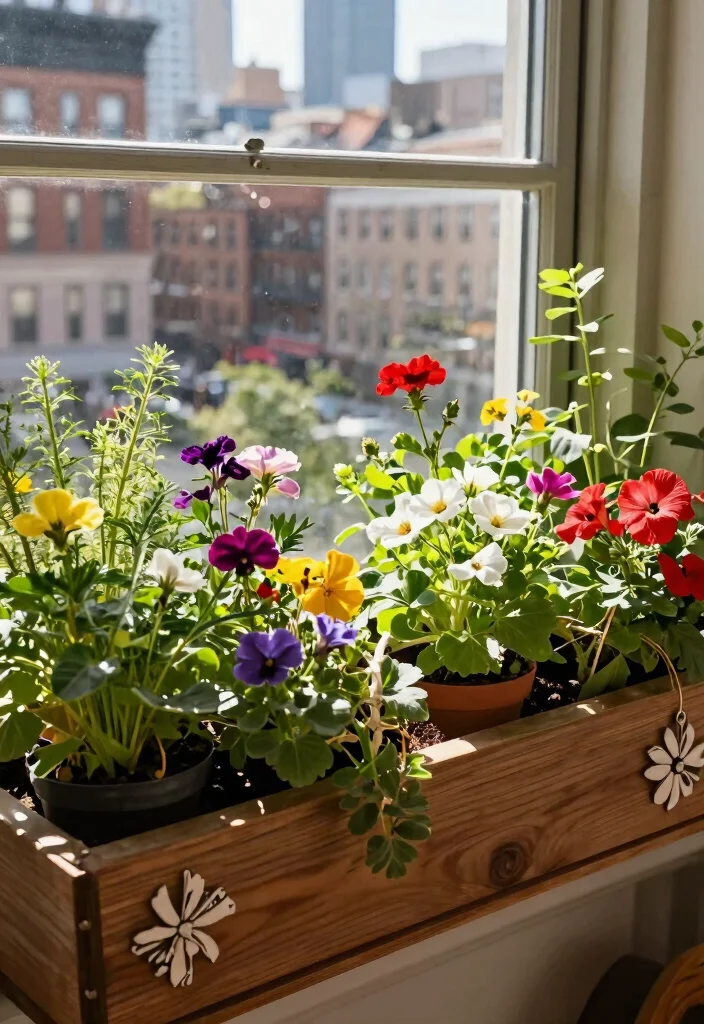
Mastering window box gardening is not just about plants; it’s about creating a lively, personal oasis in your urban environment.
With these essential strategies, your window boxes can flourish with color, flavor, and life. Embrace the journey of growing; each season brings new opportunities to experiment and expand your green thumb. Don’t forget to share your gardening journey and inspire others to join the fun!
Note: We aim to provide accurate product links, but some may occasionally expire or become unavailable. If this happens, please search directly on Amazon for the product or a suitable alternative.
This post contains Amazon affiliate links, meaning we may earn a small commission if you purchase through our links, at no extra cost to you.
Frequently Asked Questions
What are the essential window box gardening tips for small urban spaces?
For window box gardening tips that fit a small urban space, start with the right box size and secure mounting, then pick a light, well-draining potting mix.
Remember container gardening basics like drainage trays and moisture targets, and group plants with similar water needs to simplify care.
Create a simple watering plan so your boxes stay hydrated without waste, and choose small space gardening friendly varieties that bloom all season.
A little planning goes a long way toward a lush, city-friendly display.
Which plants are best for window boxes to maximize color year-round in city settings?
Mix compact flowering annuals for color with evergreen foliage for structure, so your window box looks great in every season.
For sun, try calibrachoa, petunias, geraniums, and bacopa; for shade, look at begonias, coleus, and ferns.
Use flower box ideas that suit your light, and plan a simple succession planting to keep color ongoing.
Pair window box gardening tips with color-coordinated palettes and proper spacing so plants don’t compete for light.
With a little planning, your box becomes a vibrant year‑round feature for urban spaces.
What herbs in window boxes are easiest to grow and how should I care for them?
Herbs in window boxes are a breeze for beginners. Start with basil, thyme, oregano, chives, parsley, and cilantro, and consider a separate mint section because mint can spread.
For best results, give them full sun if possible, use a well-draining potting mix, water consistently, and trim regularly to encourage bushy growth.
Harvest often to keep plants productive, and refresh with a light feeding every few weeks.
With herbs in window boxes, you’ll have fresh flavors ready for whatever you cook.
How do I ensure good drainage and soil health in window box gardening?
Start with a high-quality potting mix designed for containers and add perlite or coarse sand to improve drainage.
Make sure every box has ample drainage holes and place a drip tray or saucer to protect your surfaces.
Layer mulch on the soil surface and water deeply but infrequently to encourage root growth.
Regularly refresh the topsoil and monitor for root crowding, using container gardening principles to keep plants thriving.
What maintenance routine helps window box gardens thrive through seasons?
Create a simple seasonal maintenance routine to keep your window boxes thriving. Check daily in hot weather for watering needs, deadhead spent blooms, and trim back leggy growth to encourage fullness.
Fertilize with a balanced, water-soluble mix every 4–6 weeks during the growing season.
In colder months, protect delicate plants or bring boxes indoors if possible, and switch to hardy varieties for urban gardening tips.
With a consistent routine, your window box garden will stay healthy and colorful all season long.