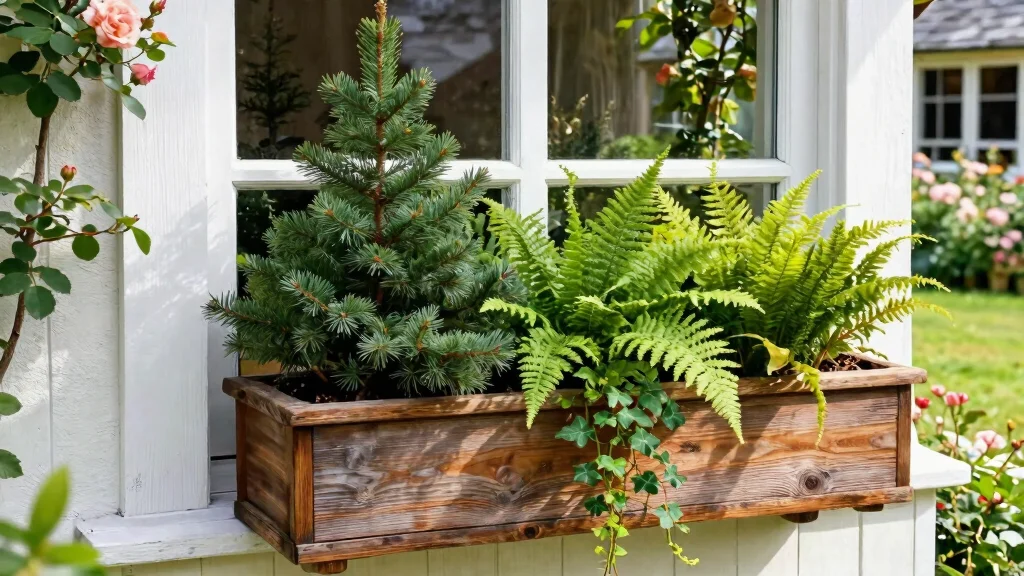
The chill in the air and the vibrant colors of nature have me dreaming of beautiful window boxes that bring life to my small space, no matter the season. When it comes to gardening, there’s something truly special about evergreen window box ideas. They offer a splash of greenery and charm, making your home feel inviting and warm throughout the year. Whether you’re a seasoned gardener or just starting out, these ideas are perfect for anyone looking to enhance their outdoor decor.
If you love container gardening, you’ll find plenty to appreciate in this post. It’s designed for those who want easy ways to create stunning window boxes that stand out. You’ll discover creative arrangements that focus on evergreens, enabling you to maintain a beautiful display without the fuss of constant replanting. I pulled together seven lush window box ideas that are visually appealing, practical, and just right for brightening up your space every single month.
Get ready to transform your window boxes! Each idea is packed with inspiration and practical tips to help you achieve a year-round garden that suits your style and space. Whether it’s classic evergreens or edible plants, you’ll find options that make your gardening experience rewarding and enjoyable.
Key Takeaways
– Diverse Plant Options: Explore a variety of evergreen plants that thrive in window boxes, ensuring your garden looks great year-round.
– Mix Textures: Combine different plant textures for visual interest, making your window box a focal point in your outdoor decor.
– Edible Choices: Consider growing edible evergreens to add a unique twist while enjoying fresh herbs and greens.
– Seasonal Accents: Incorporate seasonal decor elements to keep your window boxes fresh and engaging through every season.
– Space-Saving Techniques: Utilize vertical layering in your arrangements to maximize space and create depth in small areas.
1. Classic Evergreens with Seasonal Accents
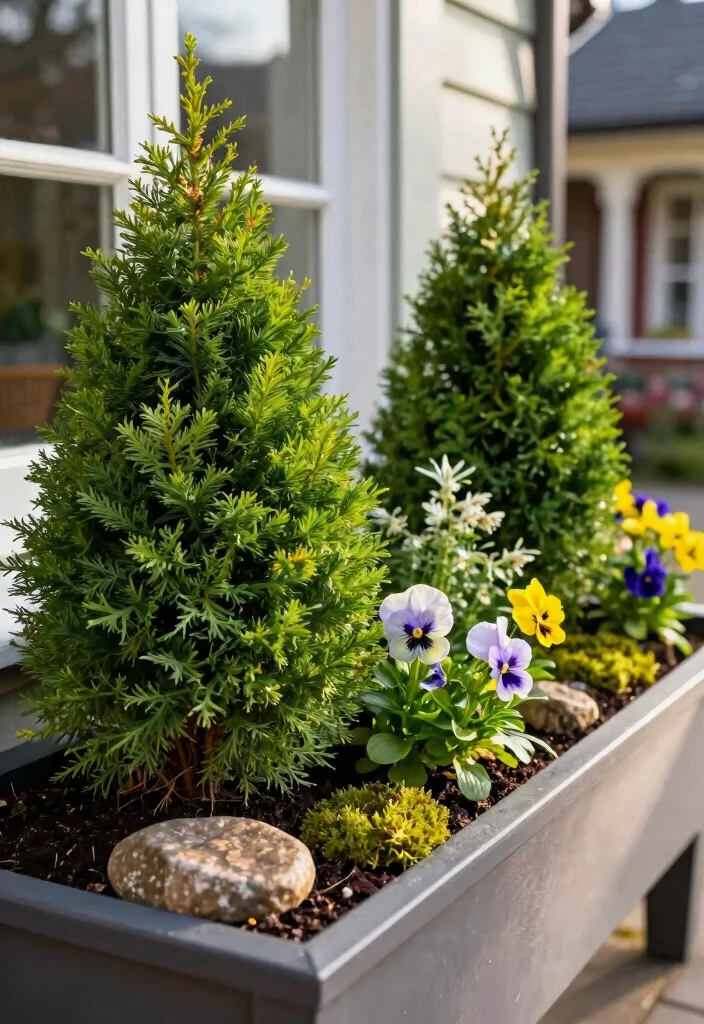
If you’re looking for a timeless way to enhance your window boxes, classic evergreens like boxwoods and junipers are the perfect choice. They provide a rich, green backdrop that remains beautiful throughout the year. Add seasonal accents like vibrant red berries during the holidays or delicate white twinkle lights for a magical touch in winter. When spring arrives, swap in cheerful pansies or daffodils to refresh the display and bring a burst of color.
To create a stunning arrangement, start by selecting 2-3 varieties of evergreens for varied textures. Layer these with seasonal blooms that match your personal style, ensuring a cohesive color palette throughout. Decorative stones or mulch can fill gaps and retain moisture, keeping your plants healthy.
Key steps to enhance your design:
– Choose a mix of evergreen varieties for depth.
– Layer seasonal flowers for a fresh look.
– Maintain a consistent color scheme for harmony.
– Incorporate decorative stones to retain moisture.
This arrangement not only elevates your window box’s beauty but also adds structure, making it a captivating feature in all seasons.
Classic Evergreens with Seasonal Accents
Editor’s Choice




Ongoing Maintenance & Care Guide
Maintenance Schedule:
Daily/Weekly Tasks:
– Watering: Check the soil moisture regularly. During hot months, your window box may need watering every few days. This should take about 10-15 minutes.
– Pruning: Trim any dead or yellowing leaves. This keeps your plants healthy and encourages new growth. Expect to spend around 5-10 minutes.
– Fertilizing: Apply a balanced, slow-release fertilizer every 4-6 weeks. This keeps your plants nourished. Each application takes about 5 minutes.
Monthly/Seasonal Tasks:
– Soil Check: Every month, check the soil for compaction. If it feels hard, replace the top couple of inches with fresh potting soil. Allocate around 20-30 minutes for this task.
– Pest Inspection: Look for any signs of pests like aphids or spider mites on your plants. Catching these early is key. This should take about 15 minutes.
– Seasonal Plant Rotation: Change out seasonal plants as seasons change. For example, swap cold-weather plants for summer blooms. Plan for 30-60 minutes depending on the number of plants you have.
Maintenance Summary Table:
| Task | Frequency | Difficulty | Time Needed |
|———————–|—————-|—————–|————–|
| Watering | Daily/Weekly | Easy | 10-15 mins |
| Pruning | Weekly | Easy | 5-10 mins |
| Fertilizing | Monthly | Easy | 5 mins |
| Soil Check | Monthly | Moderate | 20-30 mins |
| Pest Inspection | Monthly | Easy | 15 mins |
| Seasonal Plant Rotation| Seasonal | Moderate | 30-60 mins |
Common Issues to Watch For:
⚠️ Yellowing Leaves: If you notice yellow leaves, this may indicate overwatering or nutrient deficiencies. Check the soil moisture and adjust your watering schedule accordingly.
⚠️ Wilting Plants: Wilting can signal underwatering or root rot. Feel the soil; if it’s too dry, give it a good soak. If it’s soggy, consider repotting to dry out the roots.
⚠️ Pest Infestation: Look for sticky residue or webbing. If pests are present, treat them promptly with insecticidal soap to prevent spreading.
⚠️ Fungus Growth: White or fuzzy patches on the soil surface signify mold or fungus. This often occurs with overwatering. Reduce your watering frequency and improve airflow around the box.
⚠️ Plant Overcrowding: If plants are fighting for space, they may all suffer. Consider thinning out some plants to allow others to thrive.
Care Tips:
💡 Choose the Right Plants: Select hardy evergreens and seasonal plants that work well together. This makes care easier and ensures year-round beauty.
💡 Use Quality Soil: Invest in good potting soil that allows for drainage. This prevents root rot and promotes healthy growth.
💡 Fertilize Smartly: Use a slow-release fertilizer designed for your specific plants. This reduces the need for frequent feeding while keeping plants nourished.
💡 Rotate Plants Seasonally: Change out plants to keep your window box fresh. This not only looks great but also helps prevent disease build-up.
💡 Optimize Sunlight Exposure: Make sure your window box gets enough sun for the plants you choose. If some need more light than others, consider repositioning them for balance.
By following this comprehensive maintenance guide, you can ensure your evergreen window box remains vibrant and healthy throughout the year. Regular attention and care will reward you with lush, beautiful plants that enhance your outdoor space.
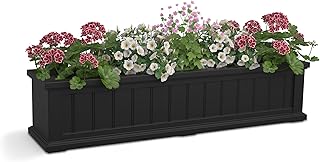
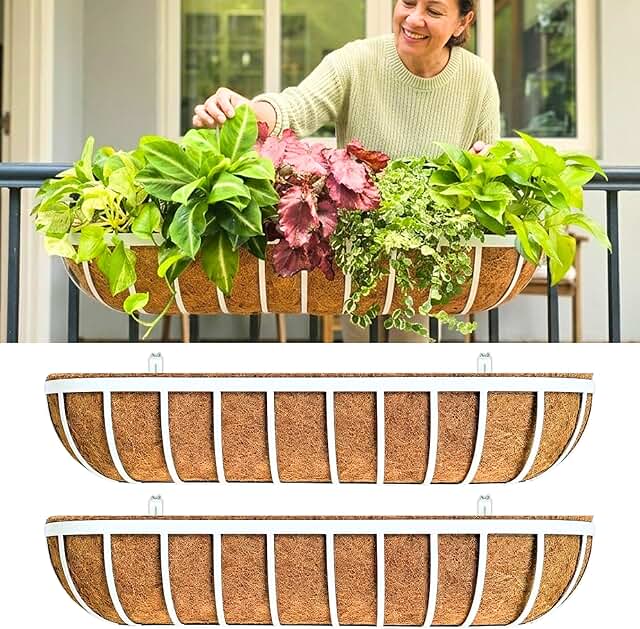
2. Mixed Textures for Visual Interest
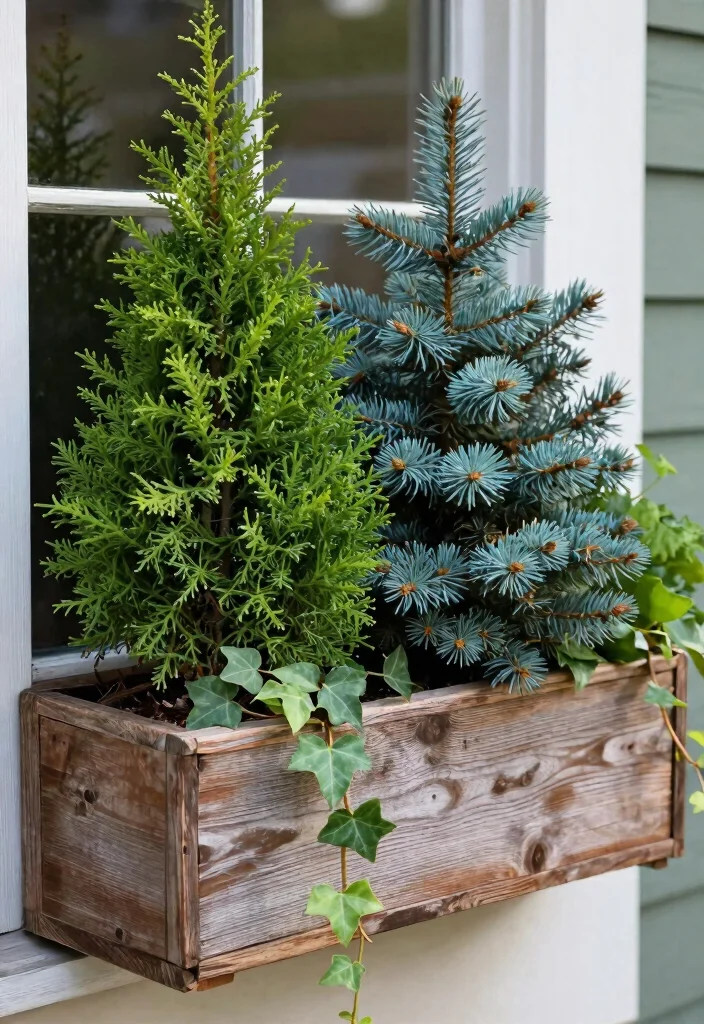
Creating a stunning visual narrative in your window box is all about mixing textures. Combine evergreens like the soft foliage of false cypress with the striking spiky leaves of blue spruce for a captivating contrast. This not only catches the eye but also adds depth to your design. To enhance the look, introduce trailing plants like ivy or creeping thyme for a graceful cascading effect.
When arranging, start with taller plants at the back and layer shorter plants in front to create dimension. Incorporate a variety of leaf shapes and colors for a dynamic display. Consider adding seasonal elements like vibrant flowers or ornamental grasses during summer for continual interest.
Essential tips for a textured arrangement:
– Position taller plants at the back for height.
– Use diverse leaf shapes to add intrigue.
– Include seasonal blooms for ongoing visual appeal.
This approach caters to creative gardeners who want their window box to evolve into an ever-changing masterpiece.
Fun fact: In evergreen window box ideas, using 3 texture types—soft foliage, spiky leaves, and trailing vines—creates instant depth. Start tall at the back and layer forward for year-round visual interest.
Mixed Textures for Visual Interest
Editor’s Choice



3. Edible Evergreens for a Culinary Touch
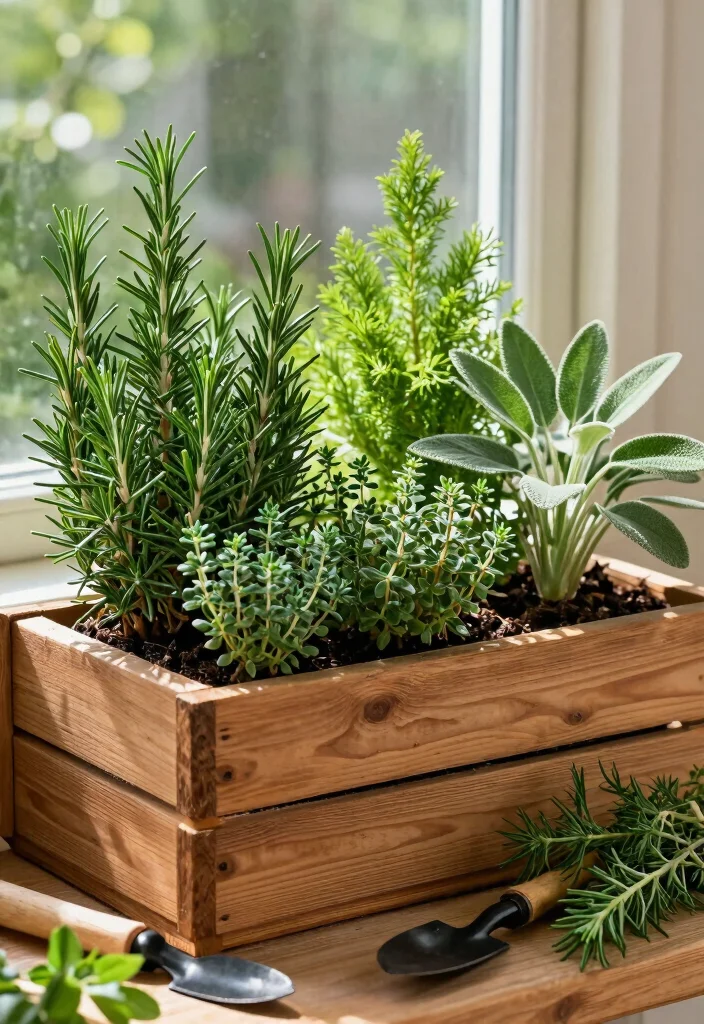
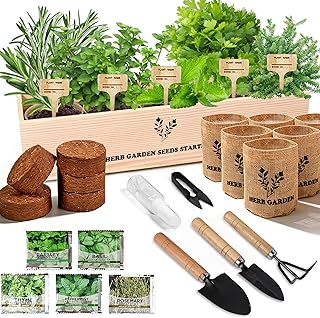
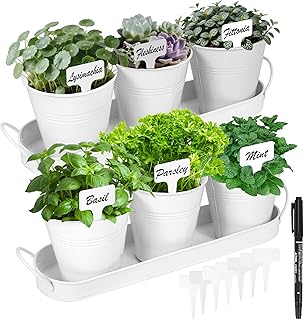
Why not spice up your window box with some edible evergreens? Plants like rosemary, thyme, and sage not only add culinary flair but also enhance your outdoor decor with their unique beauty. These herbs thrive in containers, allowing you to easily snip fresh ingredients for your meals. Consider blending these edible plants with ornamental evergreens for a display that’s both practical and stunning.
For a flavorful experience, pair these herbs with traditional evergreens for aromatic delight. The darker green of rosemary contrasts beautifully with the silver leaves of sage, creating visual interest. This mix not only offers culinary benefits but also adds a sensory layer to your gardening experience.
Cooking tips to maximize flavor:
– Combine herbs with standard evergreens for fragrance.
– Use contrasting colors for visual appeal.
– Enjoy the mix of aromas while gardening.
This combination is perfect for home chefs seeking both beauty and functionality in their gardening space.
Fun fact: edible evergreens like rosemary, thyme, and sage thrive in containers, turning a small evergreen window box into a year-round pantry and fragrance hub. Snip fresh herbs for meals, and enjoy a stunning, practical display all season.
Edible Evergreens for a Culinary Touch
Editor’s Choice



4. Seasonal Focal Points
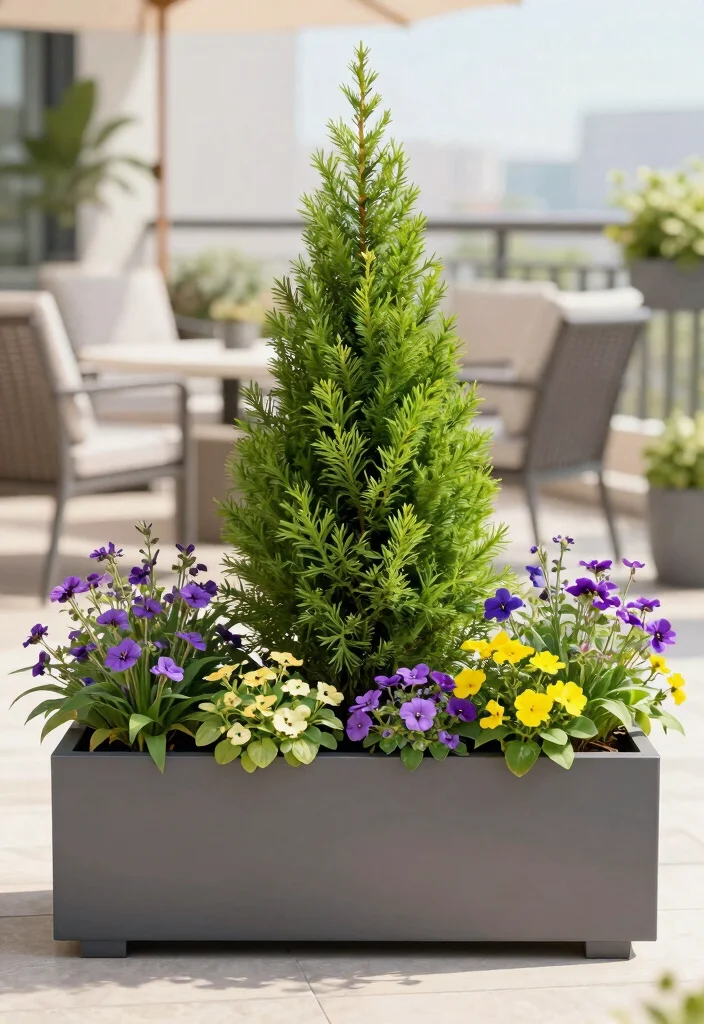
Establishing a focal point in your window box can anchor your entire design. Consider incorporating an eye-catching centerpiece, such as a dwarf spruce or an artistic arrangement of twigs. This will serve as a strong visual anchor, allowing surrounding plants to complement it beautifully. Bring dimensions to your arrangement by adding shorter perennial flowers or seasonal accent plants that bloom throughout the year.
For a compelling focal point, select a centerpiece that stands out against the surrounding greenery. Varying plant heights will create depth and visual interest, while swapping out smaller plants with the changing seasons will keep your display fresh.
Key tips for creating a striking focal point:
– Choose a centerpiece that contrasts with other plants.
– Vary heights for added depth.
– Update smaller plants seasonally for a refreshed look.
Incorporating focal points brings a professional touch to your window box, making it a standout feature in any season.
Seasonal Focal Points
Editor’s Choice

Picea glauca ‘Conica’ (Dwarf Alberta Spruce) Evergreen, #2 – Size Container


5. Vertical Layering for Small Spaces
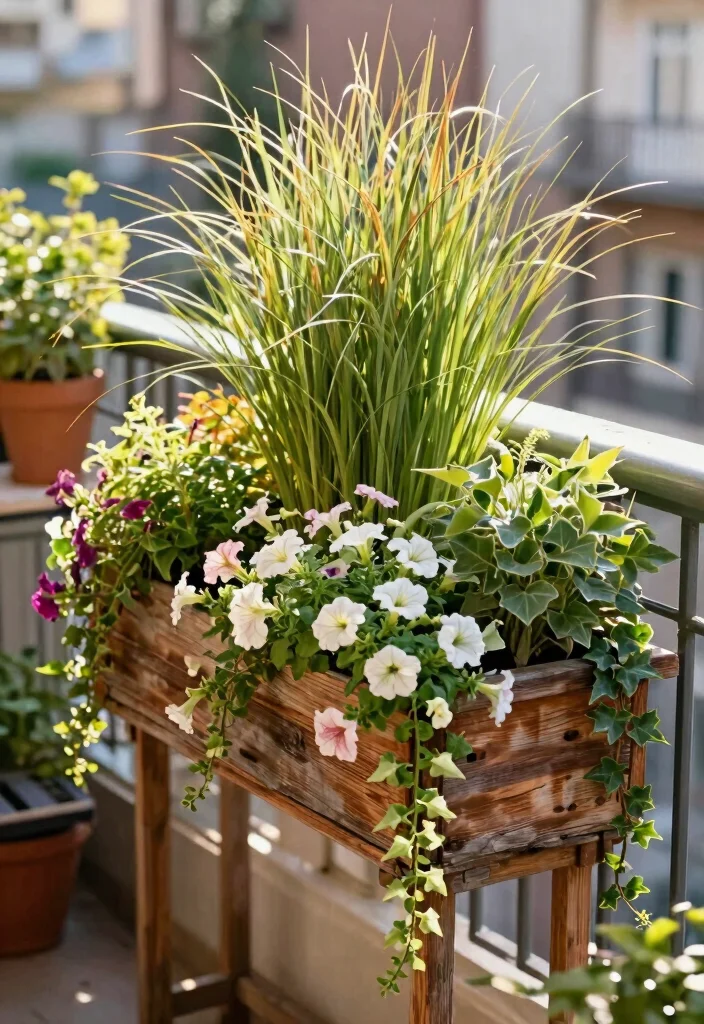
In compact areas, maximizing vertical space can transform your window box into a lush garden paradise. Position taller plants like ornamental grasses at the back, while shorter, trailing plants spill over the front edge. This technique draws the eye upwards, creating a multi-dimensional look that utilizes your limited space efficiently. Pair evergreens with flowering plants that share similar sunlight and watering needs for a harmonious arrangement.
For effective vertical layering, select plants of varying heights to achieve a dramatic effect. Combining evergreens with seasonal blooms ensures year-round interest. Consider using trellises or supports for climbing plants to enhance height further.
Essential tips for maximizing vertical space:
– Choose plants of different heights for drama.
– Mix evergreens with flowering varieties for color.
– Use supports for climbing plants to add elevation.
This setup is ideal for urban dwellers wanting to green their spaces without consuming too much room.
Did you know vertical layering can boost the impact of evergreen window box ideas by 40% in small spaces? Place taller evergreens at the back, trailing flowering plants at the front, and match sun and water needs for a lush, multi-dimensional display.
Vertical Layering for Small Spaces
Editor’s Choice


6. Colorful Coleus and Companions
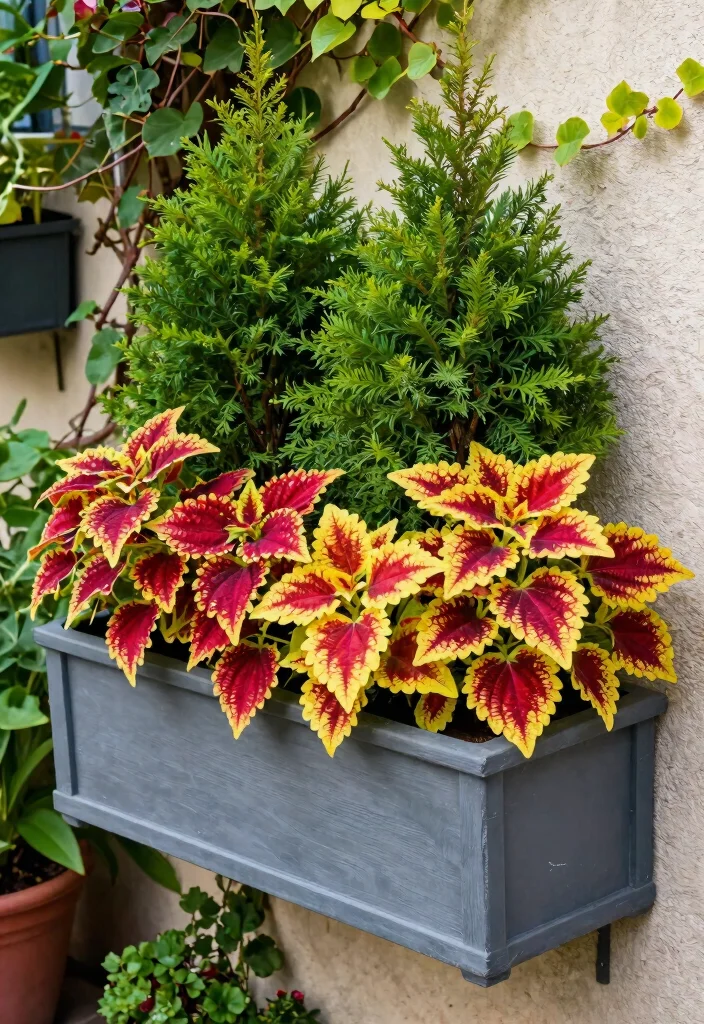
Coleus plants are an excellent choice for infusing a pop of color into your evergreen arrangements. This annual thrives alongside evergreens, providing vibrant hues from spring until frost. With various colors available, coleus can be paired with darker greens to create striking contrasts, allowing for a beautiful seasonal transition.
To maximize visual impact, combine coleus with complementary evergreen plants, ensuring a lively display. Regular pruning encourages bushiness and fullness in your coleus, making the arrangement even more appealing. Consider alternating coleus colors for an eye-catching, vibrant effect.
Companion planting tips:
– Use coleus with contrasting evergreens for impact.
– Prune regularly to maintain fullness.
– Alternate colors for a dynamic look.
By selecting coleus as a companion plant, you can create a captivating window box that evolves with the seasons while remaining visually stunning.
7. Whimsical Touches with Garden Art
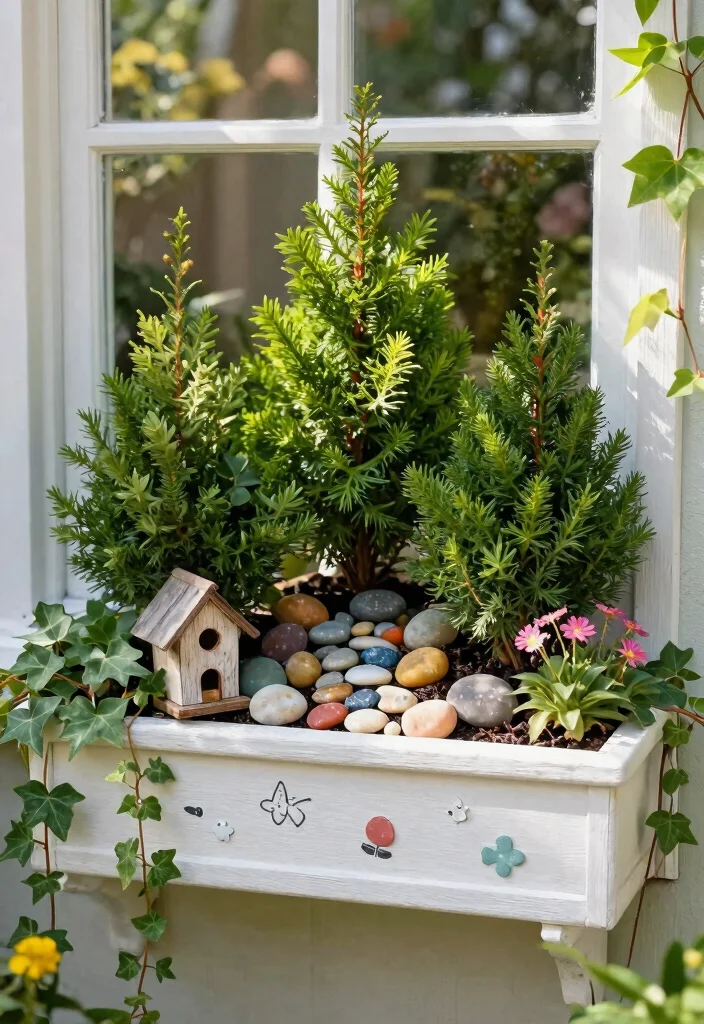
Add personality to your window box with whimsical garden art! Small sculptures, decorative stones, or playful garden stakes can enhance your evergreen display and bring charm to your space. These fun elements not only provide visual interest but also create a unique and inviting atmosphere. Choose colors and styles that complement your greenery or opt for bold contrasts to achieve an eclectic look.
For creative ideas, consider using colorful stones to craft a mini-pathway among the plants or incorporating birdhouses and fairy figurines for added charm. You can also switch out the decor seasonally for a fresh appearance throughout the year.
Creative touches to consider:
– Use colorful stones to create pathways.
– Incorporate whimsical figurines for charm.
– Change decor seasonally for variety.
Combining evergreens with these playful elements creates not just a window box, but a delightful miniature garden that brings joy all year round.
Conclusion
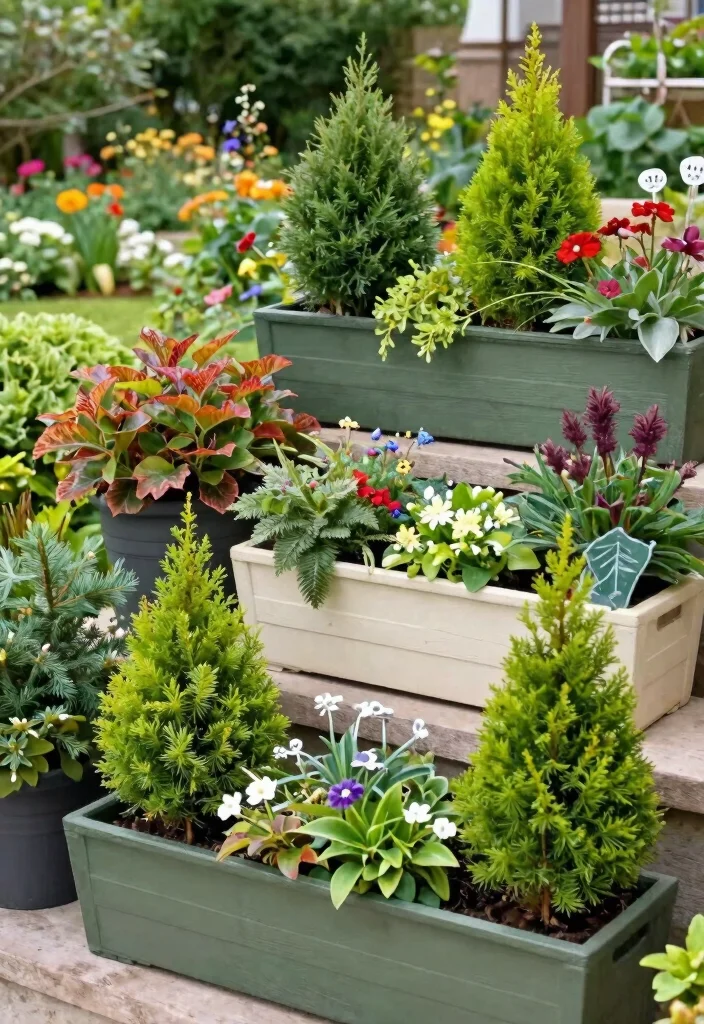
Evergreen window boxes are a fantastic way to add charm and color to your outdoor spaces throughout the year. By mixing textures, incorporating edible plants, and adding whimsical decor, you can create a beautiful display that reflects your personality.
Experimenting with these evergreen window box ideas will not only enhance your home’s curb appeal but also allow for a little creativity in your gardening journey. Embrace the beauty of year-round gardening and let your window boxes shine!
Note: We aim to provide accurate product links, but some may occasionally expire or become unavailable. If this happens, please search directly on Amazon for the product or a suitable alternative.
This post contains Amazon affiliate links, meaning we may earn a small commission if you purchase through our links, at no extra cost to you.
Frequently Asked Questions
What are evergreen window box ideas that keep a container garden lush all year?
To create evergreen window box ideas that stay lush all year, start with a solid evergreen backbone like boxwood, dwarf conifers, or euonymus that stays green in every season. Then layer in window box plants that give seasonal color and texture, swapping in cool-season blooms in winter and bright annuals in summer while keeping the evergreen base. Use a well-draining soil mix and a container with good drainage, add a slow-release fertilizer at planting, and water consistently. In the off-seasons, extend life with mulch and a light winter protection plan. For outdoor decor ideas, try trailing evergreens, dried grasses, pinecones, or lightweight ornaments to complement the evergreen window box ideas. Create seasonal plant arrangements that rotate around the evergreen core.
How do I choose window box plants that survive both winter and summer in small spaces?
Choosing window box plants that survive both winter and summer in small spaces starts with the basics: know your site’s sun exposure, then pick an evergreen backbone (boxwood, dwarf conifers, or euonymus) to provide year‑round structure. Pair it with compact, seasonally appropriate accents that you can swap as needed. For best results, plan 2–3 color and texture palettes and keep plant size in scale with a narrow box. In practice: in full sun, try evergreen fillers with trailing herbs or calibrachoa; in shade, pair boxwood with heuchera and ferns; in winter, add violas or pansies as seasonals. By balancing evergreen structure with seasonal plant arrangements, your box remains lush in every season.
What container gardening tips help evergreen window boxes stay healthy year round?
container gardening tips to keep evergreen window boxes healthy year round include: choosing a high-quality, well‑draining potting mix (add perlite or coconut coir for drainage); ensuring the box has drainage holes and, if possible, using a liner to protect the wood; watering deeply and evenly, and adapting watering to the season; applying a slow-release fertilizer at planting and light monthly feeding in growing months; mulching lightly on top to conserve moisture; and regularly checking for pests. For extra reliability, consider a self‑watering insert or irrigation system as part of your container gardening tips toolkit.
How can I use outdoor decor ideas and seasonal plant arrangements to maximize curb appeal?
Boost curb appeal with cohesive outdoor decor ideas and smart seasonal plant arrangements. Design with a unified color palette that complements your home, build height with taller evergreens at the back, and use cascading window box plants in front for depth. Mix textures—glossy leaves, soft grasses, and reflective accents—to keep interest through all seasons. In winter, add evergreen stems, berries, and dried elements; in spring and summer, rotate in seasonal blooms that echo your theme. A thoughtful combination of decor and plant rhythm makes your evergreen window boxes look intentional year after year.
How do I maintain evergreen window boxes throughout the year without harming the plants?
Keep evergreen window boxes thriving with a simple year‑round maintenance routine: prune lightly to shape and remove dead growth after each season; monitor for pests and diseases; ensure even soil moisture in warm months and allow for slight drying in cooler months; feed with a balanced fertilizer in spring and again mid‑season to support growth; add a layer of mulch to protect roots in winter; and protect delicate varieties from frost with covers if needed. Following these container gardening tips helps your boxes stay vibrant and healthy all year.